
Biting Pest Control · By Kai Horner, owner of Kekoa Pest Control · Published · Updated
Dorms and student rentals carry a real bed bug risk for one dull reason: people and their bedding move in and out all the time. CDC says the bugs spread by riding in the seams and folds of luggage, bedding, clothing and furniture, and that people who share sleeping spaces face a higher risk. That describes most of student life. If this is new to you, our biting pest control page explains the wider group of pests that feed on people and pets.
None of this points to a dirty room. EPA lists "bed bugs live only in dirty places" as a myth. A spotless room with a borrowed couch can pick them up as easily as a messy one.
How to avoid bed bugs in college, stage by stage
Work through this list at each point where belongings change location. Each step takes minutes.
| When | What to do | Why it works |
|---|---|---|
| Before move-in | Pack in plastic bins, not cardboard. Buy a light-colored mattress cover that zips shut. | Bins seal. A light cover removes seams and makes dark spots easy to see. |
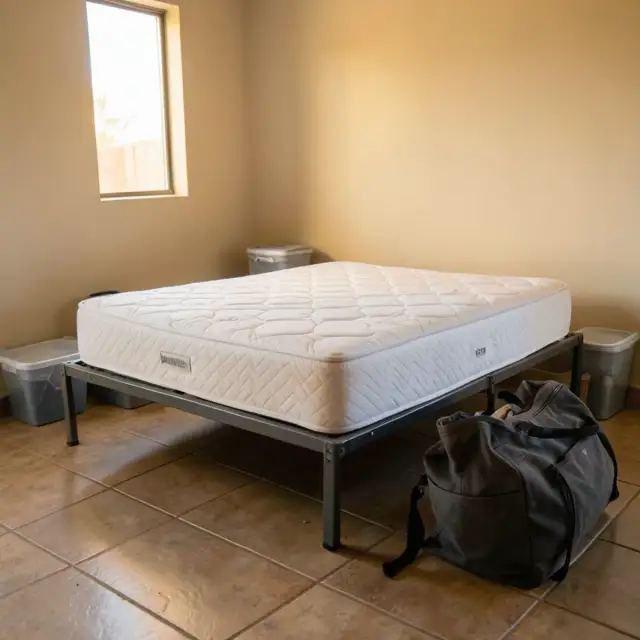
| Move-in day | Leave bags in the hallway or on a hard floor. Check mattress seams, headboard and frame with a flashlight. | Bed bugs stay close to the bed, usually within about 8 feet, according to CDC. |
| During the semester | Keep clutter down. Keep your bag off other people's beds and couches. | EPA says clutter gives bed bugs hiding spots and a ride home. |
| Shared laundry | Carry clothes in a plastic bag. Move them straight from dryer to bag and fold at home. | Bugs can move between loads and folding tables in a shared laundry room. |
| Trips and hotels | Use the luggage rack. Check the mattress and headboard before you sleep. | EPA's travel advice targets the same places that bugs hide at home. |
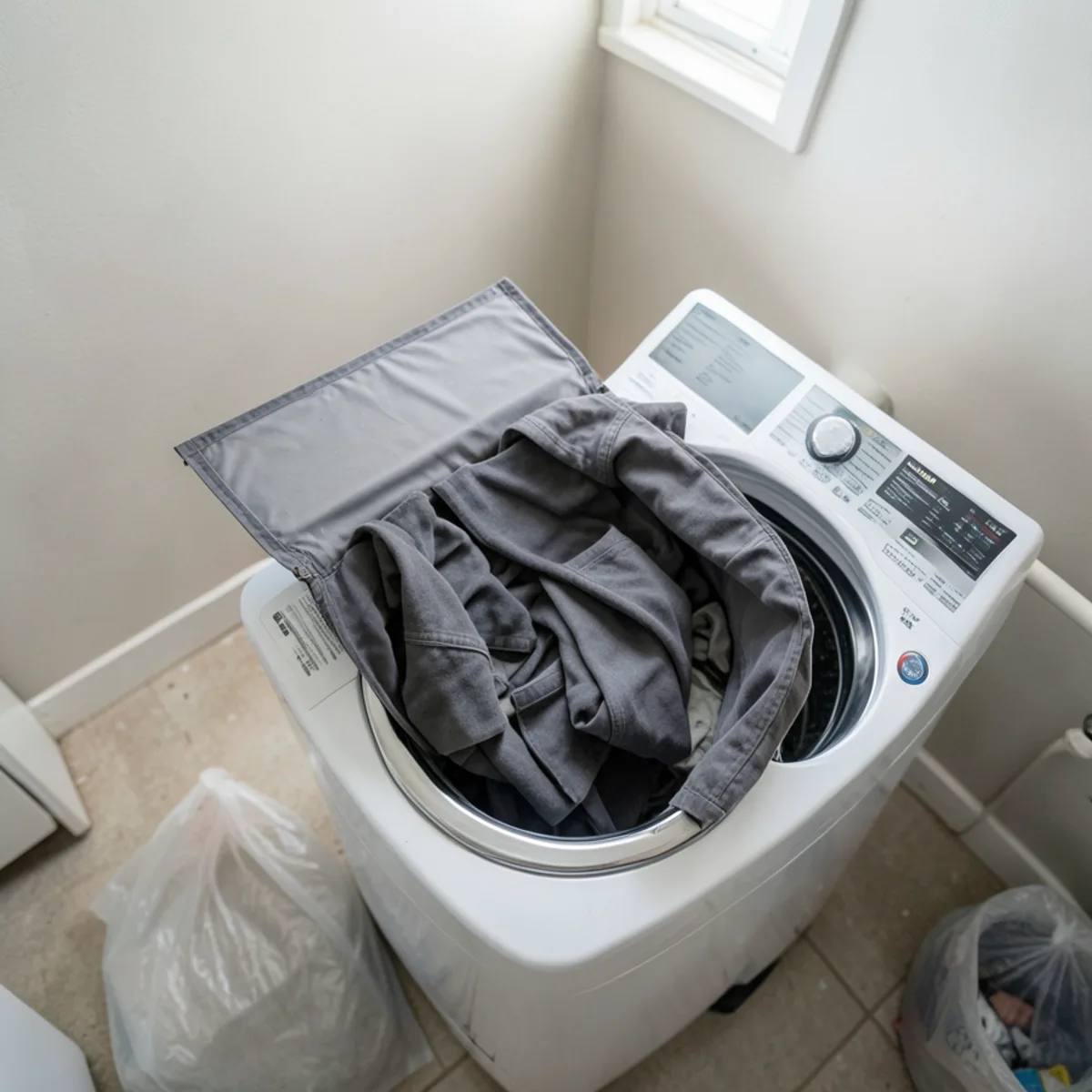
| Coming home on break | Unpack straight into the washer. Finish with a hot dryer. Store the suitcase away from beds. | EPA says washing alone usually will not kill bed bugs, but high dryer heat will. |
What you are looking for
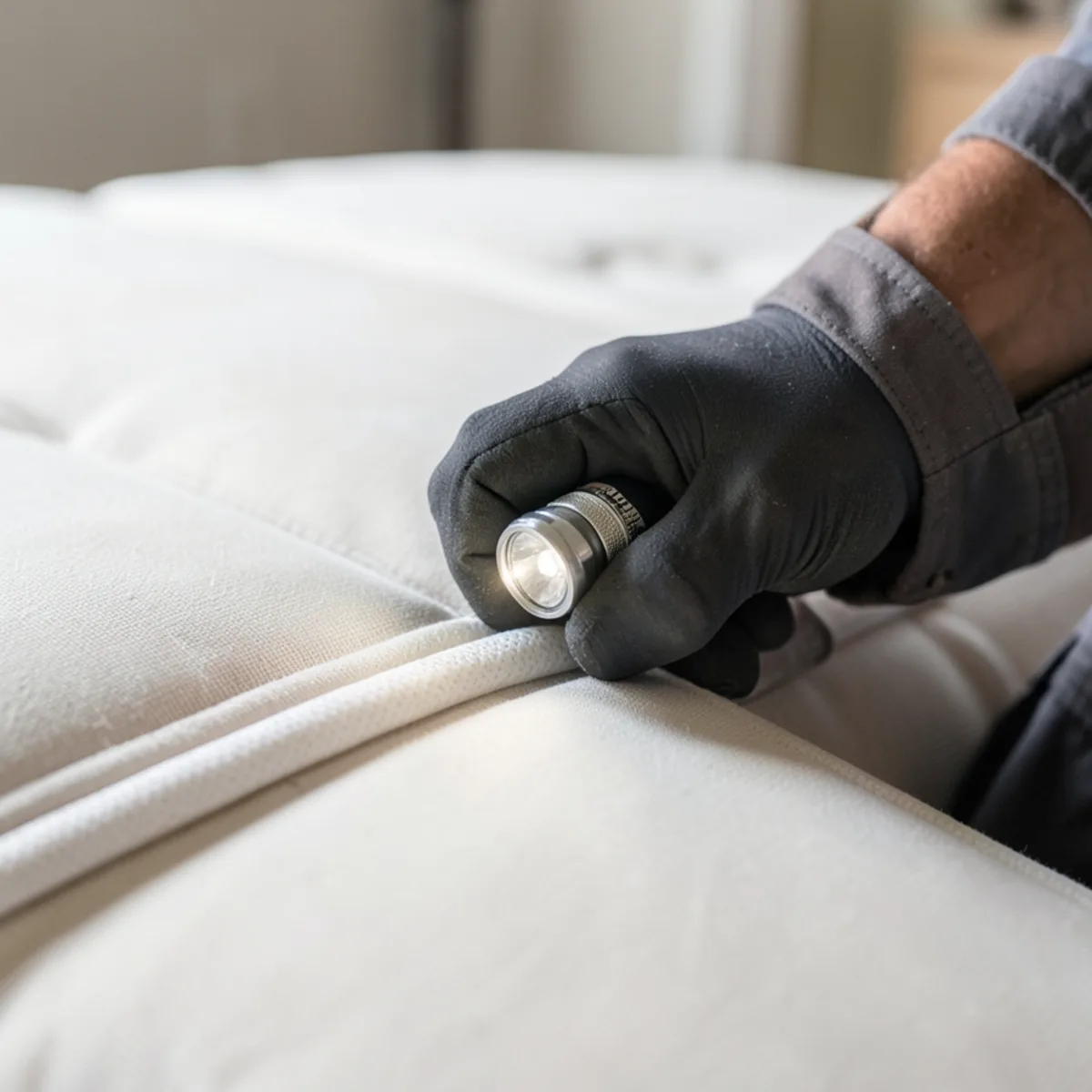
Live bugs are flat, brown and about apple-seed size. More often you find their traces: small dark spots along piping, pale shed skins, and tiny rust-colored smears on sheets. Check the seams, the tag, the corners of the box spring and the joints of the frame. You do not need special tools. A phone flashlight does the job. CDC adds a sweet, musty odor to the list of signs.
Bites make a poor early warning. CDC says marks can take up to 14 days to appear in some people, and some people show nothing at all. A roommate with bites and a roommate without can share the same bed bugs. CDC also says they usually stay within 8 feet of where people sleep, though they can travel more than 100 feet in a night, which is how a shared hall gets involved.
Secondhand furniture around campus
A free couch at the end of the semester is the classic way in. EPA's advice is short: inspect used furniture, beds and couches before they come through the door. In practice that means doing the check outside.
- Pull every cushion and look along the creases and zippers.
- Turn the piece over and check under any dust cloth, along staples and at leg joints.
- Skip used mattresses outright. There are too many seams to clear with confidence.
- Leave anything with dark spotting on the curb, even if the price is zero.
- Ask where it came from. "My roommate moved out" tells you less than you think.

Summer turnover in the apartments around Apache Boulevard and University Drive puts a lot of furniture on the curb in a few weeks. Treat all of it as unknown.
Found something? What happens next depends on where you live
In a residence hall: tell hall staff the same day. Do not spray, and do not move your things to a friend's room. That is how one room becomes three. EPA's advice for shared buildings is that the people who run the building lead the response, and that a single bed bug is not an infestation. Staff need to find out which one they are dealing with.
In an off-campus apartment: Arizona law sets out a few specific duties. Under A.R.S. 33-1319, a tenant who knows of bedbugs must notify the landlord in writing or electronically, and must not knowingly move infested items in. The landlord must provide educational materials and may not rent a unit that it knows is infested right now. Single-family rentals fall outside that section. The Arizona rental pest bill guide covers the rest. It is general information, not legal advice.
Back home with a parent: stop the spread first. Bag the clothes, dry them on high heat, and keep the suitcase in the garage. Then check the bed the student slept in.
For the bites themselves, CDC says they usually need no medical treatment and that avoiding scratching helps prevent infection. Allergic reactions are possible, and CDC says anyone who suspects one should see a healthcare provider.
What to do with things that will not go in a dryer
Students own a lot of things a dryer would ruin. EPA's do-it-yourself guidance covers most of them.
| Item | EPA's option | The catch |
|---|---|---|
| Clothes, bedding, soft bags | Dryer on high heat | Washing alone usually will not do it |
| Items that can freeze | Sealed bag at 0 degrees for three days | Many home freezers are not cold enough, so check with a thermometer |
| Things you can live without for now | Sealed bag or container, for up to a year | You lose use of it, and it must stay sealed |
| Mattress and box spring | Sealed protective cover | Any tear lets bugs out |
Skip the dorm hacks. EPA warns that rubbing alcohol, kerosene and gasoline can harm you and can ignite, and that foggers do not reach the cracks where bugs hide. EPA also says to check every 7 days and keep looking for a year after finishing, so an all-clear in December is not the end of it.
How Kai approaches a student's call
Kai starts with identification. Bites alone do not prove bed bugs, and plenty of things get mistaken for them, so the first job is finding a bug, a shed skin or a clear trace. A bed bug inspection is built around that question.
He also asks who controls the space. A university runs its own residence halls, so a private exterminator is usually not the first call there. A shared rental may need the landlord involved before anyone treats, because bugs in one room often mean the next room needs a look too. Reviews describe him talking people through each step and what to change afterward, which suits a nervous parent calling from another state.
Kekoa works from Tempe and covers the neighborhoods around campus, plus Guadalupe and nearby cities. For more on the local service, see pest control in Tempe.
A parent's short list for the drive home
- Bring plastic bags and keep soft items sealed for the ride.
- Skip the dorm bedding on the back seat. Bag it instead.
- Go to the laundry room before the bedroom.
- Dry on high heat. EPA's integrated pest management guidance says about 30 minutes is the working target for bedding and clothing.
- Check the suitcase seams and store it away from sleeping areas.
Think something came home or moved in with your student? Call (209) 563-1650, describe it to Kai, and he will say what it sounds like and when he can come.
Sources
About the author
Kai Horner owns and runs Kekoa Pest Control, a family-owned pest and weed control business based in Tempe, AZ, serving the East Valley since 2022. More about Kai