
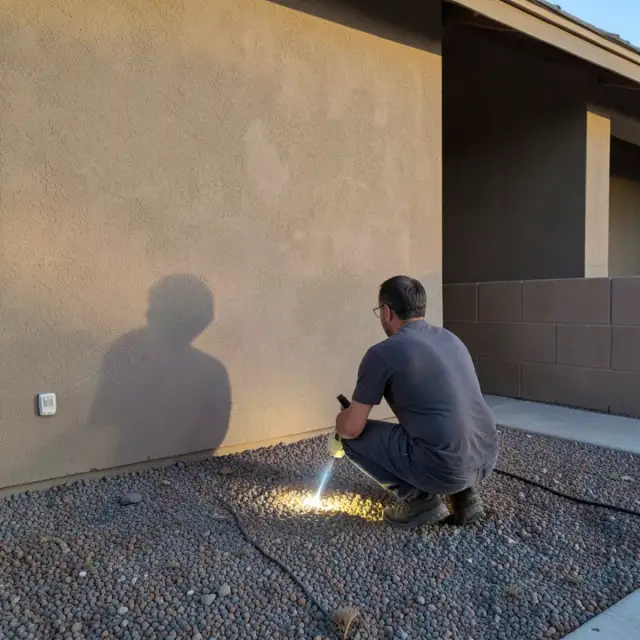
Bug Exterminator in Tempe, AZ
A bug exterminator in Tempe, AZ earns the fee by naming the insect first, because ants, American roaches, German roaches, spiders and crickets each need a different treatment. Kai Horner runs Kekoa Pest Control himself, treats inside and out, and tells you what he is doing while he does it.
- 5.0★ on Google (54 reviews)
- Family owned, owner operated
- Serving since 2022
Spraying everything and hoping is the habit that keeps bugs coming back. German roaches live behind the fridge, American roaches come up a drain, and a harvester ant colony sits about three feet down in the yard. One product on one schedule cannot reach all three, so the first job on any visit is working out which insect you have and where it lives.
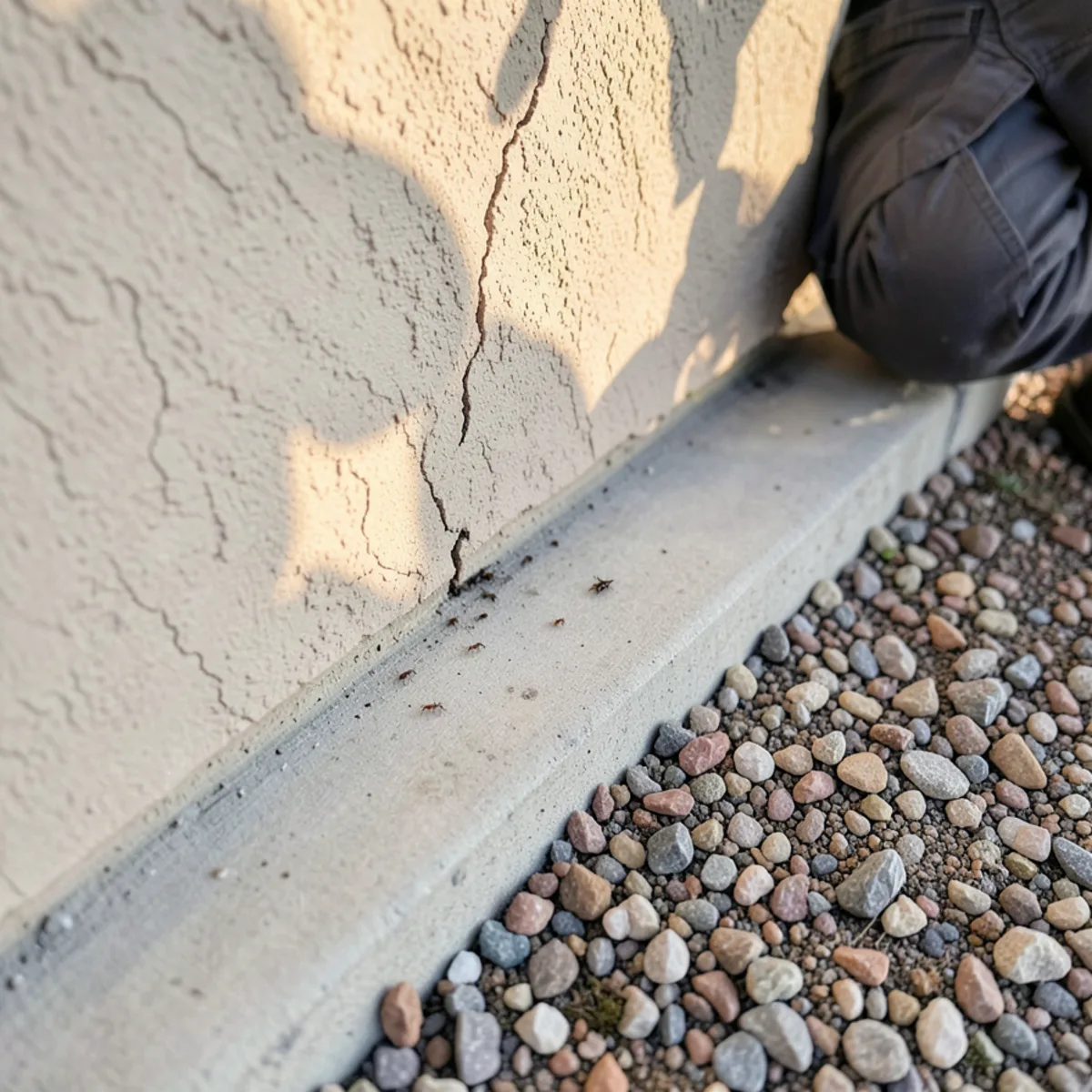
Which bugs does Kekoa handle in the East Valley?
Each of these has its own page, because each one behaves differently and fails differently when treated the wrong way.
- Ant control. Kitchen trails, harvester ant beds and native fire ant nests, with bait matched to the species and carried back to the colony.
- Cockroach control. American "sewer roaches" from drains and meter boxes, plus Turkestan roaches working in from the yard.
- German cockroach control. Half-inch kitchen roaches that breed indoors and need crack-and-crevice bait instead of spray.
- Spider control. Web removal at eaves and patios, and honest identification of what is dangerous and what is not.
- Black widow control. Webs and egg sacs in garages, meter boxes and block wall gaps.
- Cricket control. Late-summer numbers at doors and lights, and the scorpion food supply they represent.
- Silverfish control. Silverfish in damp rooms and firebrats in hot ones, which call for different fixes.
- Earwig control. Moisture and cover near irrigated beds, doormats and thresholds.
- Beetle control. Carpet and pantry beetles traced to their source, and palo verde root borers explained.
What makes Tempe bugs different?
Three local conditions explain most of what shows up indoors here.
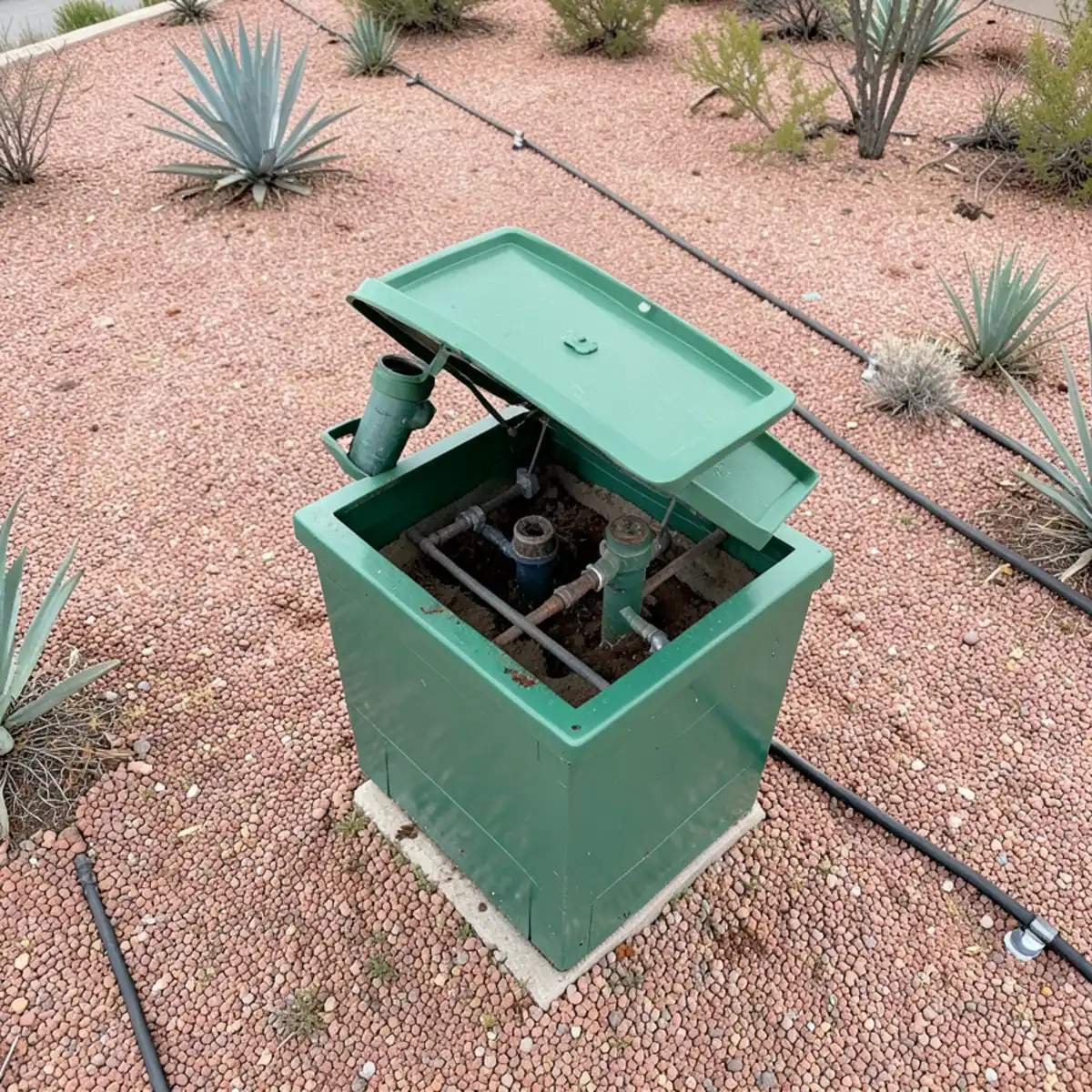
Water in a dry place. Drip lines, valve boxes, pool equipment and leaking hose bibs are the wet spots insects hunt for. Older parts of Tempe add another source, since the city still delivers flood irrigation to about 850 residential customers on a former farm-valley system. Those lots stay damp in ways a gravel yard does not.
Heat that drives insects into cracks. Slab edges, block walls and sewer lines hold steadier conditions than the surface does in July. UC IPM puts the American roach's comfort zone above about 82°F with high humidity, which describes a Valley sewer line in summer.
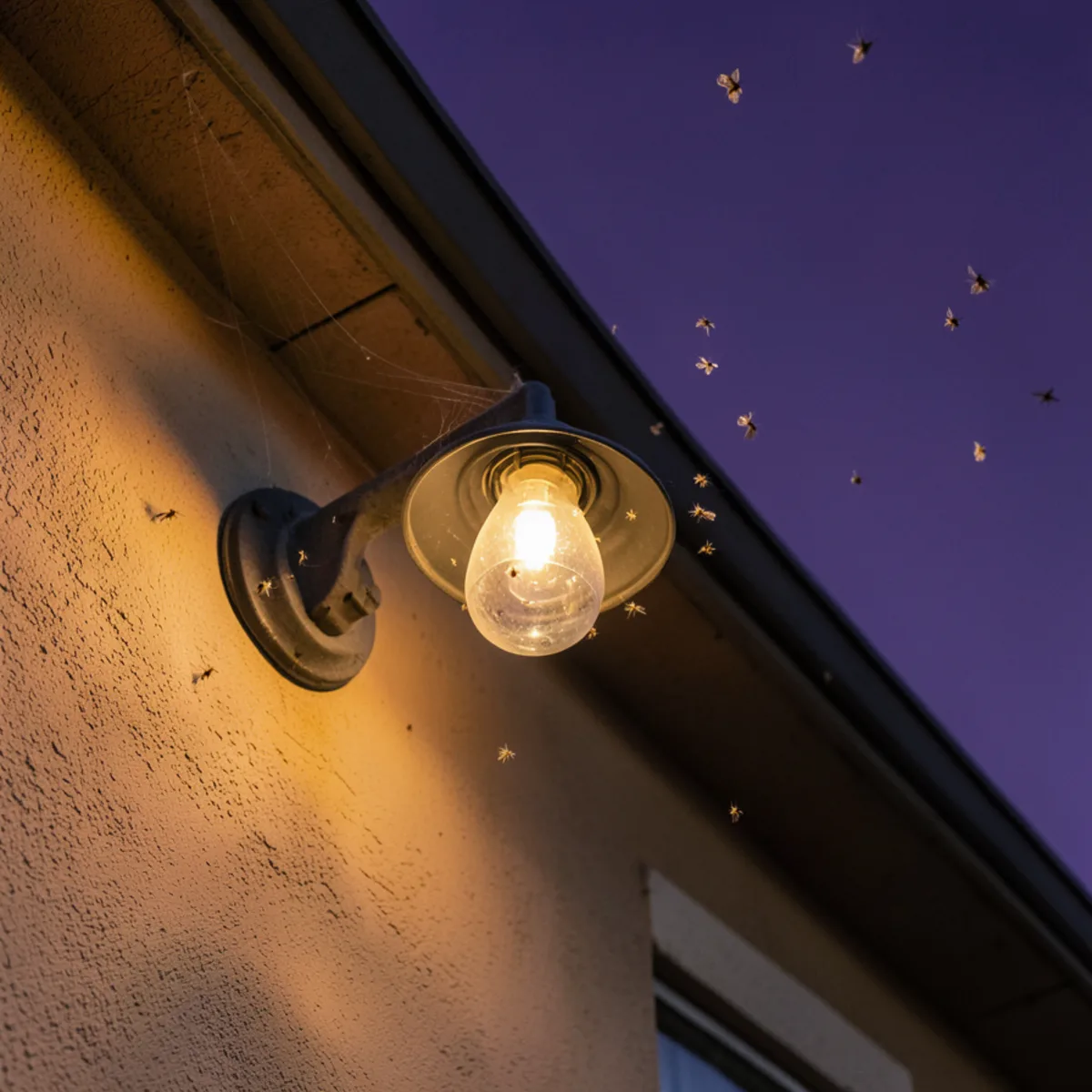
Light after dark. Night lighting draws crickets, male roaches and beetles. Those insects then feed the spiders and scorpions that follow them to your door.
Bug exterminator in Tempe, AZ: what a visit covers
General bug work means crawling insects and spiders, in the house and around it. Scorpions, stinging insects, bed bugs, fleas and rodents are separate jobs with their own methods, so say what you are seeing and Kai will tell you which applies.
- Naming the insect from a photo, a bagged specimen or the inspection.
- Checking outdoor sources such as valve boxes, weep openings, lights and irrigation.
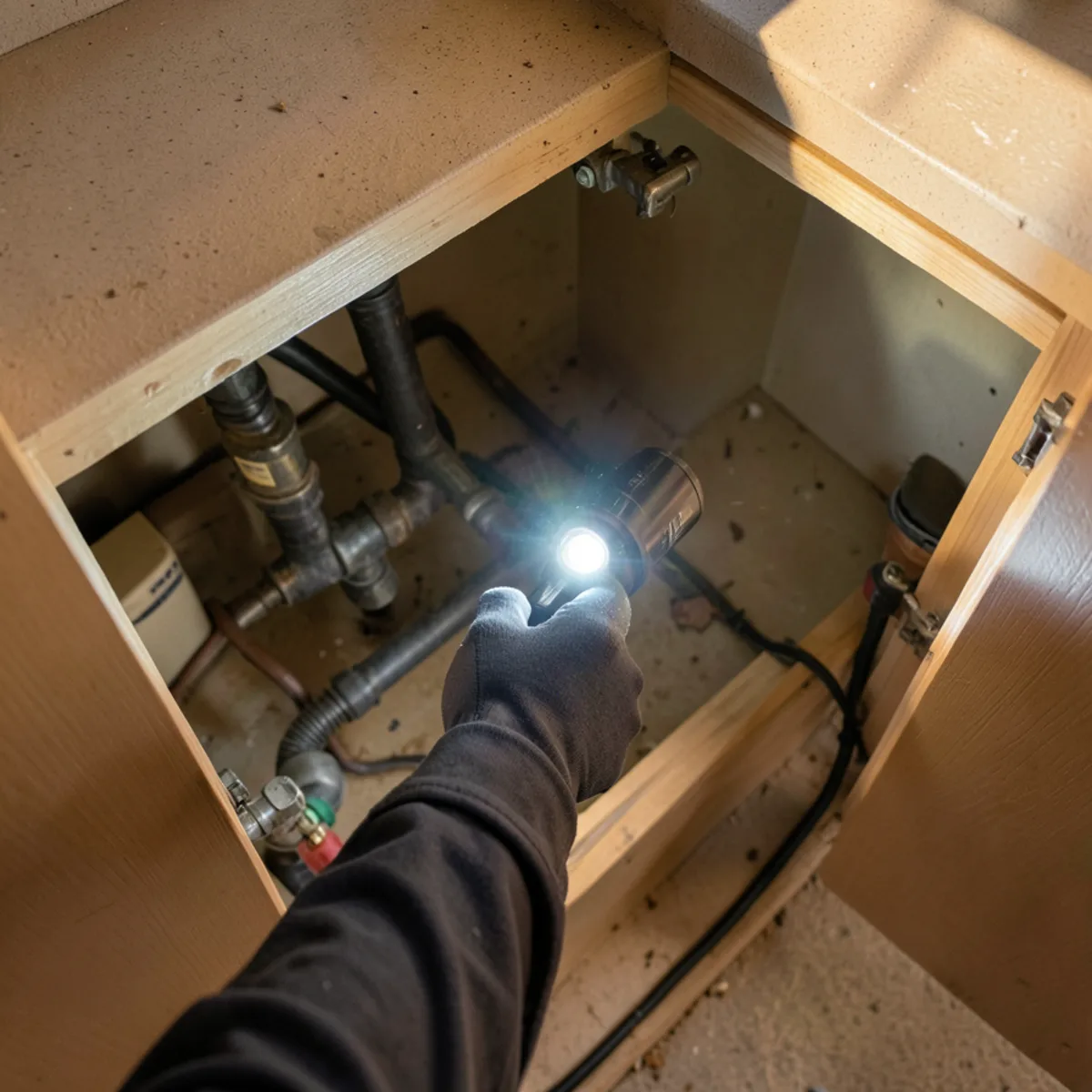
- Checking indoor shelter in sink cabinets, drains, closets and appliance edges.
- Choosing a method for that insect, or saying plainly that none is needed.
- Prevention notes on water, gaps, lighting and storage.
You get a named insect, a treatment chosen for it, and a plain explanation of what you can change at home. Reviewers say Kai sends a reminder the day before, arrives on time, treats inside and out, and leaves a list of the chemicals used at monthly visits. A typical first visit runs like this:
- Kai asks what you have seen, where, and at what time of day. A photo or a bagged insect helps.
- He walks the outside first, looking at the foundation, weep openings, valve boxes, meter boxes, lights and irrigation.
- Inside, he checks the places that insect favors, such as sink cabinets, drains, appliance edges and closets.
- He names the insect and the reason it is there, then tells you the options, including when treatment is not needed.
- He treats according to label directions, placing material away from where pets and kids reach, and tells you any re-entry time.
- He goes over what you can do to prevent a repeat, and how long you should expect to keep seeing insects.
How do bait, spray and dust compare?
The right tool changes with the insect, and each one has a cost.
- Bait. Workers carry it home, so it can reach a colony or a hidden roach population. It is slow, and it fails if other sprays keep insects away from it.
- Residual spray. Useful at the exterior for insects that walk in, such as crickets. It does not reach ant queens, and it can scatter roaches into new hiding places.
- Dust in voids and cracks. Reaches silverfish and spider hiding places that a spray misses, though it loses effect in wet areas.
- Physical removal. Brushing webs, vacuuming, caulking and trapping solve more bug problems than most people expect, especially spiders and earwigs.
For repeat pressure around a yard, monthly pest control keeps exterior work on a schedule.
Prefer to write? Request a quote
Calling is fastest. If you are on a job or at work, leave your details and Kai will get back to you.
How much does bug control cost in Tempe?
There is no flat answer until the insect is known. These are the things that move the price:
- Which insect it is, since German roach work takes more follow-up than a one-time cricket treatment.
- How established it is, and whether it has spread to a second room or unit.
- Property size, and how much yard, wall line and irrigation has to be covered.
- One visit versus repeat service.
- Access, such as cluttered garages or kitchens that need clearing.
Tempe lots explain much of the spread. A 1980s ranch house on flood irrigation usually carries more insect pressure than a newer gravel lot of the same size, and an apartment kitchen can depend on what the unit next door is doing. Season matters too, since June roaches and late-summer crickets call for different timing. So does what has already been tried. A kitchen sprayed with store products may need a different start before bait can do its work. Name every insect you are seeing, because several problems at one address change the scope more than any single bug does.
Call and describe what you are seeing. Kai will talk through the likely scope before you commit to anything.
Why Tempe households call Kekoa
- You deal with the owner. Kekoa is family owned and owner operated, and customers describe it as a one-man show, running since 2022.
- 5.0 stars from 54 Google reviews and 5.0 from 8 Yelp reviews, checked November 2026.
- Customers specifically mention that Kai explains what he is doing and how to prevent problems.
- The stated approach is honest work at fair pricing, with no sales gimmick.
- Reviewers report a reminder the day before, an on-time arrival and treatment inside and out.
- Monthly customers say he leaves a list of the chemicals used, so you can read the labels yourself.
Where Kai works, and how to check any exterminator
Kekoa is based at 2407 E Wesleyan Dr in Tempe. Beyond pest control in Tempe, Kai covers neighboring cities including bug control in Mesa, Chandler, Gilbert, Scottsdale and Phoenix. Hours are Monday to Friday 6 to 5 and Saturday 8 to 12. He will tell you honestly when he can get there.
One piece of general advice for hiring anyone in this trade. Arizona requires pest management businesses to hold a license from the Arizona Department of Agriculture Pest Management Division (A.A.C. R3-8-201), and you can look up any business on the state's license search.
The state rules also give you paperwork worth keeping. Under A.A.C. R3-8-306, an applicator owes the customer a written notice after an application, on paper or electronically. It names the specific site, the date, the target pest, the pesticide's trade name, the amount used and the applicator. If the pest on that notice does not match the insect you called about, ask why. Federal law (7 U.S.C. 136j) makes it unlawful to use a registered pesticide in a way its labeling does not allow, so asking to read a label is always a fair request.
5.0★ from 54 Google reviews
What customers say about bug exterminator with Kai
“We’ve been so impressed with our pest control service! Kai is always professional, punctual, and extremely knowledgeable. He takes time to explain what he’s doing and makes sure we understand how to prevent future issues.”
“When we moved into our home, we had a scorpion infestation.These guys knocked it out in no time haven't seen a scorpion since! (With regular monthly service)”
“He responds to emergency situations immediately! And the best part of working with Kai is that he is the most genuine, friendly and competent contractor we have worked with in our 18 years in Sun Lakes!”
Bug Exterminator: common questions
Which bugs turn up most often inside Tempe houses?
Ants and American cockroaches lead most lists here, and University of Arizona Extension calls the American roach the most common roach in the state. Spiders, crickets and earwigs usually wander in from the yard. German roaches are different because they breed indoors, so a few in a kitchen deserve a call sooner than a few crickets in the garage.
Why does the summer heat seem to push bugs indoors?
Mostly they are following shade, water and food. A Tempe yard in July is dry except where irrigation runs, and a house offers drains, condensation and cool cracks along the slab. Some species also peak then. Turkestan roaches hit their high in June and can come inside, and crickets reach adult size by late summer.
What can I do at home to help a treatment work?
Stop spraying store-bought products before the visit, because sprays can keep insects off bait. Fix drips, store food in sealed containers, pull mulch and clutter back from the foundation, and turn off night lights you do not need. Kai explains the prevention steps that matter for your insect, so you are not doing all of them for nothing.
How soon will I notice fewer bugs after a visit?
It depends on the method. Contact treatments act quickly on what they touch, while roach bait can take seven days or more and ant bait often takes several weeks. That slower timing is the point, because workers need time to carry bait home. Seeing some activity in the first days after a bait job is normal.
Do I need monthly service for bugs, or can one visit do it?
It depends on the insect and the property. A pantry beetle problem may need one identification visit, while a desert-edge yard feeding crickets and spiders usually does better with repeat service. Many of the customers who review Kai are on monthly visits, and one is on an every-two-months schedule. He will tell you which fits.
Should I call for one bug, or wait until I see more?
Wait on a single cricket or earwig. Call on one small tan roach in a kitchen, repeated ant trails, or any black widow where kids play, because those signal something established or a real bite risk. If you are unsure, bag the insect or take a clear photo, and describe it when you phone Kai.
Related services
- Ant ControlSpecies identified, then bait or yard treatment that reaches the colony.
- Cockroach ControlDrain, sewer and yard roaches stopped at the entry point, inside and out.
- German Cockroach ControlBait-led treatment for small kitchen roaches that breed indoors.
- Spider ControlWebs cleared, hiding spots reduced, and the insects that feed spiders cut back.
- Black Widow ControlWidows, webs and egg sacs removed from garages, walls and utility boxes.
- Cricket ControlLate-summer crickets cut at the lights, cracks and foundation line.
- Silverfish ControlSilverfish and firebrats traced to the damp or hot spot that keeps them going.
- Earwig ControlDamp cover and door gaps fixed so earwigs stop walking in.
- Beetle ControlCarpet, pantry and yard beetles named first, with the real source found.
Where we offer this
- FlorenceAnts, roaches and spiders in older downtown buildings with settled gaps, where thick walls, old door frames and years of repairs give them more hiding room than a modern slab.
- El MirageRoaches and ants on older Grand Avenue lots, crickets and spiders near the river side, and a plain explanation from Kai of which one you are actually dealing with.
- TempeA median build year near 1980 and a renter majority mean older slabs, shared walls and mixed bug pressure.
- PhoenixAbout 20,000 SRP flood-irrigated parcels stay wet through summer, which keeps crawling insects close to homes.
- MesaMore than 200 acres of orchards remain near Gene Autry Park, and irrigated citrus lots feed more insects than gravel.
- ChandlerOcotillo's 138 acres of reclaimed-water lakes add damp edges and night-flying insects beside homes.
- GilbertGrowth from 5,717 residents in 1980 to 267,918 in 2020 left many young, irrigated yards on former farmland.
- ScottsdaleThe city runs about 31 miles north to south, so the bug mix shifts from irrigated core lots to preserve-edge desert.
- GuadalupeAbout 1,820 housing units per square mile puts a neighbor's bug problem very close to your own wall.
- Sun LakesFive country club communities keep irrigated fairways beside homes, and one customer here reports quick help in emergencies.
Talk to Kai about bug exterminator
Call first. You will reach the owner, not a call center.
Kekoa Pest Control, 2407 E Wesleyan Dr, Tempe, AZ 85282, (209) 563-1650
- 5.0★ on Google (54 reviews)
- Family owned, owner operated
- Serving since 2022