
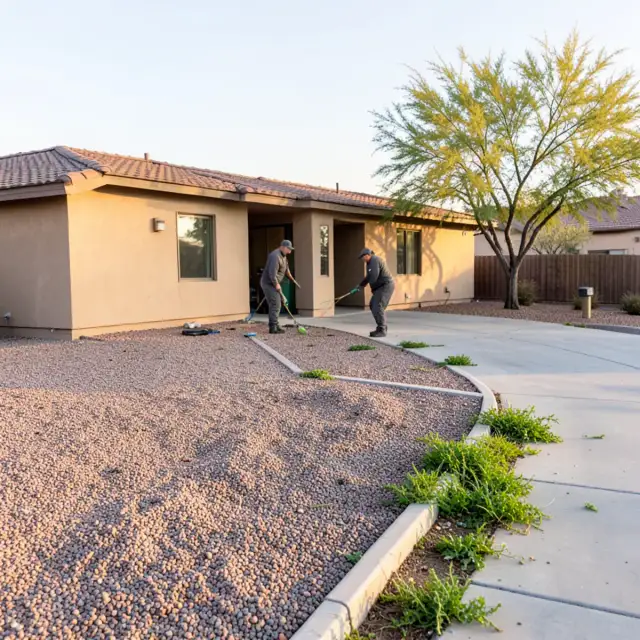
Weed Control in Tempe, AZ
Weed control in Tempe, AZ comes in two stages: pre-emergent to stop seeds before they come up, and post-emergent to kill what is already growing. Most Valley yards need both, timed to the winter and summer weed seasons. Call (209) 563-1650 and describe what is coming up.
- 5.0★ on Google (54 reviews)
- Family owned, owner operated
- Serving since 2022
Weeds in the Valley follow the weather. Rain, irrigation and bare ground decide what comes up, and two different seasons bring two different sets of plants. That is why a single spray in spring rarely holds a yard, and why a plan matters more than the product. A Google reviewer of Kekoa says Kai addresses their pest issues and weeds as well, so this work often sits next to pest service.
Weed Control in Tempe, AZ: What the Service Covers
There are four pieces, each with its own page:
- Pre-emergent weed control stops seeds before they surface, timed ahead of the winter and summer flushes.
- Post-emergent weed control kills weeds that are already up in gravel, beds and hardscape.
- Gravel yard weed control deals with rock and decomposed granite yards, where most Valley weeds live.
- Commercial weed control looks at HOA, retail and parking lot grounds, where Kai will tell you if a property suits him.
A visit gives you a clear read of what is growing, an application matched to those weeds and that site, and straight advice on the leaks, bare spots or seed sources feeding the problem. You also learn what was applied and where, so you can keep pets and people out of a treated area for the re-entry time on the label. Irrigation repairs and regrading stay with your landscaper.
Why Does Tempe Get Two Weed Seasons?
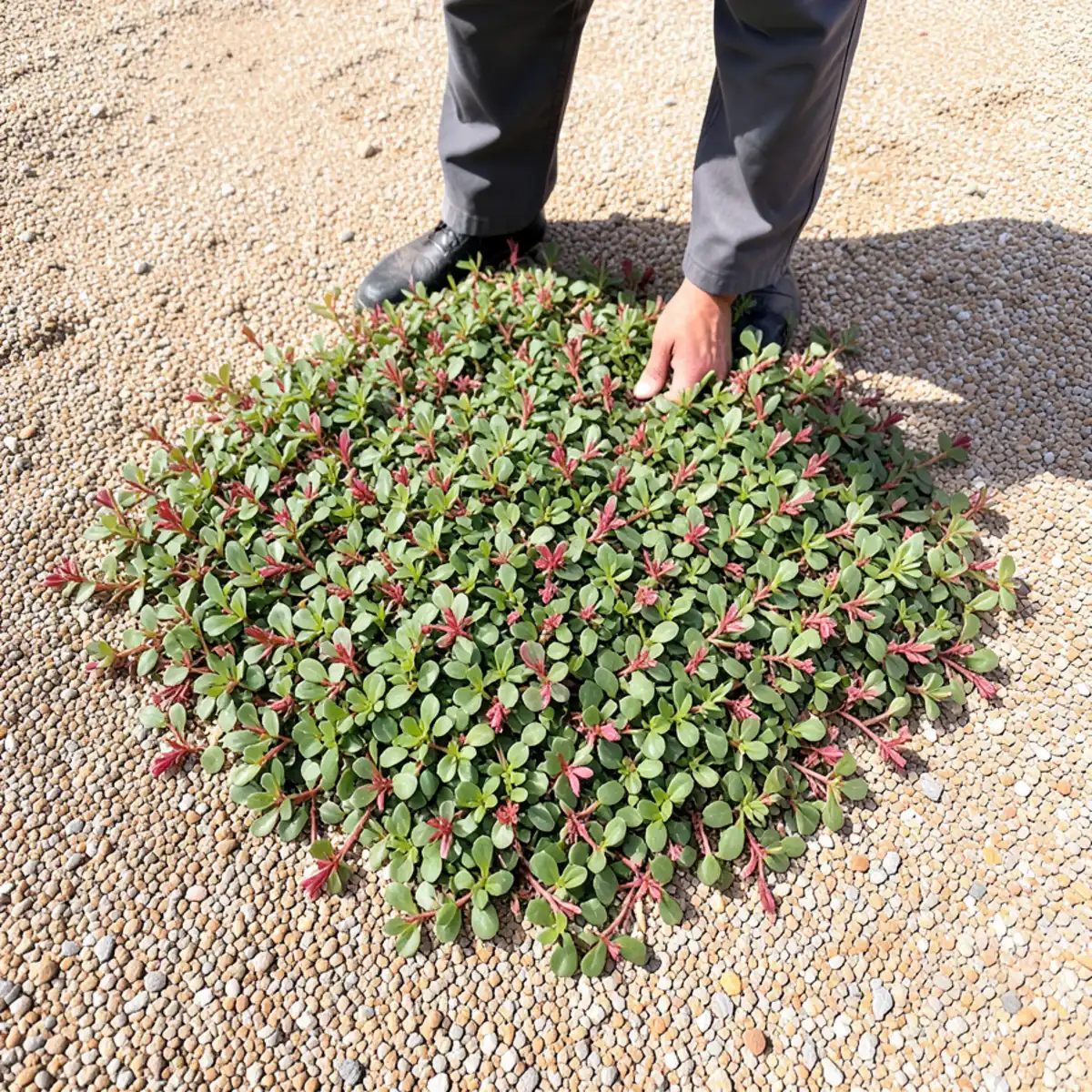
Winter rain and summer monsoon each wake up different seeds. University of Arizona Extension groups annual weeds that way, and the timing of any treatment follows.
| Season | Weeds you will see | What works |
|---|---|---|
| Fall through early spring | London rocket and other cool-season annuals | Pre-emergent around October; spot-treat before seed heads form |
| Late winter through monsoon | Spurge, southwest cupgrass, liverseed grass, stink grass | Pre-emergent by late February or March; a mid-summer round for spurge, if the label allows |
| Late spring through fall | Bermuda in gravel | Spray on actively growing grass; repeat as needed |
London rocket moves fast. In a University of Arizona turf trial it stood 4 inches tall and was already starting to flower on March 3. Spurge moves faster: Extension says some species can finish a life cycle in as few as two weeks and produce up to 500 seeds per square foot. Miss one flush and the next one starts with far more seed.
Stop It or Kill It: Choosing the Right Treatment
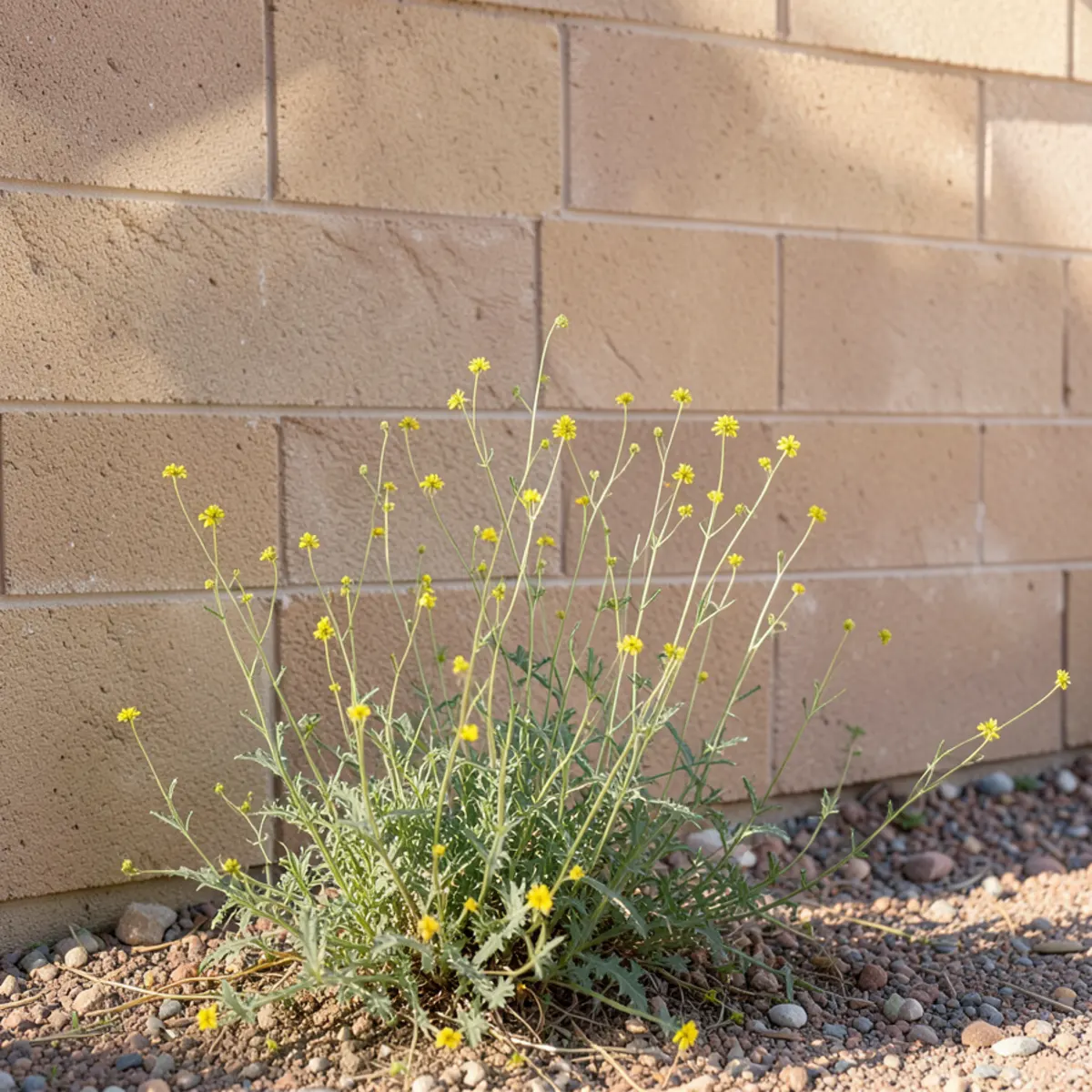
The two treatment types do different jobs, and one cannot stand in for the other. Extension is direct on this. Pre-emergents have no effect on weeds that are already growing. Post-emergents have no activity in the soil and do not stop new seedlings.
| Pre-emergent | Post-emergent | |
|---|---|---|
| Target | Seeds that have not surfaced | Weeds you can see |
| Timing | Before the flush | When weeds are young and actively growing |
| Needs | Water to activate, from rain or irrigation | Dry leaves for hours after spraying |
| Limits | Will also stop wildflower seed | Can injure any plant it lands on |
Weed spraying in a yard that is already overrun usually means post-emergent first, then pre-emergent on cleaned ground. Going the other way around leaves mature weeds alive to drop their seed.
Prefer to write? Request a quote
Calling is fastest. If you are on a job or at work, leave your details and Kai will get back to you.
How Do You Protect Desert Plants During Treatment?
By treating weeds, not the whole yard. Most damage comes from drift and overspray, so the work is about placement: a low wand, coarse droplets, calm conditions, and shields near anything you value. Extension suggests plastic sheeting, plywood or cardboard for that purpose.
Be wary of anyone offering a one-shot product that keeps ground bare for years. Extension warns against long-residual soil herbicides, saying they can have devastating consequences and damage both the roots and foliage of landscape plants. In a yard full of mature mesquite and palo verde, that is a real risk.
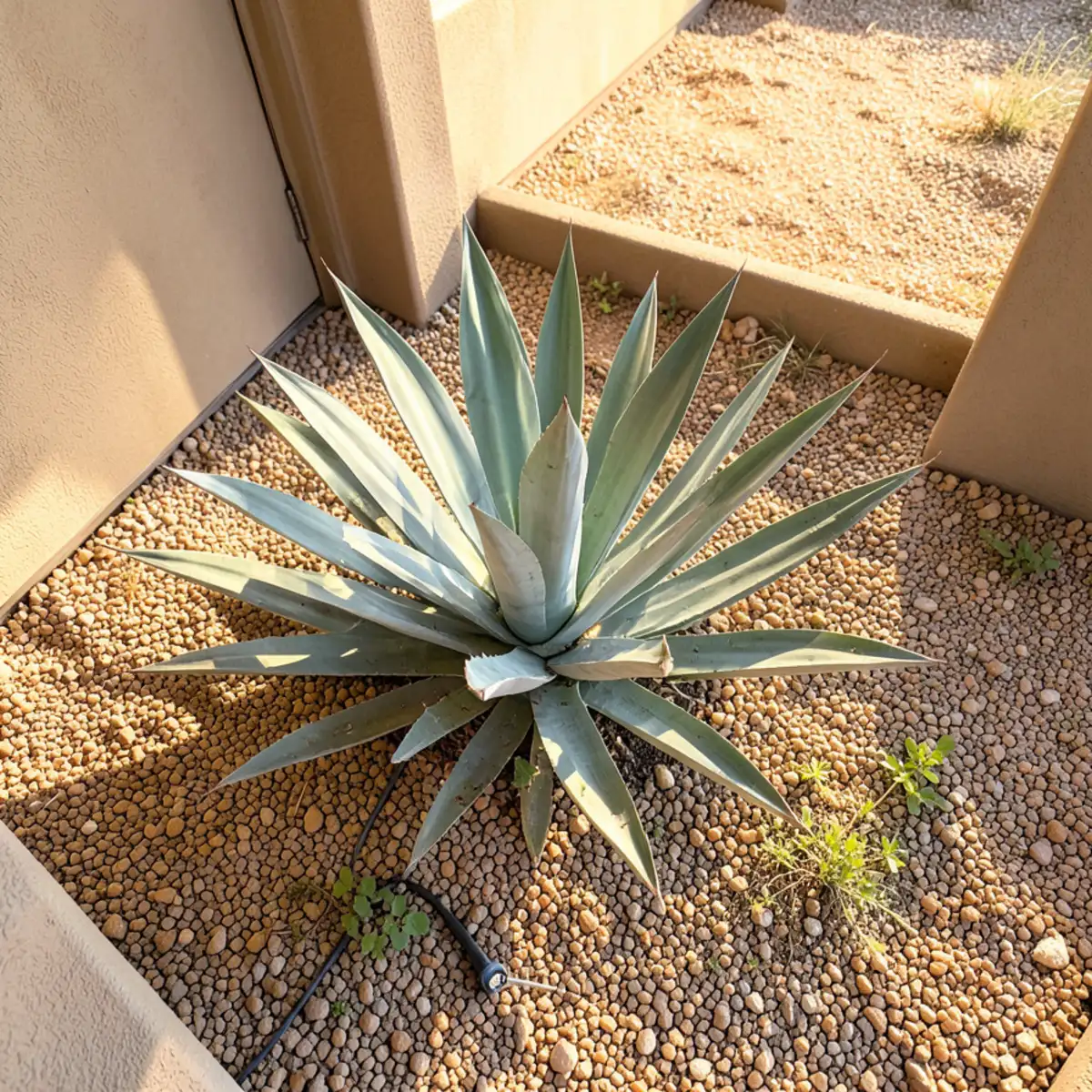
Tell Kai about seeded wildflowers, new plantings, pets and vegetable beds first. Extension says not to use pre-emergents in vegetable gardens.
How a Weed Control Visit Works
- Walk the property. Weeds are identified, along with leaks, wet spots and bare areas.
- Choose the treatment. Pre-emergent, post-emergent or both, based on the time of year and what is up.
- Check conditions. Wind and rain forecasts decide whether spraying goes ahead that day.
- Apply by label. Rates and placement follow the product label.
- Explain the follow-up. You hear what to expect, how long until weeds brown, and when the treated area can be used.
Reviewers mention getting an explanation as he goes, which helps here because results take days.
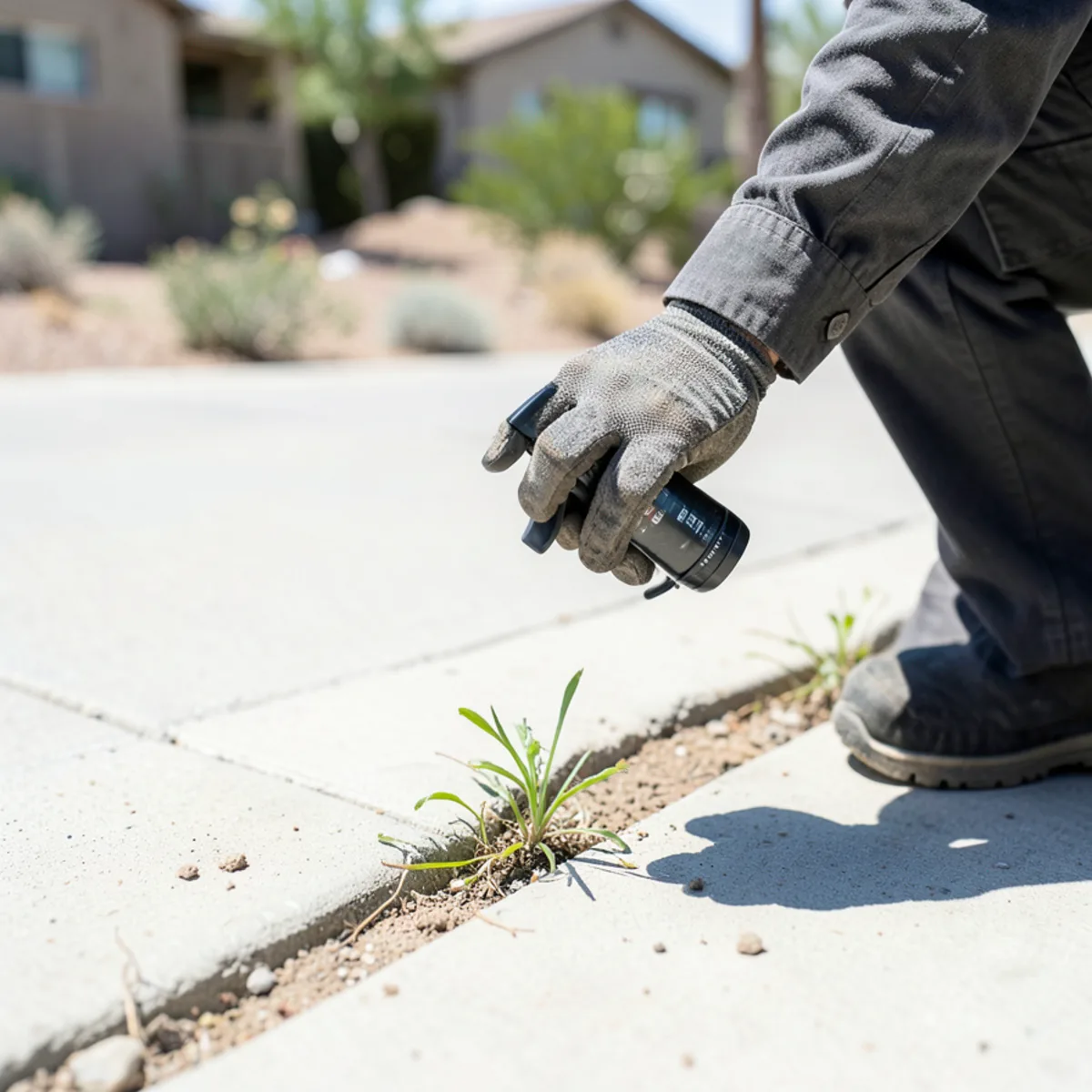
What Sets the Price of Weed Spraying?
Kekoa has no published weed control price. What matters is:
- Square footage of gravel, beds and hardscape to be treated.
- How heavy the weeds are, and whether any have gone to seed.
- Whether bermuda is involved, since it takes repeat rounds.
- One-time clean-up compared with seasonal timing.
- Whether the work lines up with an existing pest visit.
- Slopes, gates and access for equipment.
In Tempe, the biggest swing is the starting point. A clean gravel front yard on a seasonal schedule is a light job. A yard left through a monsoon can need a clean-up round before any prevention makes sense, with seed already on the ground. Mature trees, agaves and new plantings slow the work too, because spraying stays low and shielded near them. Bermuda adds return trips, since Extension expects some regrowth after a first treatment. A yard facing an HOA letter may also need clean-up sooner than the ideal weed window allows.
Who Can Make You Deal With Weeds?
A city code office or your HOA, and sometimes both. Mesa's code compliance page says property must be kept free of weeds and grass more than 9 inches tall, and officers can act on a complaint or on what they see themselves. Phoenix lists dead or overgrown vegetation among its blight violations. Tempe's standard is not quoted here, so ask the city before you rely on a number. HOA landscape rules can go further than city code, and your CC&Rs say who pays for what. Whatever goes on the ground, EPA holds every herbicide user to the label directions.
Why Add Weeds to Your Kekoa Service
- One person handles it. Customers describe "a one man show", so whoever treats for pests also knows what went on the yard.
- Reviewers mention both. Weed work is on record in a Google review alongside pest work.
- You see what was used. One monthly customer says Kai leaves a list of the chemicals used on each visit.
- The timing gets communicated. Customers report a reminder the day before, which suits work tied to a rain forecast.
- It is a family business. Kekoa has been family owned and owner operated since 2022, and Google showed 5.0 from 54 reviews on November 2, 2026.
Hiring anyone for this? Pest management businesses in Arizona answer to the Department of Agriculture for licensing (A.A.C. R3-8-201), and weed control has a category of its own. Ask which category applies, and confirm it at opm.azda.gov/PCBusSearch.php.
Where Kai Takes Weed Work
Weed work runs from the Tempe base across Tempe and nearby Mesa, Chandler, Scottsdale, Gilbert and Phoenix. Weekday hours are 6 to 5 and Saturday hours are 8 to noon, so call in those hours and ask about the next opening.
5.0★ from 54 Google reviews
What customers say about weed control with Kai
“He leaves a list of all chemicals he has used during his monthly visits. I have used big companies in the past and had to deal with no shows, turnover, price increases, etc. With Kai, you get Kai as he is a one man show.”
“With Kekoa you will get a great company who cares about their clients, does a fantastic job time and time again and won’t jack up the rates once they have you as a client.”
“Kai listens and never fails to address our pest issues and weeds as well.”
Weed Control: common questions
Can weed control be added to my pest service?
Ask Kai on your next visit or by phone, since it depends on your yard and schedule. A Google reviewer says he addresses their pest issues and weeds as well, so handling both is something customers already describe. One advantage is plain enough: one person on the property, and one conversation about what was put down in the yard.
How often do Tempe yards need weed treatment?
Think of two main pre-emergent windows and spot spraying between them. University of Arizona Extension gives October and March as the usual pre-emergent timing, with a mid-summer round where spurge is the trouble. How many spray visits you need on top depends on monsoon rain, irrigation leaks and how much bermuda or seed is already in the yard.
When do weeds explode after monsoon rain?
Within days to a couple of weeks. Extension says spurge germinates whenever air temperatures are above 60 degrees and some species can finish their whole life cycle in as few as two weeks under good conditions. So a July storm can turn into seeding weeds by August. Treating young growth quickly stops the next generation of seed.
Will weed spraying hurt my desert plants?
It can, which is why placement matters. Post-emergent herbicides can injure desirable plants they land on, so spraying is kept to the weed and away from foliage, using a coarse spray on calm days. Label directions cover what can be used around which plants. Show Kai your agaves, cacti and new plantings before anything starts.
Is a weed control license different from a pest license?
It is a separate question. Arizona's Pest Management Division handles pest management business licenses, and weed control falls under its own license category. So when you hire anyone for weed spraying, ask which category covers that work, then confirm it. You can start with the state's lookup at opm.azda.gov/PCBusSearch.php. This is general advice for any company.
Is hand pulling enough for a small yard?
For a few weeds, often yes. University of Arizona Extension calls hand weeding a practical answer where there are only a few plants in a small area, and it recommends pulling London rocket before its seed ripens. Wear gloves for spurge, since Extension warns its milky sap can irritate skin and eyes. Bermuda is different, because pulling leaves the rhizomes behind.
Related services
- Pre-Emergent Weed ControlApplications timed ahead of the Valley's winter and summer weed flushes.
- Post-Emergent Weed ControlSpraying for weeds already up in gravel, beds, cracks and driveways.
- Gravel Yard Weed ControlClean granite and rock yards, from spurge mats to stubborn bermuda.
- Commercial Weed ControlHOA, retail and lot weed problems, with an honest call on fit first.
Where we offer this
- AnthemBring your association's landscape standard to the call and Kai can plan around it.
- TempeTwo rainy seasons and drip-fed gravel yards bring separate weed flushes every year.
- MesaCity code compliance says property must stay free of weeds and grass over 9 inches tall.
- ChandlerAssociation-run streets watch front yards, so spurge in gravel can turn into a compliance letter.
- ScottsdaleDesert landscaping near the preserve means keeping native plants clear of any overspray.
- GilbertWorked farm soil and turf beds stay damp, which suits spurge and bermuda along block walls.
- PhoenixThe city lists overgrown vegetation among blight violations, and flood-irrigated lots grow weeds fast.
- Sun LakesThree HOAs set the rules here, and gravel yards sprout after winter rain and monsoon storms.
- Queen CreekVacant lots nearby drop seed into bare new yards, so first-season timing matters.
Talk to Kai about weed control
Call first. You will reach the owner, not a call center.
Kekoa Pest Control, 2407 E Wesleyan Dr, Tempe, AZ 85282, (209) 563-1650
- 5.0★ on Google (54 reviews)
- Family owned, owner operated
- Serving since 2022