
Pest Control Service in Mesa, AZ
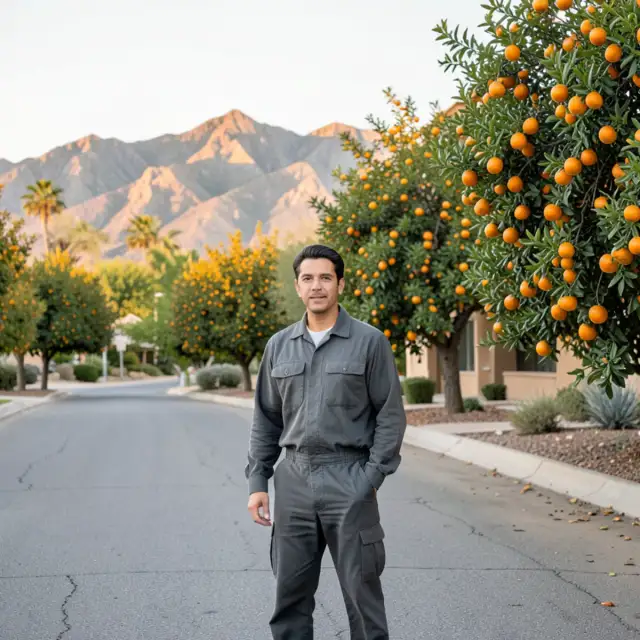
Pest control in Mesa, AZ from Kekoa starts about 4 miles and 10 minutes from the Tempe base. Mesa's own bee page sends hives on private property to a private company, so a colony in your wall or yard is yours to deal with, and Kai can take that call. Roof rats on citrus lots and worn west side thresholds are the other local problems.
- 5.0★ on Google (54 reviews)
- Family owned, owner operated
- Serving since 2022
Mesa is the nearest big city to Kekoa's Tempe base, about 10 minutes and 4 miles away. Arizona's third-largest city, at 507,478 people, is everyday ground for Kai. Pest control in Mesa has one local wrinkle worth knowing before you call anyone. The city's bee page draws a line: Mesa handles its own water meters, parks and city property, and a hive in your wall or yard is yours. Older west side streets and east side citrus lots bring their own problems.
Who removes a bee hive in Mesa, the city or you?
Mesa's bee page lists separate city contacts for bees in water meters, in parks and on Mesa-owned property. On private property, it tells residents to consult a private exterminator, and the owner or occupant pays. Maricopa County Vector Control can step in where a hive is a public hazard. If bees are attacking, the city says call 911, stay indoors and shut windows and doors.
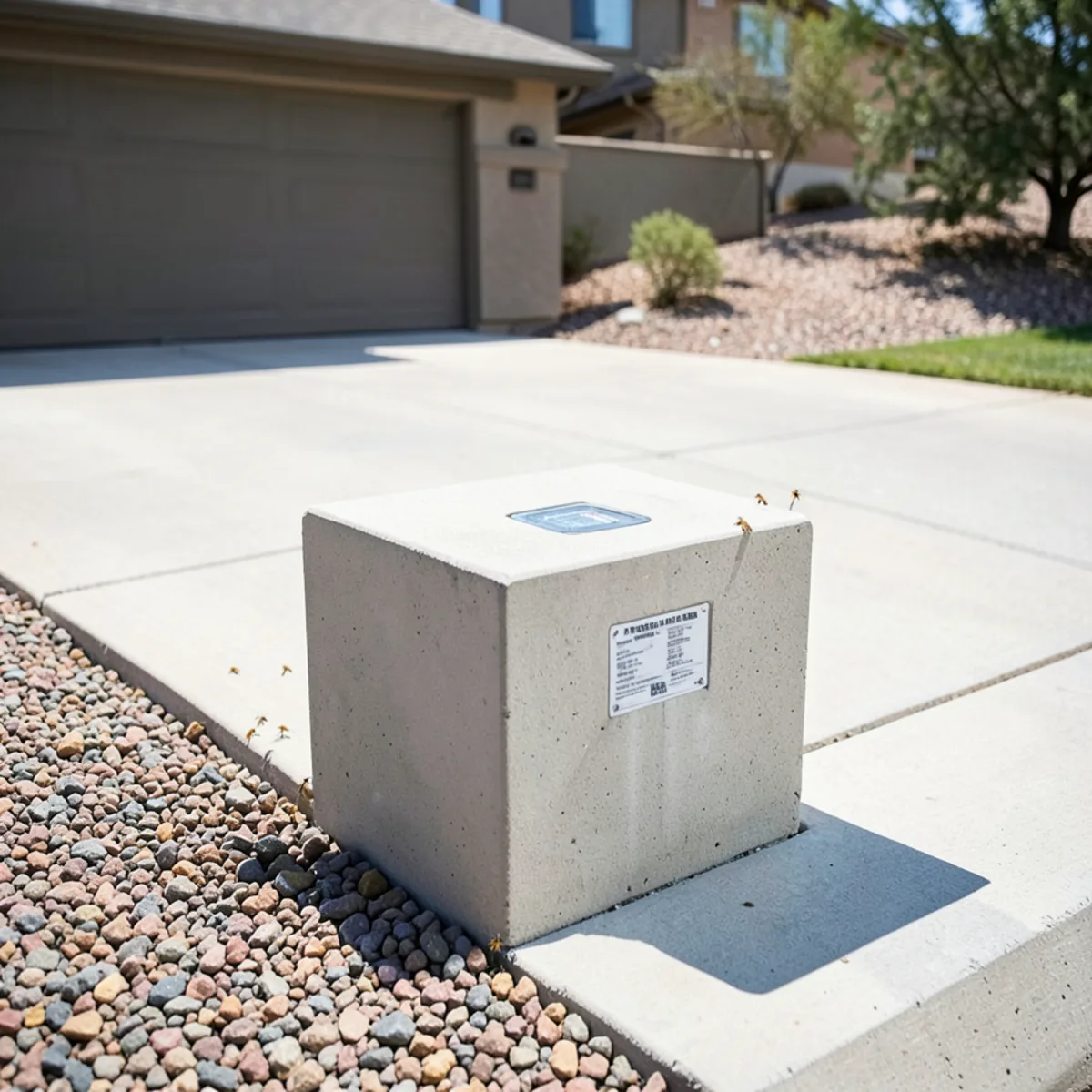
So if the bees are in a meter box on the street side, start with the city. If they are in a block wall, a shed or a roof void, that is a job for bee removal. Treat any wild colony as defensive and leave it alone until someone has looked at it.
From the 1878 townsite to the citrus sub-area
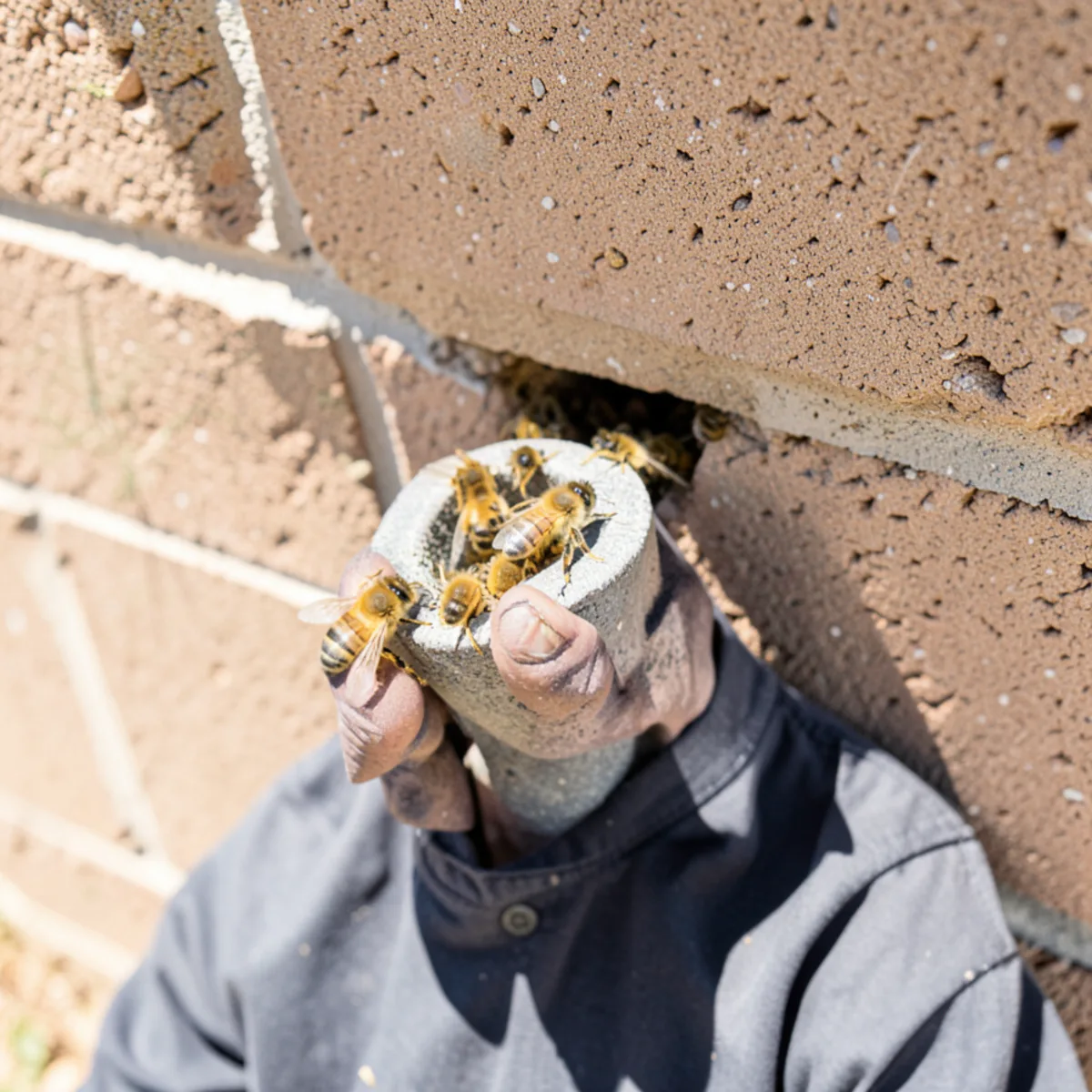
Mesa's pest pressure follows its growth. Settlers laid out a one-mile-square townsite in 1878 with wide streets and large garden lots. They watered it with the Mesa Canal, finished that October on part of an abandoned Hohokam canal. In 1950 the city still covered just over six square miles. By 2000 it covered 125.
That spread means house age shifts as you drive east. Near the old core, expect mature trees, worn thresholds and aging plumbing, which suit cockroaches and mice. Farther out, block walls and irrigated yards create the lines scorpions and ants follow. On the northeast side, some land stays in citrus on purpose. More than 200 acres of orchards remain near Gene Autry Park, the mayor has said the Falcon Field safety zone will keep the area mostly citrus, and lots in the city's citrus sub-area must carry citrus trees.
West Mesa has its own planned era. Dobson Ranch, built between 1973 and 1999 between US 60 and Guadalupe Road, set homes around several small man-made lakes. The oldest of those houses are now 50 years old, so door seals and plumbing need the same checks as the old core, with damp lake edges added.

Why do roof rats show up on Mesa citrus lots?
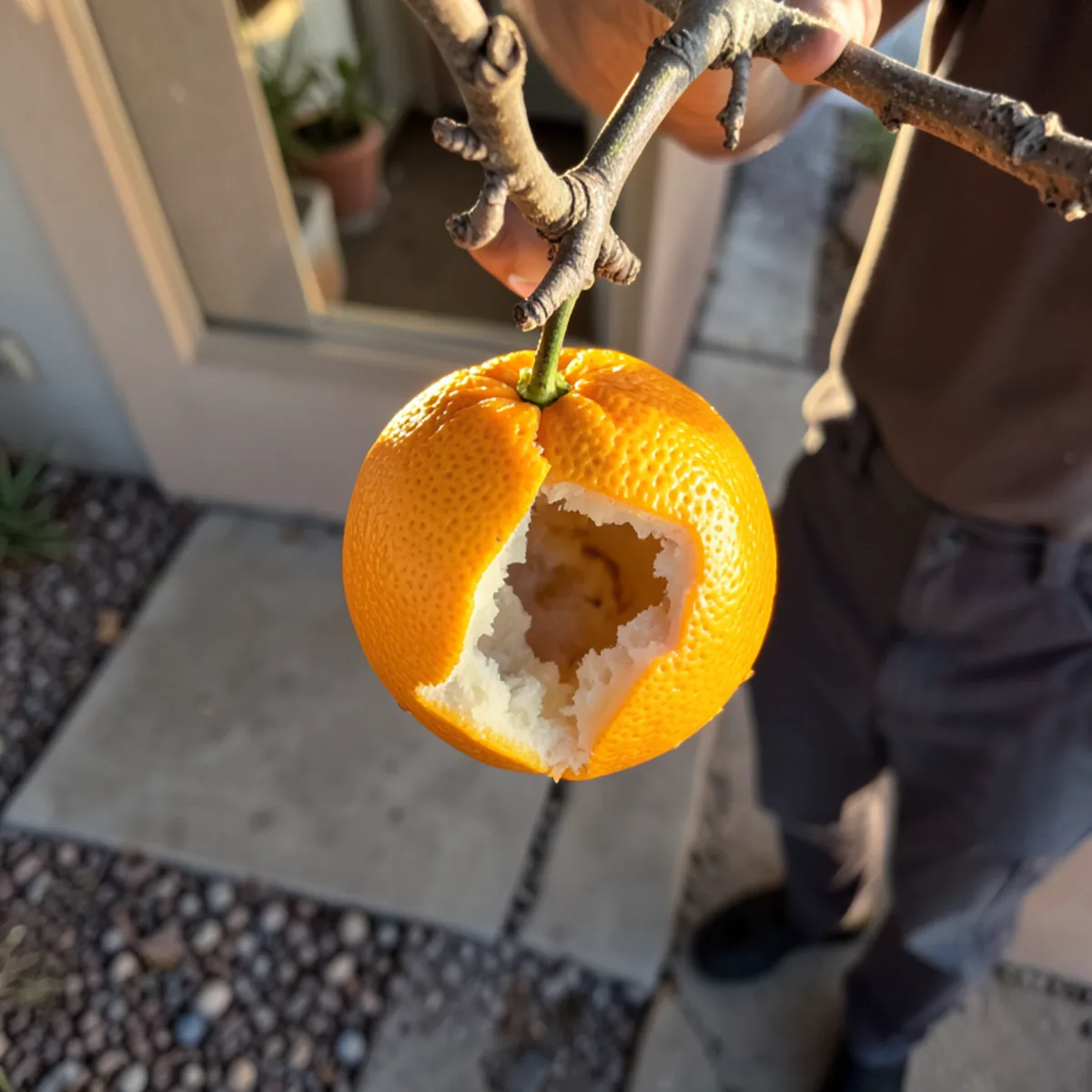
Fruit stays on the tree for months, and a fruit tree against a house is a ladder with food on it. The city lists hollowed-out citrus, noise in the attic, gnaw marks around roof eaves and chewed wire coverings as signs. It also makes a point residents should hear: seeing roof rats does not mean a neighborhood is declining, since rats can arrive in belongings during a move. County Vector Control takes the reports. Trapping and closing entry points on your lot is a private job, and University of Arizona Extension advises pruning branches off walls and roof lines and picking up fallen fruit.
What services fit a Mesa home?
How pest control in Mesa, AZ works from 4 miles away
Being this close helps with scheduling, though nothing is promised until you speak to Kai. You call, you get the owner, and he tells you honestly when he can get there. Expect a reminder the day before, according to reviewers, and an arrival on time. He works inside and out, explains what he finds, and sets traps and cleans up after each catch on rodent jobs. Monthly customers report a list of the chemicals he used, left behind after each visit.
“Kai did a great job with rodent extermination at my In-Laws house. He was professional and timely with setting the traps and cleaning up after each one was captured, two in total.”
“We have had monthly pest control services which have kept the scorpions and other bugs away, as well as mice and hornet abatement on a few occasions.”
Canals you can still walk beside
The Hohokam dug canals here centuries before Mesa existed, and the Park of the Canals still preserves part of that system. The SRP canals that cross the city today keep yards wet and ground cool along their paths. Canal-side lots tend to hold more ants, earwigs and crickets, and they often need closer attention at the foundation.
The same water fed the crops that came later, citrus from the early 1890s and cotton from 1912. Red Mountain Park, the city's largest at 1,146 acres, holds a lake among east side homes. If your lot backs onto a canal or a park, say so when you call.
2407 E Wesleyan Dr, Tempe, AZ 85282
(209) 563-1650
- Monday - Friday
- 6:00 AM - 5:00 PM
- Saturday
- 8:00 AM - 12:00 PM
- Sunday
- Closed
Prefer to write? Request a quote
Calling is fastest. If you are on a job or at work, leave your details and Kai will get back to you.
Pest control in Mesa: questions
Who pays to remove bees from a private yard in Mesa?
The owner or occupant does. Mesa's bee page says anyone hiring a beekeeper or exterminator for private property pays for it, and it points residents to a private exterminator. City contacts cover Mesa-owned property, parks and water meters. If bees are attacking people, the city says call 911. For a hive in a wall or yard, call Kai and describe what you see.
Do east Mesa citrus lots really get roof rats?
Yes, citrus is a known draw. Mesa lists hollowed-out citrus, attic noise and gnaw marks at the eaves among the signs. Lots in the city's citrus sub-area keep fruit trees by design, so the food stays put. Pick fallen fruit up quickly and prune limbs off the roof. Report activity to Maricopa County Vector Control, as the city asks, and handle your own lot privately.
Is the approach the same in an old west Mesa house and a newer east Mesa one?
Same owner, different inspection. Near the older core, a house may have years of door wear, plumbing gaps and mature shade, so roaches and rodents get most of the attention. East Mesa homes tend to have tighter shells and more pressure from outside, especially scorpions along walls. Kai looks at what is in front of him and explains it.
How often should a Mesa home be treated?
Monthly is the pattern reviewers describe, though one has service every two months. A citrus lot or a home with active scorpions usually needs the closer interval. A tight house with few pests may not. Since Mesa is only about 10 minutes from Tempe, Kai can talk through what your lot needs without distance driving the answer.
Nearby areas we serve
- GilbertFormer hay fields turned irrigated subdivisions, from Heritage District to the south side
- Pest Control in Tempe
- ChandlerOcotillo lake lots and South Chandler block walls on old cotton ground
- ScottsdaleOld Town condos to McDowell Sonoran Preserve lots, with scorpions and pack rats
- GuadalupeRoach and rodent help for close-set homes in a town under one square mile
Book pest control in Mesa
Call and Kai will tell you honestly when he can get there.
Kekoa Pest Control, 2407 E Wesleyan Dr, Tempe, AZ 85282, (209) 563-1650
- 5.0★ on Google (54 reviews)
- Family owned, owner operated
- Serving since 2022