
Roof Rat Control in Tempe, AZ
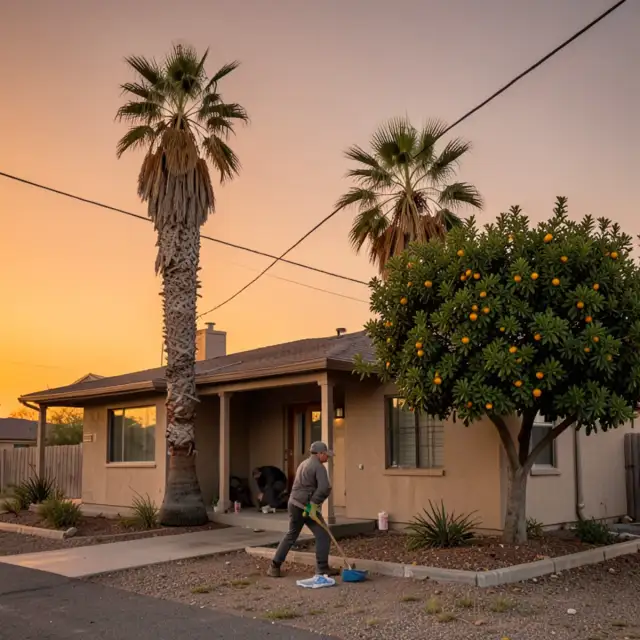
Roof rat control in Tempe, AZ means working where these climbers live: overhead, in attics, palms and citrus, and along wires and block walls. Kai looks for their routes and traps along them, and reviews say he clears up each catch. Then he shows you what is giving them a way onto the roof.
- 5.0★ on Google (54 reviews)
- Family owned, owner operated
- Serving since 2022
Roof rats live above your head. That changes everything about catching them, because the ground-level approach that works on mice misses them. For the wider picture, see Kai's rodent control page. If your problem is low to the ground with piles of sticks, it may be a pack rat instead.
Roof rats in Phoenix and Tempe: why the Valley suits them
These are not native animals. University of Arizona Extension says they were documented in Phoenix in 2001, probably after arriving with freight. They have since settled into old citrus, palms and mature landscaping, and they use irrigation canals. Older Tempe neighborhoods with big trees and alleys offer all of that.
The City of Mesa makes a useful point: roof rats are not a sign of a declining neighborhood. They settle where conditions suit them. A well kept yard full of ripe oranges can suit them fine.
Signs: hollow fruit, night noise and smudges
Extension says attic sounds are often the first clue. Listen after dark. Then check for these:
- Oranges hollowed out on the tree or ground, with the rind left behind.
- Lemons with the rind stripped off and the fruit left hanging.
- Dark, pointed, banana-shaped droppings, a quarter to half an inch long.
- Grease smudges high on rafters and beams.
- Chewed wire coverings and gnaw marks near roof edges.
- A rat on a power line at sundown. Extension says residents here often see them on overhead lines at twilight.
Be careful with droppings. Extension says droppings alone do not reliably identify a rat, and CDC warns against sweeping or vacuuming them. Wet them with disinfectant first. Maricopa County says plague, tularemia and hantavirus tests on local roof rats have all come back negative to date. AZDHS still says not to dust, sweep or vacuum where rodents have been, so keep your hands off them.

Where roof rats in the attic come from
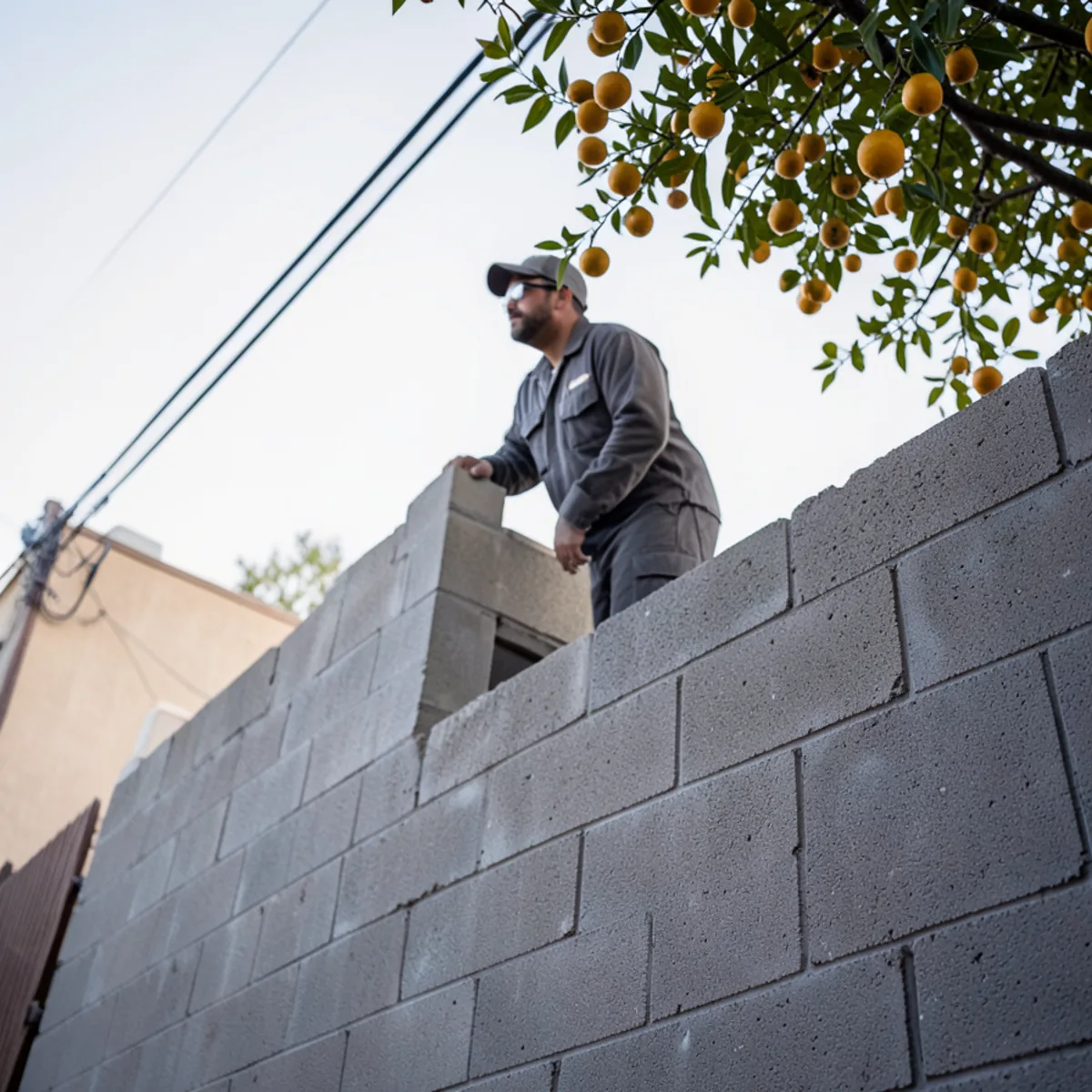
Maricopa County says they spend most of their lives at least 4 feet off the ground, traveling along power lines, trees and roofs, usually within 200 to 300 feet of their nests. Block walls work as highways between yards.
Nests turn up in attics, soffits, overhead garage storage, vine-covered fences, woodpiles and palm crowns where old fronds were never removed. Extension says they can reach a hole as small as a dime. They also breed year round in warm low desert areas, with 5 to 8 pups per litter and up to 5 litters a year. A few rats can become many in one season.

What roof rat control from Kai covers
This is overhead work, so the job turns on where the rats travel. Kai looks at the attic if it can be reached, then the roofline, trees, walls and wires, and sets traps on the routes in use. Customer reviews show trapping and cleanup after each catch, and that is the center of the job. Pruning, fruit pickup and gap closing are things he points out for you. Sealing is an unconfirmed offer, so ask whether he would do it at your home.
Expect the work to cover:
- An attic check where access allows.
- A walk of the roofline, palms, citrus and block walls.
- Traps placed on active routes.
- Return trips to pull catches and move traps.
- A list of trees to trim and fruit to pick.
- A list of gaps at tile ends, vents and pipes.
Roof rat removal for citrus yards: your options
| Approach | Why use it | Limit |
|---|---|---|
| Snap traps in travel routes | Direct, and the animal is removed | Must go where they run, often overhead |
| Pruning and frond removal | Cuts routes and cover | Trees grow back, so it needs repeating |
| Prompt fruit pickup | Reduces the food draw | Extension says removing the tree itself will not reduce numbers |
| Sealing gaps | Stops attic entry | Only works with the rats out first |
| Rodenticide | Reaches wide areas | Extension warns of risk to non-target animals and advises against indiscriminate use |
Trapping is the method customer reviews show from Kai. The rest is here so you can see how the pieces fit. Extension's research also says food plants are not what sets the rat population, so nobody should tell you the orange tree has to go.
Roof rat control in Tempe, step by step
- Kai asks what you are hearing and when, plus what you have seen in the trees.
- He checks the attic if accessible, looking for runways, smudges and nests.
- He walks the roofline and the yard: wires, branches, palms, walls and vents.
- He sets traps on the routes in use, away from where kids and pets reach.
- He stops by again to pull any rats and reposition traps.
- He gives you a list of trees to trim, gaps to close and fruit to pick.
You leave with the likely travel routes and entry points identified, traps in place, and a plain to-do list.
Prefer to write? Request a quote
Calling is fastest. If you are on a job or at work, leave your details and Kai will get back to you.
How long until the attic goes quiet?
Noise usually drops as catches build, but rats are cautious around new objects, so trapping can take time. It depends on how many are living up there and on whether the roof is still open to them. Extension says rats that live overhead leave fewer obvious signs, so Kai judges progress from the attic evidence and the traps, not from one quiet night. Once it stops, clean the droppings using CDC's cleanup steps, and keep watching through spring.
What affects the price of roof rat work?
Kekoa does not post a flat price. These are the factors:
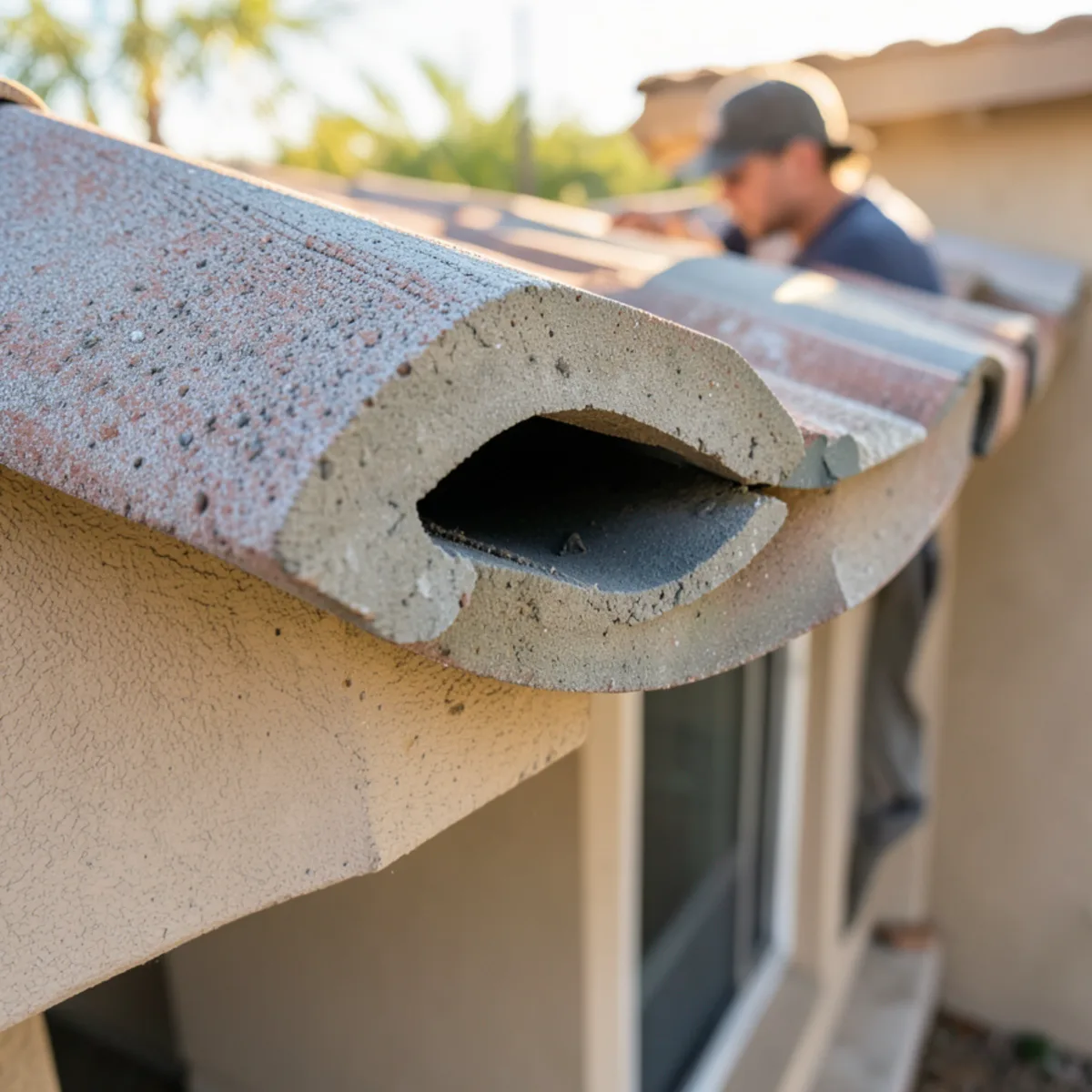
- Attic access and roof type. Tile roofs take more checking.
- The number of trees touching the house.
- How many traps and return trips are needed.
- Whether neighbors' yards are feeding the same animals.
- Whether you want gaps closed, which is a separate talk about rodent exclusion.
Older Tempe lots tend to take more work than newer ones, since big citrus and palms reach the roof and alleys link one yard to the next. Season plays a part too. The county says rats are most active November through May, the same months attic noise and ripe fruit peak. A skirted palm usually needs a tree service, which is a separate bill. Two-story homes and steep roofs take longer to walk. If insulation is torn up or wiring is chewed, a roofer, insulation company or electrician may be needed, and those costs sit outside pest work. Ask your neighbors too, since rats using several yards can keep traps busy for longer.
Keeping rats off the roof, and why call Kekoa
Extension advises pruning trees and shrubs 24 inches from the house, with no branches over the roof. Thin dense vines. Remove old palm fronds. Pick citrus when it ripens, and collect anything that drops. Do not leave pet food or bird seed outside at night.
Reporting roof rats: what the county and cities do
Residents can file a report with Maricopa County Vector Control, which investigates all roof rat complaints to find the responsible party. It does not hand out bait stations or traps, so a report helps track the rats without removing them. The City of Mesa sends its residents to the county as well. Rats that use several yards are nobody's sole fault, so share what you find with neighbors, since one pruned tree only goes so far. If you rent, tell the manager in writing and check who the lease makes responsible. Before you hire any company for rat work, it is reasonable to confirm it holds the Arizona pest management license through the state's search page.
Why homeowners call Kai:
- Reviews describe traps set and every catch cleaned up afterward.
- He is the owner, and he comes himself.
- Customers say he is thorough and takes time to explain prevention.
- A day-before reminder is common in reviews, which helps when he needs attic access.
- He treats inside and out, so the attic and the yard stay in one conversation.
- Reviewers report he is on time, which matters when traps need checking on a schedule.
Kai covers Tempe plus Mesa, Phoenix and Scottsdale.
5.0★ from 54 Google reviews
What customers say about roof rat control with Kai
“Since working with him, we’ve seen a huge improvement—especially with eliminating scorpions from our yard. Highly recommend!”
“Kai did a great job with rodent extermination at my In-Laws house. He was professional and timely with setting the traps and cleaning up after each one was captured, two in total.”
“We have had monthly pest control services which have kept the scorpions and other bugs away, as well as mice and hornet abatement on a few occasions.”
Roof Rat Control: common questions
Why do roof rats favor citrus trees?
Fruit, cover and height. University of Arizona Extension says they are especially fond of oranges and leave an empty rind hanging. Dense evergreen trees also shelter them. In older Tempe yards, mature citrus next to the house gives them a food supply with a bridge to the roof. Tangerines start as early as September, per Extension.
How do I know it's roof rats and not mice?
Look up, and measure. Roof rats are 7 to 8 inches in the body with a tail longer still, while mice stay tiny. Their droppings run a quarter to half an inch, about twice a mouse's. Noise overhead at night, hollow fruit and smudges high on rafters all point to rats, according to University of Arizona Extension.
What can I trim or remove to discourage roof rats?
Trim anything that connects the yard to the house. University of Arizona Extension says to prune shrubs and trees 24 inches from structures and keep branches off the roof. Remove old palm fronds, which can hide nests. Pick fruit promptly. You do not need to cut down the tree, since Extension says that will not reduce numbers.
How do roof rats get into attics?
They climb, then squeeze. University of Arizona Extension says they travel along trees, vines and utility wires, and can fit through a hole the size of a dime. On a Tempe home, that means gaps at tile roof edges, gable and soffit vents, and pipe and wire penetrations. Maricopa County also notes they can gnaw through wood and plastic.
When are roof rats most active in Maricopa County?
November through May. Maricopa County and University of Arizona Extension both name those months, and that lines up with backyard citrus ripening. They do not vanish in summer, though. Extension says they breed year round in warm low desert areas. Winter noise in a Tempe attic is the most common way people first notice them.
Should I report roof rats to the county?
You can. The City of Mesa directs residents to Maricopa County Vector Control, and the county investigates roof rat complaints through its online portal. That helps track where they are. It does not take the rats out of your attic, though, so if they are already inside, call Kai as well and describe what you are hearing.
Where we offer this
- TempeAlleys and big citrus in older neighborhoods give rats a route along the block walls.
- MesaThe city lists hollowed citrus, attic noise and gnawed eaves among its roof rat signs.
- PhoenixArcadia's citrus dates to 1919, and its mature yards still feed rats.
- ScottsdaleArcadia runs into Scottsdale, bringing its old citrus yards across the city line.
- Paradise ValleyCounty advice to clear fallen fruit and trim palms fits mature one-acre yards.
- Litchfield ParkOld Litchfield Road's very tall palms can hide nests where old fronds stay on.
- YoungtownThe county says rats enter through nickel-sized gaps, a concern on older retirement homes.
- Citrus ParkIrrigated lots here report through the county form, and the county supplies no traps.
Talk to Kai about roof rat control
Call first. You will reach the owner, not a call center.
Kekoa Pest Control, 2407 E Wesleyan Dr, Tempe, AZ 85282, (209) 563-1650
- 5.0★ on Google (54 reviews)
- Family owned, owner operated
- Serving since 2022