
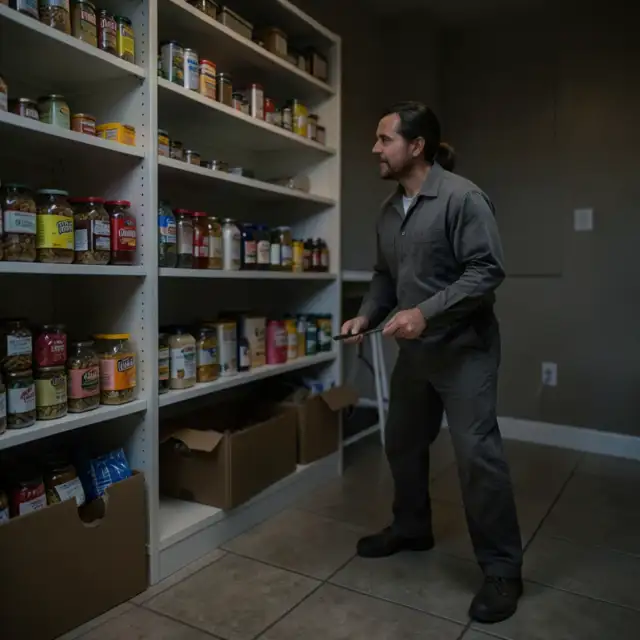
Mice Control in Tempe, AZ
Mice control in Tempe, AZ is mostly about placement: traps along the walls mice actually run, then finding how they got inside. Customer reviews describe Kai placing the traps and clearing each mouse himself, and one mentions mice handled as part of monthly service. Call and tell him where you are seeing signs.
- 5.0★ on Google (54 reviews)
- Family owned, owner operated
- Serving since 2022
One mouse in the garage is a nuisance. Mice in the kitchen are a food problem, because they spoil far more than they eat. This work is part of Kai's rodent control service, and it is one of the simpler rodent jobs when the traps go in the right spots and the way in gets found.
Mice control in Tempe starts with these signs
Most people find evidence before they see the animal.
- Droppings 1/8 to 1/4 inch long and pointed at both ends, per University of Arizona Extension.
- A strong, stale urine smell in a closed cupboard or garage shelf.
- Chewed cereal boxes, dog food bags and paper.
- Small nests of shredded cardboard, cloth or insulation in hidden spots.
- Scratching in walls at night. Louder thumps overhead suggest roof rats instead.
A simple test: dust a little talc or unscented powder along a wall. Extension says tracks in dust or powder confirm activity. House mice also weigh under an ounce, and their tail runs about as long as the head and body together. A large rat-sized animal with a furry tail near desert plants is more likely a pack rat.
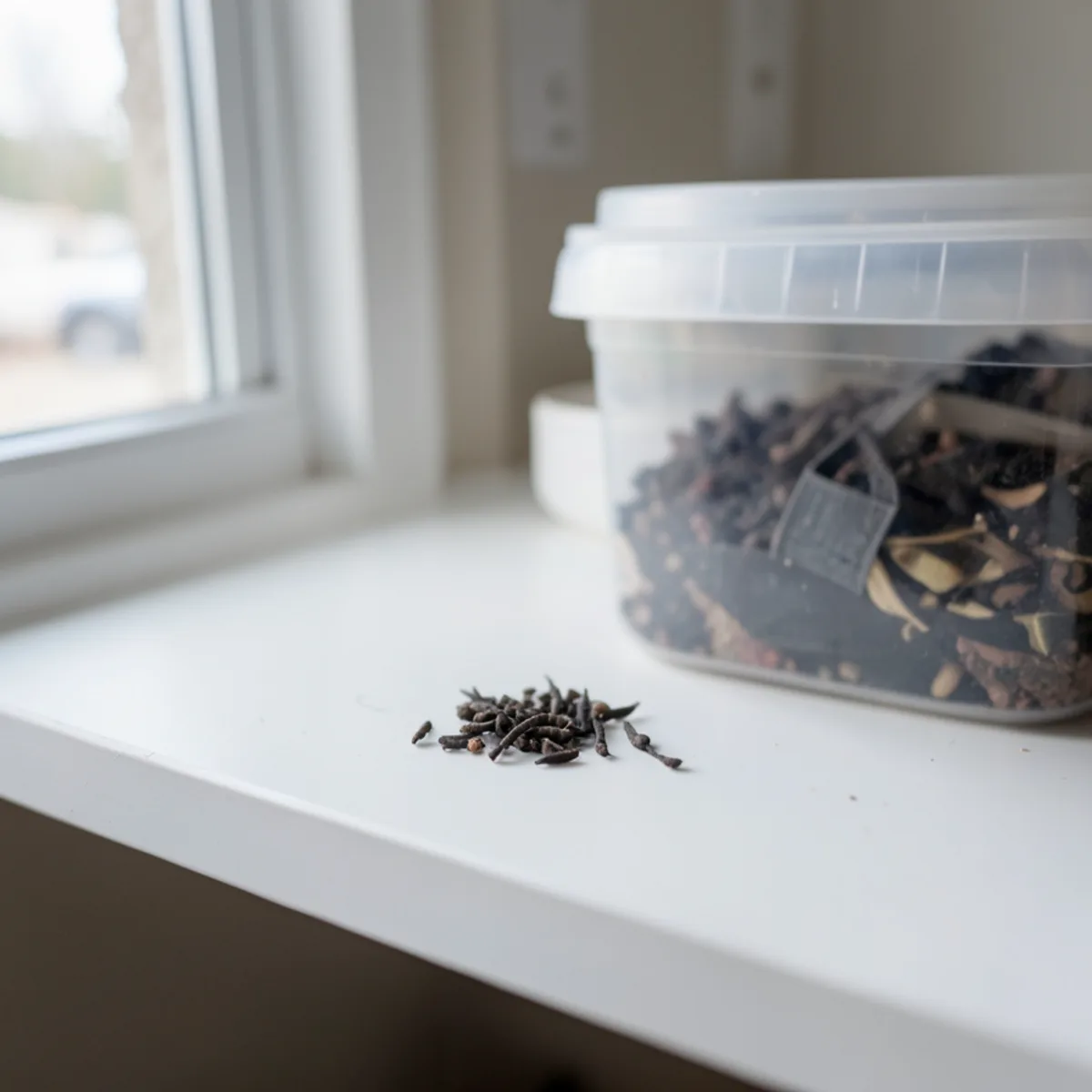
Why mice in the garage become mice in the kitchen
East Valley garages have everything a mouse wants: cardboard boxes, bird seed, pet food in bags and warmth from the water heater. Extension says house mice try to move indoors as weather cools, and they nest close to food.
From there, the path into the house is short. The door from the garage may have a gap at the bottom. Pipes under the sink pass through drywall. Mice breed year round in favorable conditions, so an unnoticed garage nest can become a whole-house issue.
Block construction helps less than people think. The walls are solid, but the openings are not. Extension says a quarter inch gap is enough for a young mouse, and utility lines deserve special attention. Likely spots include:
- Corners of garage doors where the seal has worn.
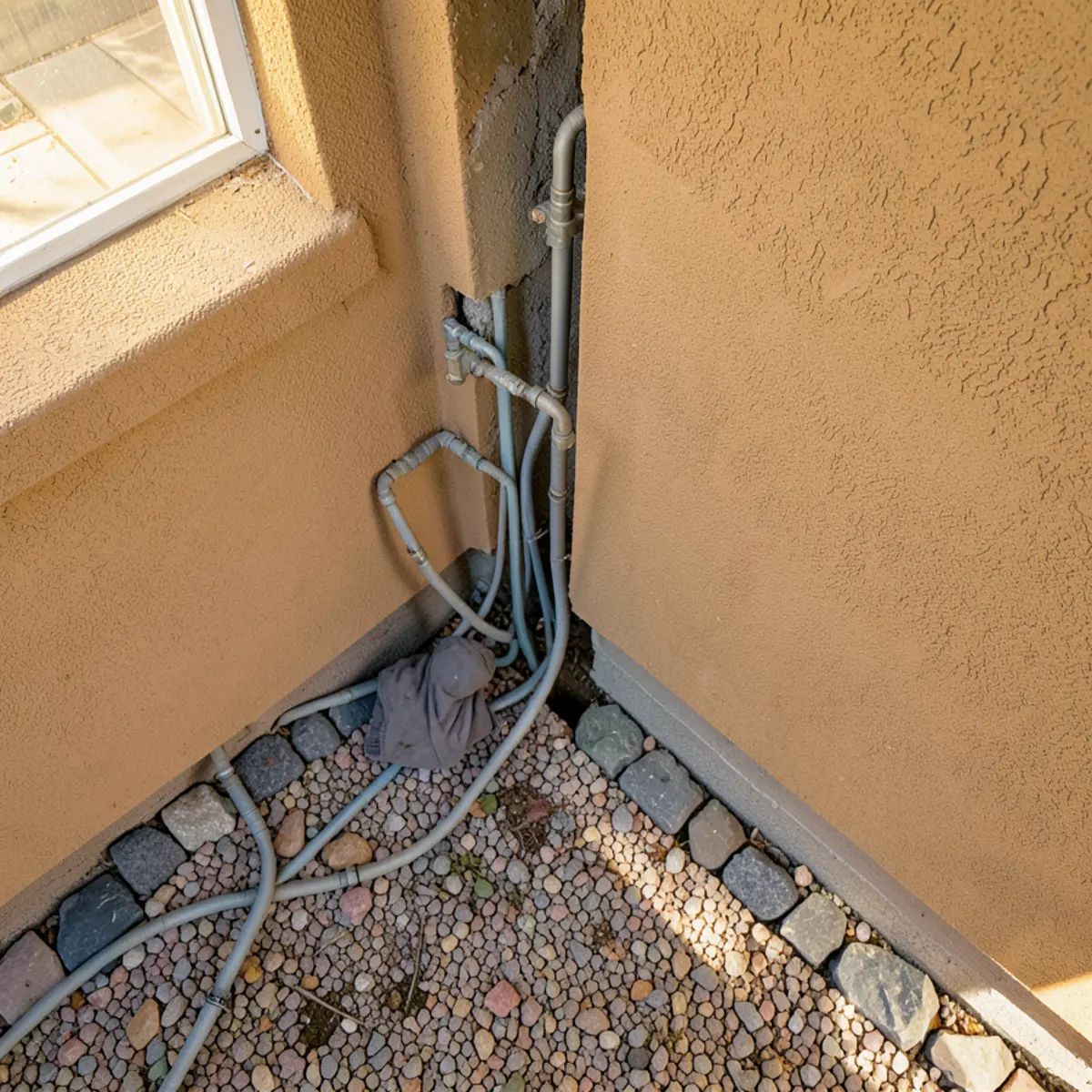
- The weep screed line at the base of stucco. Extension says to screen these openings and never plug them, since they have to keep draining.
- Holes around AC lines, hose bibs and cable.
- Dryer vents with missing flaps.
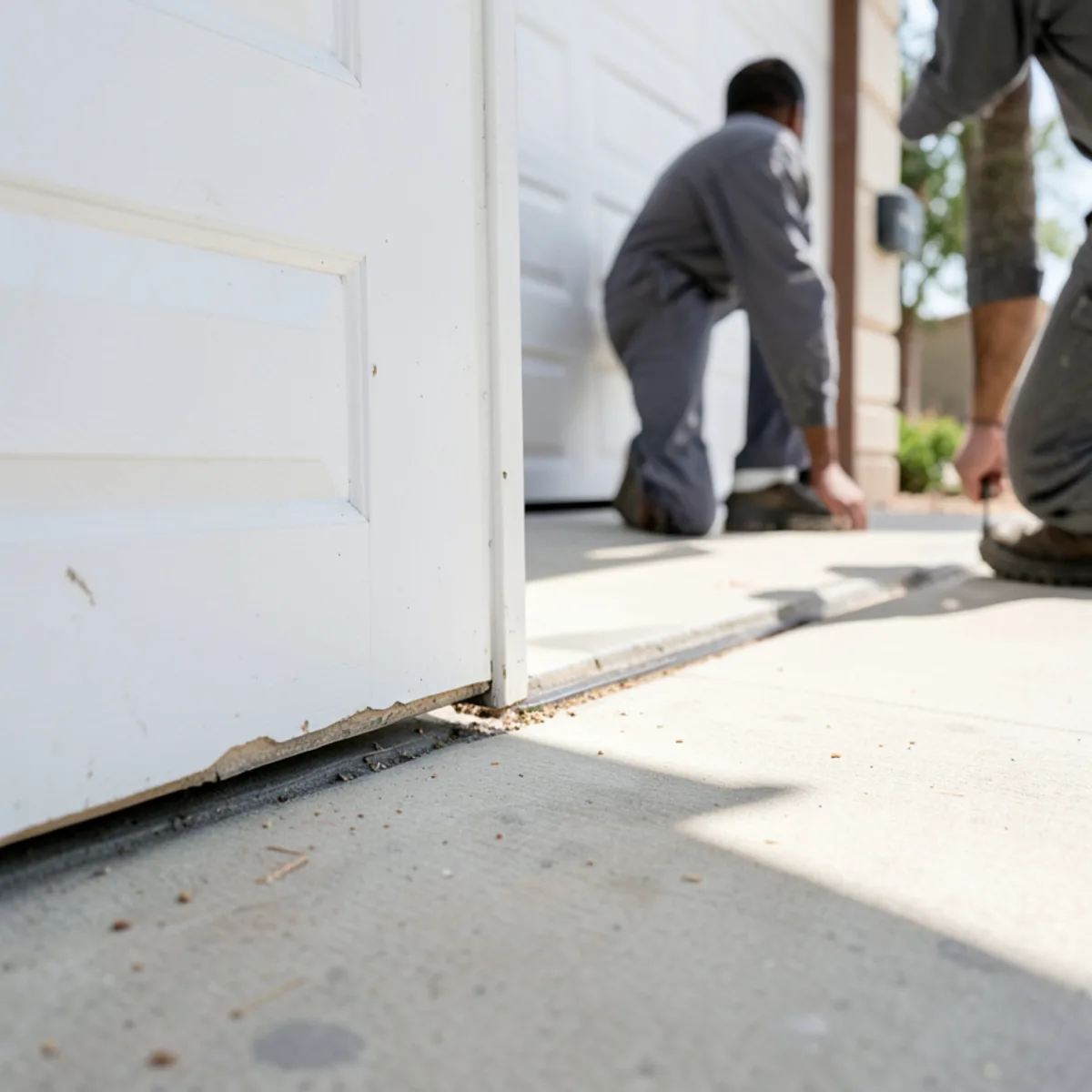
What mouse control from Kai covers
Mice are the simplest rodent job here, as long as one trap behind the fridge is not mistaken for a plan. The work is placing enough traps on the routes mice really use, then coming back. Reviews show Kai looking after traps and cleaning up after each catch, and one long-time customer reports mice handled alongside monthly service. Trapping is the core of the job. Sealing is a separate question, because rodent exclusion is something he decides case by case. Old droppings stay with you unless you agree otherwise, so read CDC's method further down.
The job normally covers:
- Inspecting kitchens, garages, laundry areas and plumbing closets.
- Walking the outside wall along the ground.
- Placing traps on active routes, out of reach of kids and pets.
- Coming back to clear each catch and reset traps.
- Pointing out droppings, food sources and clutter.
- A list of likely entry points.
How Kai inspects a mouse problem
He follows the evidence backward. Droppings show where they feed. Rub marks and runways show how they travel. Those routes lead to a nest and then to a way in. He checks kitchens, the garage, laundry areas, closets with plumbing, and the outside wall along the ground. Reviewers say he treats inside and out and explains as he goes, so ask questions.
Mouse trapping service versus other options
No single tool does everything. Here is the honest comparison. Traps are what reviews show Kai using; the rest is listed for general reference.
| Option | Upside | Downside |
|---|---|---|
| Snap traps along walls | Quick, and the catch is removed | Poor placement catches nothing |
| Glue boards | Simple to place | Animal may be alive when found |
| Rodenticide bait | Reaches hidden animals | Non-target risk, smell if one dies in a wall |
| Ultrasonic plug-ins | Easy | Not something to rely on |
| Sealing gaps | Stops the next mouse | Traps inside first or mice stay trapped indoors |
Extension says baits and trapping give short-term control, and that exclusion and habitat changes last longer. So a good job does both, in order.
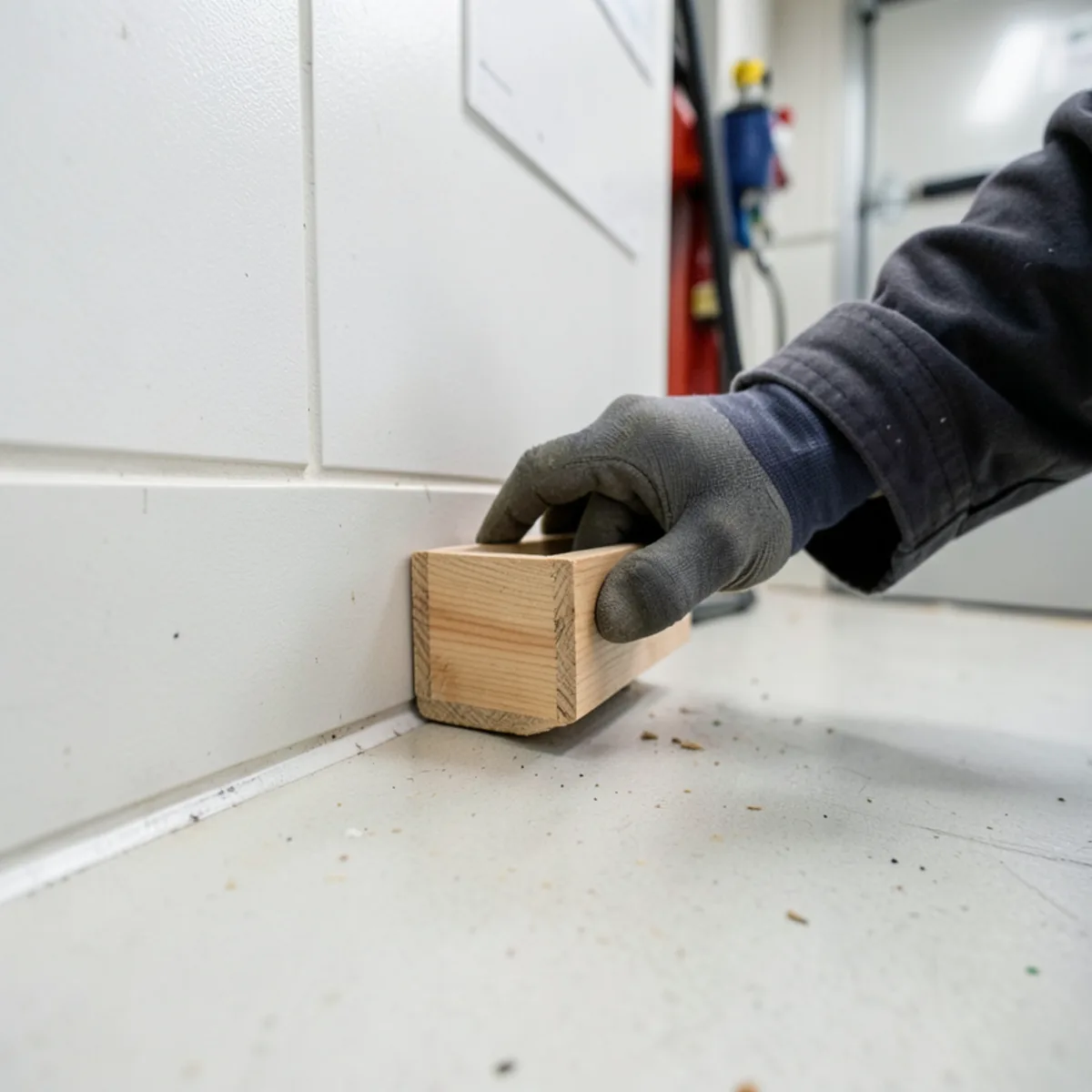
Steps in a mouse visit
- You tell Kai where you have seen signs and when.
- He inspects the kitchen, garage and utility areas, then walks the outside.
- He places traps along the routes, out of reach of kids and pets.
- He returns to clear what they caught and resets them if needed.
- He points out food, clutter and gaps that are feeding the problem.
- When activity stops, he tells you what he would do to keep it that way.
You get the traps placed and cleared, droppings pointed out so you can clean them properly, and a list of the likely entry points.
Prefer to write? Request a quote
Calling is fastest. If you are on a job or at work, leave your details and Kai will get back to you.
How long does it take to get rid of mice in Tempe?
Small problems can end quickly, once the traps are on the right routes. Bigger ones take longer, because each room and nest has to be worked through. Activity should fall off as catches drop, and you will hear from Kai what is realistic for your house.
When it is over, clean up carefully. CDC says not to sweep or vacuum droppings, since that can raise virus-containing droplets. Air the room for 30 minutes, wear gloves, soak with disinfectant or a bleach solution for 5 minutes, then wipe it up with paper towels. Anything nibbled gets thrown out.
Deer mice, native mice and the rules around them
Not every small mouse here is a house mouse, and that changes things. AZDHS names the deer mouse as the host of Sin Nombre virus, and says not to dust, sweep or vacuum where rodents have been. Extension says native rodents are nongame mammals protected by state law, so a mouse outdoors is usually left alone while one in the pantry is a different matter. Maricopa County's published rodent work centers on roof rats, so mice in your home are yours to deal with. If you rent, tell the manager in writing, since the lease decides who pays.
What does mouse removal cost?
No flat price is posted. What affects it:
- How many rooms show activity.
- The number of traps and return checks needed.
- How much of the garage or storage has to be worked around.
- Whether gaps need attention, which is separate work.
- Whether you are already on monthly service, as one customer who mentions mice was.
Most of this comes down to how far the mice have spread and how easy the house is to work. A tidy Tempe garage with one active corner is a short job. A garage packed to the ceiling hides runways, and clearing it first may save return trips. Attached garages connect to the kitchen, which can widen the search. Older homes with worn door seals tend to keep letting new mice in, so catches can continue until those are fixed. If you store bird seed, feed or pet food in bulk, say so on the phone, since it tells Kai where to start. Anything nibbled gets thrown out, which is a cost of its own if a pantry is involved.
Staying mouse-free, and why Kekoa
Store bird seed and pet food in metal or glass. Extension notes plastic is not ideal, since rodents can chew through it. Keep boxes off the garage floor. Repair leaks. Get the door sweeps and garage seals fixed, or read about rodent exclusion for the larger picture.
Reasons to call Kekoa for mice:
- Reviewers say the trap work and the mess stay his job, not yours.
- One long-time customer mentions mice being handled on a few occasions alongside monthly service.
- He shows up on time, according to multiple reviews.
- He explains what is going on rather than selling you something.
- A reminder comes the day before, so you can clear the spots he needs to reach.
- One long-time customer says rates have not been raised, which is worth knowing if mice lead you to regular service.
Kai is based in Tempe and also works in Chandler, Gilbert and Sun Lakes. If you are comparing companies, you can look up any pest management license through the Arizona Department of Agriculture.
5.0★ from 54 Google reviews
What customers say about mice control with Kai
“We’ve been so impressed with our pest control service! Kai is always professional, punctual, and extremely knowledgeable. He takes time to explain what he’s doing and makes sure we understand how to prevent future issues.”
“When we moved into our home, we had a scorpion infestation.These guys knocked it out in no time haven't seen a scorpion since! (With regular monthly service)”
“Kai did a great job with rodent extermination at my In-Laws house. He was professional and timely with setting the traps and cleaning up after each one was captured, two in total.”
Mice Control: common questions
How do mice get into a block home?
Through the small gaps that block walls do not cover. University of Arizona Extension says a quarter inch gap, about a pencil's width, admits a young mouse. On a Tempe block home, look at the garage door corners, weep screeds, and where AC lines, water pipes and cable enter. Doors left open on cool evenings work too.
How many mice do I likely have if I've seen one?
There is no reliable number from one sighting. Extension says mice have extremely high reproductive potential and breed year round in good conditions. So treat one sighting as a reason to look. Fresh droppings in several rooms suggest more than one. Kai judges numbers from what he finds at your home, not from a formula.
Who checks and empties the traps?
Kai does. Reviews describe him looking after the traps from start to finish, so you do not have to handle them. Ask when you call how the return checks will be scheduled around your week. If you notice a caught mouse between visits, phone him rather than moving the trap with bare hands.
Why do I have mice now when I never did before?
Extension says house mice try to move indoors as the weather cools, so fall and winter nights can bring them in. Other triggers include stored bird seed or pet food, new construction nearby, or a garage door seal that has worn out. In the East Valley, fall is a sensible time to check those things.
Are the small mice in my yard house mice?
Not always. Arizona has native mice too. Extension says native species generally have whitish underparts, including under the tail, and larger eyes and ears, while house mice are a more even grayish brown. Native rodents outdoors are usually left alone. Tell Kai what you saw and where, and take a photo if you can.
Where we offer this
- TempeGarages on older streets often combine cardboard, bird seed and a worn door seal.
- ChandlerWith a reported median build year of 1997, many garage seals have spent years in hard sun.
- GilbertAgritopia-style farm plots beside homes keep cover close to the garage door.
- Sun LakesBuilt on farmland from 1972 on, its older homes have door seals worth a look.
- MesaOlder west side streets tend to show more wear at doors and utility lines.
- Queen CreekHomes against Rittenhouse farm ground are a short run from cover for mice.
- CoolidgeFarm parcels sit right beside homes here, so mice have short trips indoors.
- MaricopaOld farmland became tract homes fast, leaving field edges near garages.
- Apache JunctionMice use the dark space under manufactured home skirting, then find the utility cutouts.
Talk to Kai about mice control
Call first. You will reach the owner, not a call center.
Kekoa Pest Control, 2407 E Wesleyan Dr, Tempe, AZ 85282, (209) 563-1650
- 5.0★ on Google (54 reviews)
- Family owned, owner operated
- Serving since 2022