
Rodent Control · By Kai Horner, owner of Kekoa Pest Control · Published · Updated
Roof rats were first identified in a Phoenix neighborhood in 2001, and they have made themselves at home among older citrus and palm trees. Cooler nights change where they spend their time. If you already hear something in the attic, go to our rodent control overview first. If the house is quiet, this is a good month to keep it that way, while ladder work is comfortable.
Why fall is the right time to seal up
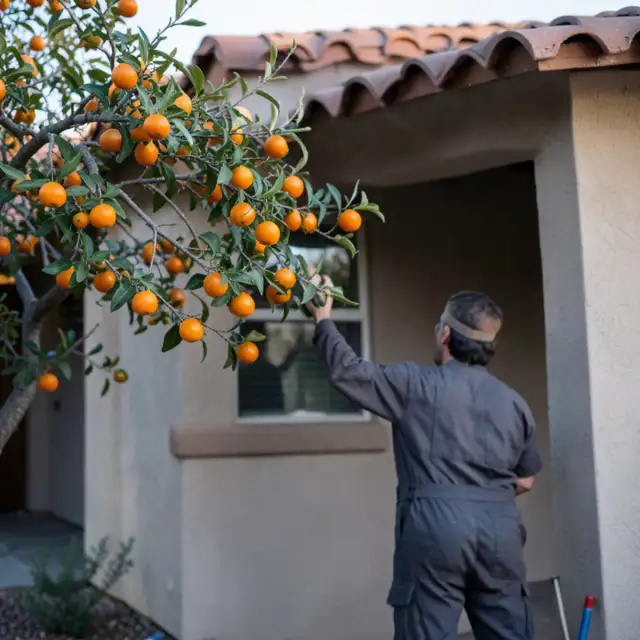
Roof rat activity climbs from November through May in low desert cities, by Extension's account, even though they never fully stop. That season lines up with ripening fruit. Tangerines can be plentiful as early as September, and backyard citrus keeps the supply going through winter.
Gaps matter more than most people think. Extension gives these sizes.
| Opening | What can get in |
|---|---|
| ¼ inch, about the diameter of a pencil | Young mice |
| ½ inch | Young rats |
| The size of a dime | Roof rats, according to Extension's 2024 handout |
Seal everything you can reach, and do not reason that a gap looks too small to matter. Also keep expectations honest. Extension calls full exclusion difficult but still recommended, because roof rats climb well and fit through very small spaces.
Rodent proofing checklist: roofline and attic
Rats travel overhead, so start up top. Use a helper on any ladder, and hire out work you are not comfortable with.
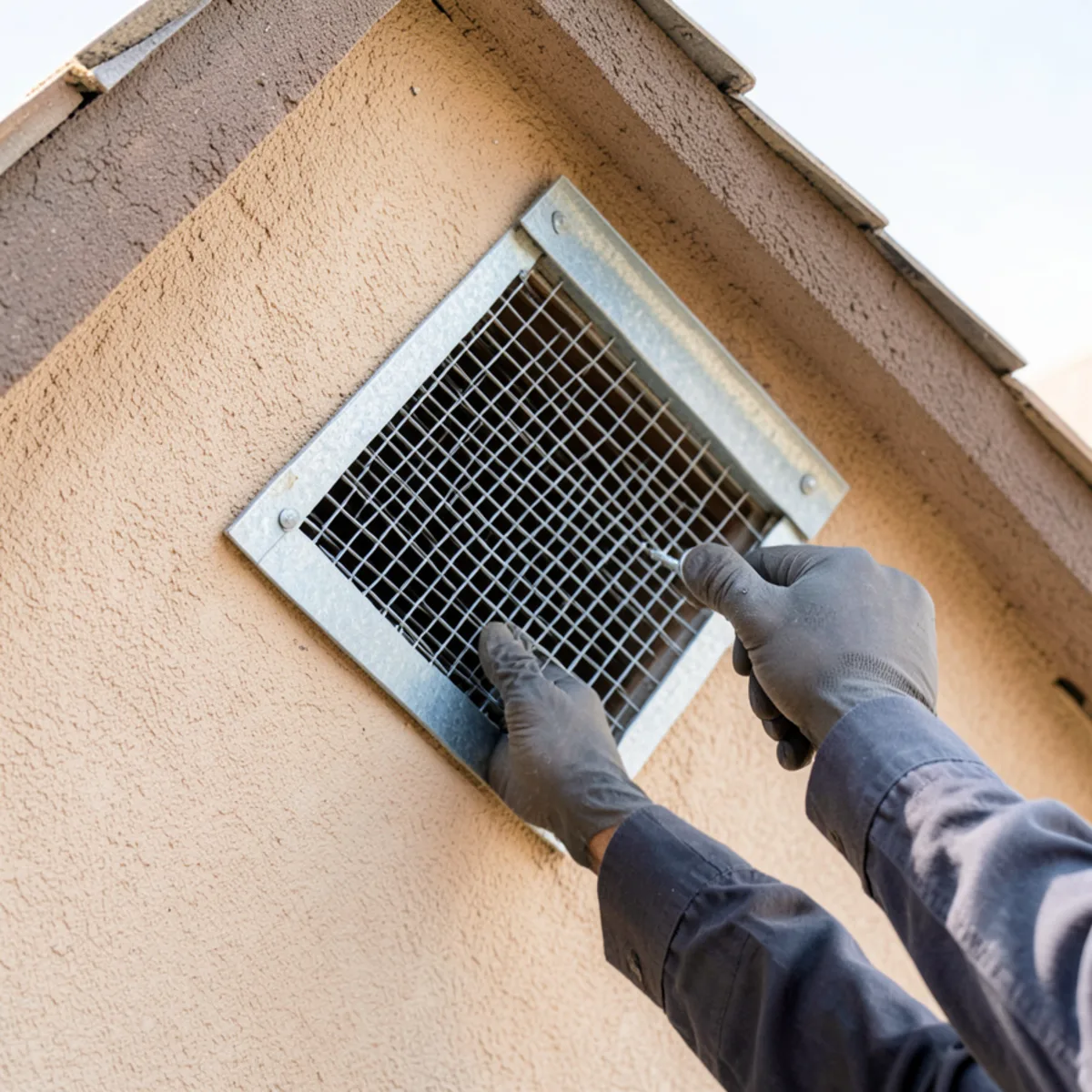
- Cover attic and foundation vents with ¼-inch wire mesh, and check for rust or damage.
- Inspect eaves, soffits and fascia for gnaw marks and gaps.
- Look at every point where pipes or wires enter the roofline.
- Screen roof sewer stacks, as Maricopa County advises.
- Check roof tile ends for gaps and any bird stops that have come loose.
- Fit metal flashing where rats could chew at a corner or along the roofline.
- Remove vines growing on the house or fences.
Sounds in the attic are often the first sign of roof rats, according to Extension. Listen at night when the house is quiet, and look with a flashlight for droppings and rub marks.
Signs that rats are already up there
Maricopa County's list is worth a slow read before you seal anything, because shutting a rat in creates a new problem.
- Rats on power lines, in trees or on patios
- Citrus hollowed out and left hanging
- Noises in attic and walls
- Gnaw marks around eaves
- Damaged plastic coverings on wires
- Pets acting unsettled
Check the tail if you get a look. Extension says a roof rat's tail is hairless, scaly and longer than its head and body. A pack rat's tail is hairy and shorter, which matters on desert-edge lots because the two call for different thinking.
Seal rodent gaps along the walls
Next, walk the house at ground level. Maricopa County says to look near water heaters, laundry appliances, dishwashers and under sinks, as well as outside.
- Seal openings ½ inch or larger with mortar or other solid material.
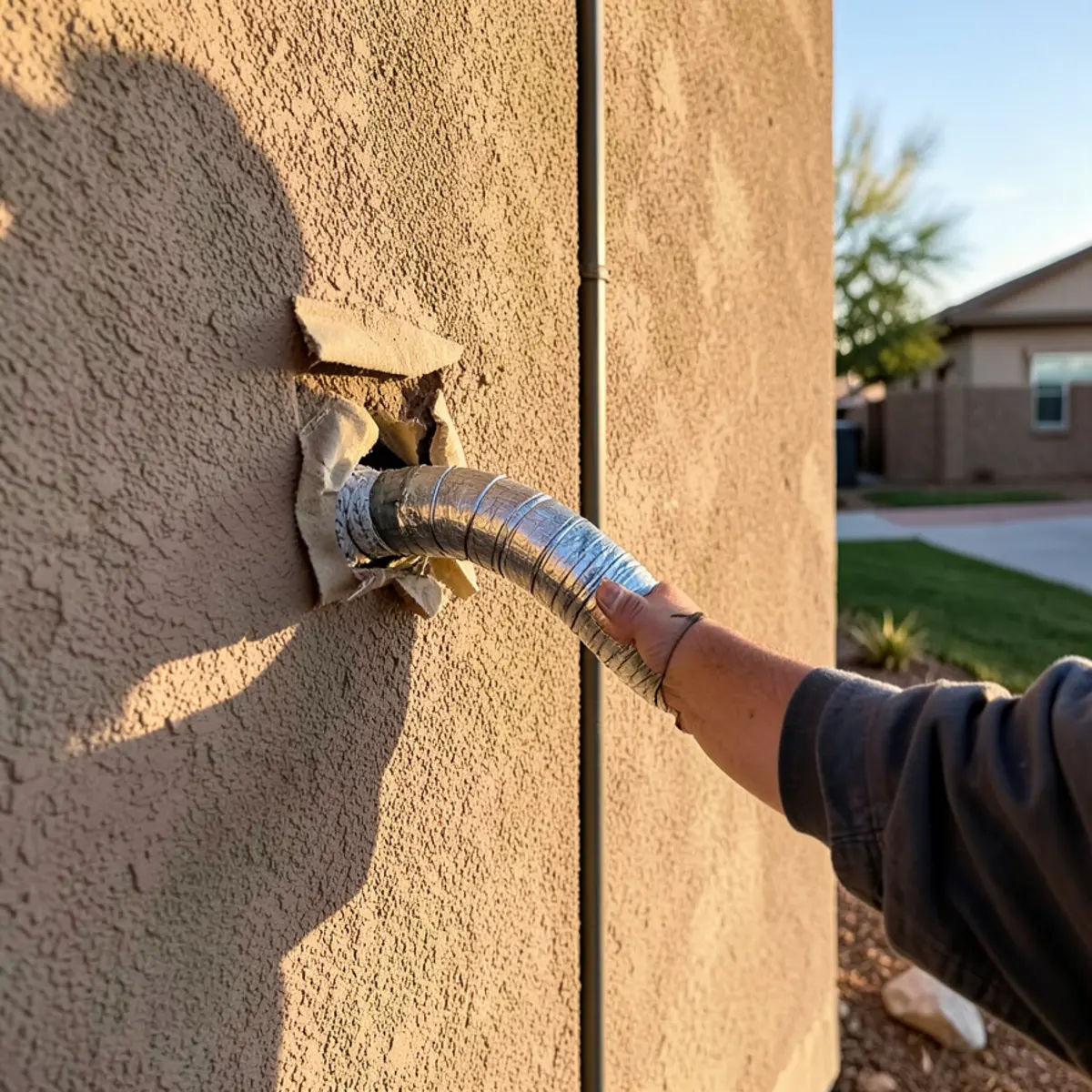
- Fill or pack the air conditioning line cover. The county suggests steel wool or copper mesh.
- Caulk cracks around water heater, washer and dishwasher lines.
- Check the foundation and any vents near ground level.
- Use stucco diamond mesh on larger holes. The county says rats find it hard to chew.
- Inspect pet doors, which Extension names as an entry point.
Choose the material with care. Extension's pest-proofing guide says stuffing copper wool or steel mesh into a gap gives only temporary protection, and that soft fills such as cloth will not hold. Use cement, mortar or a suitable sealant for a lasting fix.
Garage and door checks
Garage doors that fit poorly are one of the usual ways in.
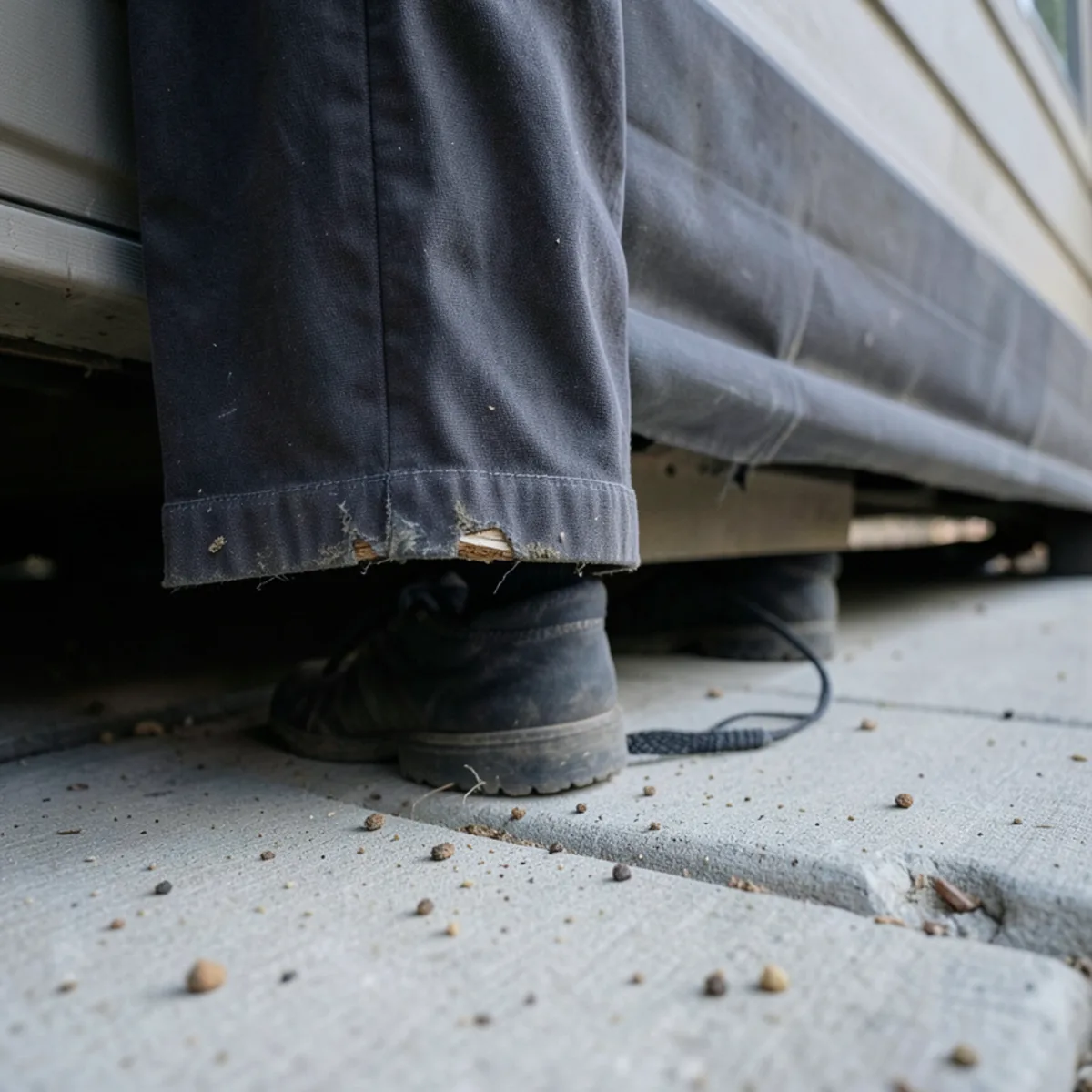
- Replace worn or gnawed bottom seals.
- Close gaps at the corners of the door.
- Keep the door closed at night.
- Fit sweeps on the door between the garage and the house.
- Move stored pet food, bird seed and grass seed into sealed metal or heavy plastic bins.
- Stack stored items off the floor and away from walls so you can see behind them.
- Clear food and wrappers out of parked cars. CDC warns rodents get into vehicles through ducts and cable conduits.
Yard work that removes roads and food
Sealing is half of the job. The other half is making your lot less useful.
- Trim branches so they do not touch the roof, walls, fences or overhead wires.
- Clean up palm crowns and remove dead fronds. The county says rats turn to queen palm fruit in summer, once citrus runs out.
- Pick citrus on time and clear fallen fruit promptly.
- Keep trash in closed containers.
- Take pet food in after dark, and bring down bird feeders if rodents use them.
- Fix leaks and drips, and remember that pet dishes, bird baths and ponds also supply water, along with sprinkler heads and AC condensate lines on the county's list.
- Stack firewood a foot from walls and 18 inches off the ground.
Extension's 2024 handout says removing trees or specific plants will not reduce rat populations or stop new rats arriving, so skip the chainsaw and keep up with pruning.
If you find droppings while you work
Do not sweep or vacuum them. CDC says that can spread contaminated particles into the air. Open up the space for 30 minutes and leave while it airs. Then wear gloves, spray droppings with disinfectant until very wet, wait for the time on the label, and wipe with paper towels. CDC's bleach mix is 1.5 cups in a gallon of water, made fresh, left for 5 minutes. A dead rat goes in a knotted plastic bag inside a second knotted bag. Wash your gloved hands before removing the gloves, and wash your hands again after. Maricopa County reports that roof rats tested here have been negative for hantavirus, plague and tularemia so far, but clean up with care anyway.
How Kai looks at rodent problems in fall
Traps deal with the rats you have. Sealing and habitat changes deal with the ones to come, and University of Arizona Extension treats those as separate jobs. If there is activity now, trapping comes first. One customer described Kai as timely about setting traps and cleaning up after each catch. Maricopa County points to one reliable spot: look for scratch marks on the insulation where the AC line enters, and set a snap trap there.
The order matters, and it is the part people skip. Seal a house with rats still inside and they will gnaw a new way out, or die somewhere you cannot reach. So finish trapping, wait for quiet nights, then close the last openings.
There is a cost trade-off too. Sealing takes more time up front than a few traps, and on a tile roof it can be slow work. Trapping alone looks cheaper until the next rat arrives from the same citrus row. If you only do part of this list, do the roofline and the AC line first. If a neighboring property is the source, the county's Environmental Services Complaint Form is the route for a report.
Exclusion depends on the house, since roof tile, older eaves and block walls all behave differently. Read about rodent exclusion and ask Kai on the phone whether that kind of work is something he takes on at your address.
Roof rat pressure is not the same on every street. Older citrus neighborhoods tend to get it first, and homes in Gilbert and Queen Creek that back onto mature trees or farmland should still run this list.
If you have started this list and found droppings or gnaw marks, call (209) 563-1650 and ask Kai where he would begin.
Sources
- University of Arizona Extension, AZ1775: Roof Rats: Identification, Ecology, and Signs
- University of Arizona Extension, AZ1280: Roof Rat Control around Homes and Other Structures
- University of Arizona Extension: How to Identify and Discourage Roof Rats
- University of Arizona Extension, AZ1677: Pest-proofing Your Home
- Maricopa County Vector Control: Roof Rats
- CDC, How to Clean Up After Rodents
About the author
Kai Horner owns and runs Kekoa Pest Control, a family-owned pest and weed control business based in Tempe, AZ, serving the East Valley since 2022. More about Kai