
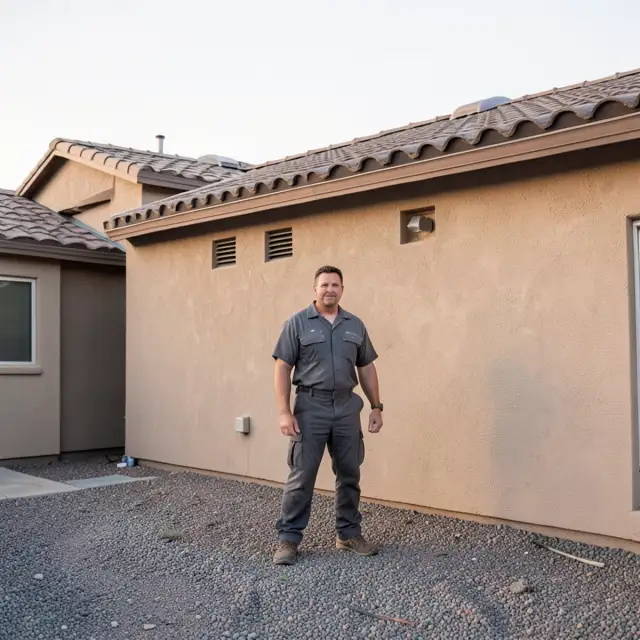
Rodent Exclusion in Tempe, AZ
Rodent exclusion in Tempe, AZ means finding the gaps mice and rats use and closing them with materials they cannot chew through. University of Arizona Extension calls this the long-term answer. The size of the job varies with the house, so talk to Kai about yours and whether he would handle it.
- 5.0★ on Google (54 reviews)
- Family owned, owner operated
- Serving since 2022
Traps deal with the rats you have. Exclusion deals with the next ones. It is the last part of rodent control, and University of Arizona Extension says exclusion and habitat changes provide an effective long-term solution where bait and traps give only short-term results. This page explains what proofing a home involves, so you can have an informed talk with Kai about your property.
Rodent exclusion in Tempe: how small is too small?
Smaller than most people think. Extension's figures are worth remembering:
- A quarter inch gap, the width of a pencil, lets in a young mouse.
- A half inch gap lets in a young rat.
- Extension's roof rat guidance says an opening the size of a dime is enough.
So sealing the big obvious hole rarely finishes the job. Every opening counts, from the ground to the roof. That is why mice control and roof rat control both end up looking at the same list of gaps.
Roof line rodent proofing: where Tempe homes leak
Local construction creates its own weak spots. Block walls and stucco look solid, yet the trouble is where one material meets another.
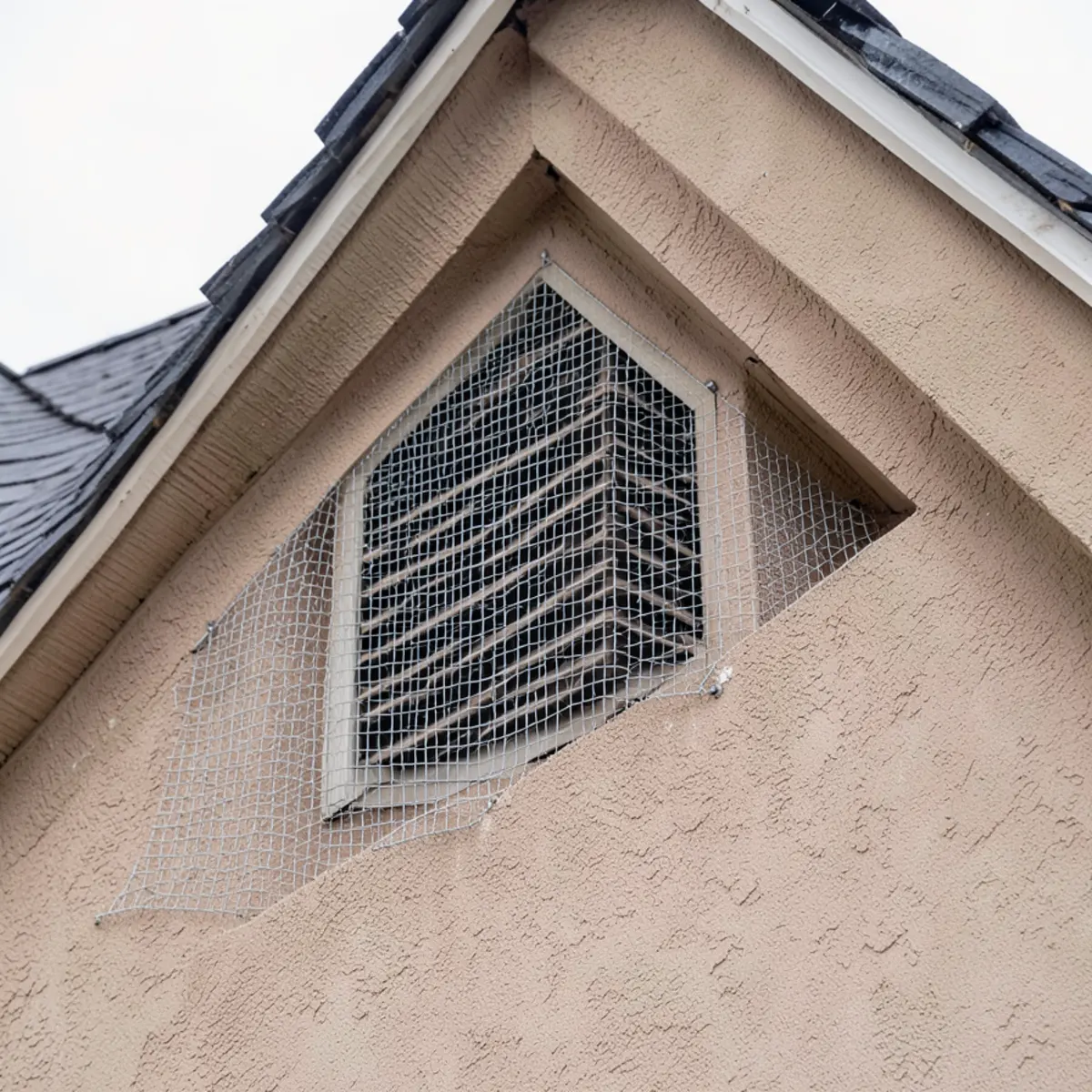
At the roof. Concrete tile roofs often have open tile ends at the eave. Gable and soffit vents, and the joint where a lower roof meets a higher wall, come next. Maricopa County lists vents and sewer stacks as things to screen.
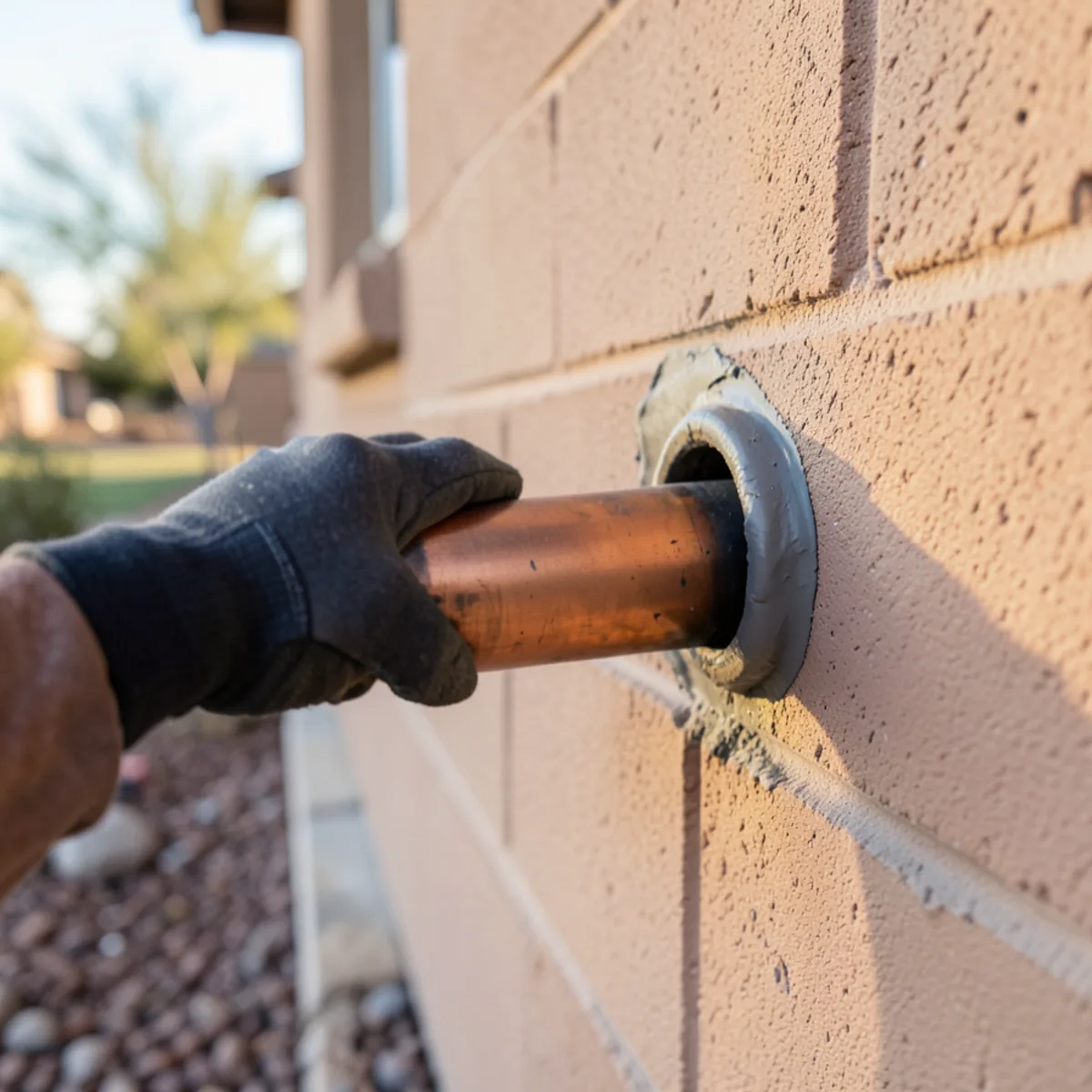
At the walls. Anywhere a utility passes through: AC lines, hose bibs, gas lines, cable and dryer vents. Extension says to pay special attention to these.
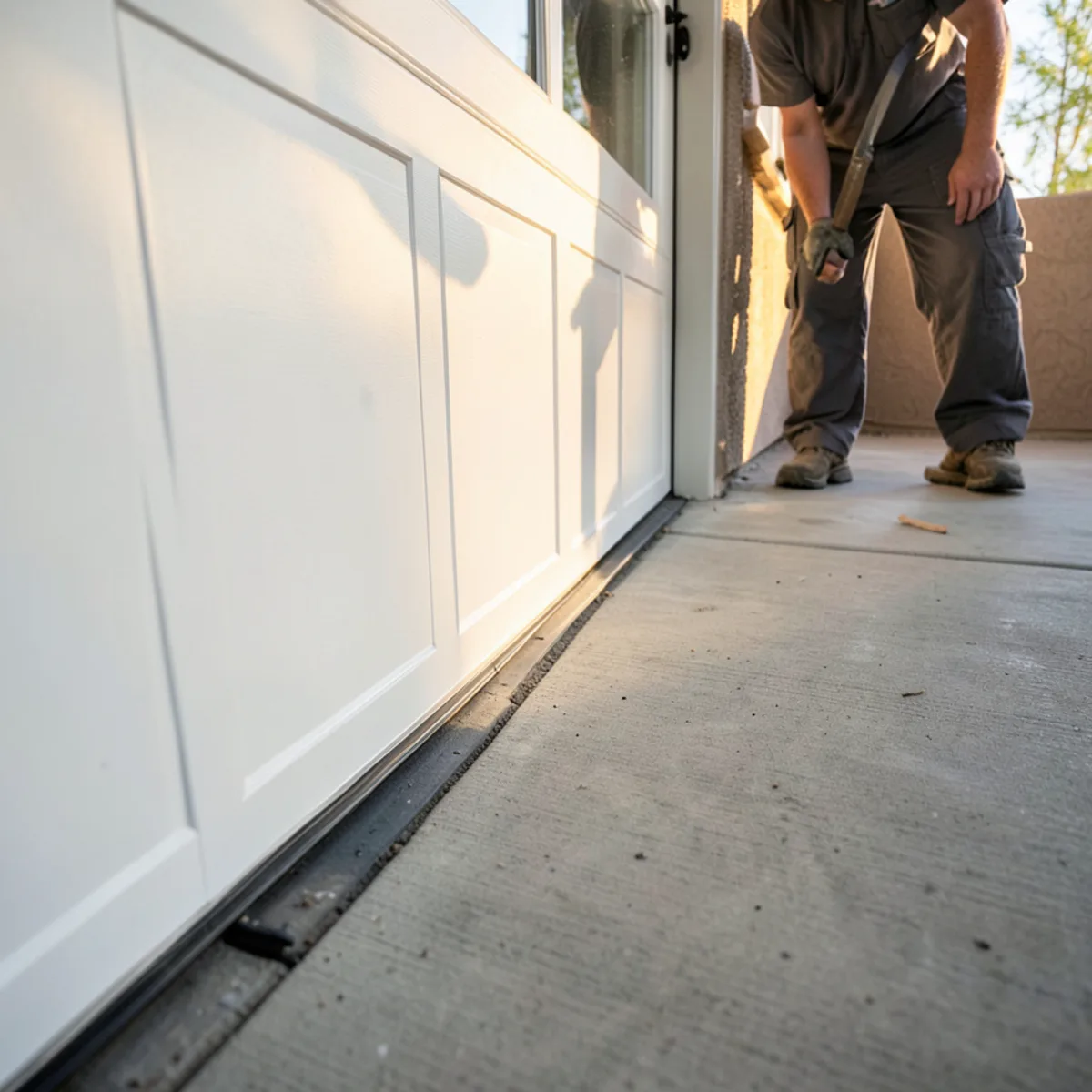
At the ground. Garage door corners and worn seals, gaps under exterior doors, and weep screed lines along the slab. Extension says weep openings get screened, never plugged, because they have to keep draining.
In the yard. Rats need a way up. Extension's rule of thumb is a 24 inch clearance between plants and walls, with nothing hanging over the roof. A citrus branch resting on a tile edge undoes a lot of good sealing.

How to seal rodent entry points: materials compared
Materials matter, because rodents chew. Maricopa County says roof rats can gnaw wood, plastic and even metal. Here is how the common choices compare.
| Material | Use | Trade-off |
|---|---|---|
| Quarter inch hardware cloth | Attic, roof and crawl space vents, per Extension | Must be fastened well; sharp to handle |
| Stucco diamond mesh | Larger openings, per Maricopa County | Needs a proper finish |
| Mortar or cement | Masonry gaps and block | Permanent, so getting it wrong costs more to fix |
| Silicone sealant | Fine cracks and around pipes | Extension lists appropriate types only |
| Steel wool or copper mesh | AC line covers, per the county | Extension calls stuffing it temporary |
| Foam or cloth | Quick fill | Soft fill will not stop a determined rodent |
Do not block attic ventilation with solid material. Vents need to breathe, so use mesh there, and treat weep screeds the same way.
What an exclusion visit could cover
Rodent exclusion is an unconfirmed offer on this site, so read this as what such a visit would look at. Kai decides home by home whether he would do the work, and a phone call comes first. The most useful part is often the survey itself, because you can hand the list to whoever does the repairs. Scope depends on the roof, the age of the house and how many openings show up. He may tell you that a small closure is something he can handle, or that a roofer or handyman should do it.
If he takes it on, expect:
- A check of the house from ground to roofline.
- A look at vents, tile ends, pipes and door seals.
- Notes on rub marks and droppings at each gap.
- A list of openings in order of priority.
- A suggested material for each one.
- A plain split between his work and another trade's.
How an exclusion check would run
Ask Kai first whether he would do this at your home. Some repairs belong with a roofer or handyman. If it fits, the work is likely to run in this order:
- Kai confirms what rodent is involved, since it changes which gaps matter.
- He walks the outside from ground to roofline, looking for gaps, rub marks and droppings.
- He checks the attic and garage from inside, where light shows through.
- He lists what he found, in order of priority.
- He tells you what he can close, and what needs a different trade.
- Trapping runs alongside until activity stops, then the last gaps are closed.
What you should come away with is a list of openings, the material suggested for each one, and who should do what.
Prefer to write? Request a quote
Calling is fastest. If you are on a job or at work, leave your details and Kai will get back to you.
Should you trap first, or seal first?
Do both, in the right order. Seal everything too early, and a rat is trapped in your attic. It may chew a new way out, or die somewhere you cannot reach. The usual approach is to identify the openings early, keep the main one open while traps work, then close it when activity stops.
Extension's advice supports the combination: use exclusion and habitat changes for the long term, and traps to remove what is inside. Read how this applies to rats on your roof if that is your situation.
What does rodent exclusion cost?
No flat price is posted, and it may vary more than any other rodent work. The factors:
- Number of openings and how high up they are.
- Roof type and access. Tile takes more care than shingle.
- Home size and age, since older homes tend to have more gaps.
- Materials needed for each opening.
- Whether repairs to damaged vents or stucco are part of it.
- Whether trapping is needed at the same time.
Tempe's housing spreads these factors widely. An older ranch home with a concrete tile roof, gable vents and worn door sweeps usually has more openings than a newer tract house, though new construction has gaps too. Height decides a lot: a gap at a garage door is a quick fix, while one under a second-story eave means ladders and more care. Damaged stucco or vents may need repair before mesh will hold. Pruning back 24 inches is usually a landscaper's bill. If you ask for the list first, you can price the repairs in pieces before committing to anyone.
Who can do the repair work?
Two licenses can apply here. Pest work for hire falls under the Arizona Department of Agriculture, and you can verify a license online. Repair work may fall under the Arizona Registrar of Contractors. A.R.S. 32-1121 exempts only casual or minor jobs under $1,000 that need no local building permit, and anyone relying on it must say "not a licensed contractor" in advertising. So a roof repair or new vent may belong with a licensed roofer. Ask any company which rule covers the work it quotes. HOA homes have a third check, since changes to the outside of a house may need approval, so read your CC&Rs first.
Upkeep and timing in the East Valley
Sealing is not a one-time event. Mesh pulls loose, sealant cracks in the sun, and new cable lines punch fresh holes. A look around the home once a year is worth it. Fall makes sense, since mice move indoors as it cools and Maricopa County says roof rats are most active from November through May.
Between checks, keep the habits going. Trim branches. Pick up fruit. Store pet food and bird seed in metal or glass. Close the garage door at night.
Why ask Kekoa about sealing up
- Kai will say plainly whether he should do the work, or whether someone else should.
- Reviews describe his trapping and cleanup, so both halves of the job can be discussed in one call.
- Reviewers say he explains how to prevent future issues, which is the whole idea here.
- Being a one-owner business, the person who looks at your home is the person you talk to.
- A reminder the day before gives you time to clear a path to the attic hatch.
- The Google listing says no sales gimmick, so a list you hand to someone else is a fair result.
5.0★ from 54 Google reviews
What customers say about rodent exclusion with Kai
“We’ve been so impressed with our pest control service! Kai is always professional, punctual, and extremely knowledgeable. He takes time to explain what he’s doing and makes sure we understand how to prevent future issues.”
“When we moved into our home, we had a scorpion infestation.These guys knocked it out in no time haven't seen a scorpion since! (With regular monthly service)”
“He responds to emergency situations immediately! And the best part of working with Kai is that he is the most genuine, friendly and competent contractor we have worked with in our 18 years in Sun Lakes!”
Rodent Exclusion: common questions
What size gap can a mouse fit through?
About a quarter inch, roughly the width of a pencil, for a young mouse. University of Arizona Extension gives that figure, and a half inch for a young rat. Extension's roof rat guidance also says openings the size of a dime will do. On a Tempe home, measure with a pencil: if it fits, a mouse may too.
Which entry points are most common on Tempe roofs?
Open tile ends at the eave, gable and soffit vents, roof-to-wall joints, and plumbing vents with loose flashing. Roof rats reach these by tree branch, wall or wire. Lower down, the AC line penetration is a frequent trouble spot. Maricopa County lists vents and sewer stacks among the things to screen, along with AC line covers.
Should exclusion happen before or after trapping?
Do the two together, with final sealing after activity stops. Seal too early, and a rat stays shut inside the attic, where it may chew out or die in a wall. So find the openings first, trap the animals inside, then close the last gaps. Kai will explain the order that suits your home.
Will steel wool keep rats out?
Only for a while. University of Arizona Extension says stuffing copper wool or steel mesh into gaps gives temporary protection, and advises cement, mortar or suitable silicone sealants for repairs. Maricopa County suggests steel wool or copper mesh in AC line covers and stucco diamond mesh for bigger openings. Soft fillers like cloth will not stop burrowing rodents.
Do I still need trapping if the house is sealed?
Not if nothing is left inside and the seal holds. But Extension says rodents gnaw, so seals need checking. Roof rats can chew wood, plastic and metal, according to Maricopa County. A quick look at vents and the roofline each fall is a sensible habit in the Valley, before the busy November through May stretch.
Where we offer this
- TempeConcrete tile roofs and older block homes leave gaps where one material meets another.
- GilbertNewer stucco homes still have tile ends, vents and AC lines to check.
- ChandlerSouth Chandler block walls give rats a road toward the roofline.
- MesaCitrus lots need branches kept 24 inches off the house as well as gaps closed.
- PhoenixArcadia ranch homes under old trees offer branch routes straight onto the roof.
- Paradise ValleyLong perimeters and old trees mean more roofline to survey than a tract lot.
- YoungtownHomes built from 1955 in this retirement town have had decades to open small gaps.
- Sun LakesThree associations cover the community, so check your rules on exterior changes first.
- Apache JunctionSkirting seams and utility cutouts are the gaps that matter on manufactured homes.
Talk to Kai about rodent exclusion
Call first. You will reach the owner, not a call center.
Kekoa Pest Control, 2407 E Wesleyan Dr, Tempe, AZ 85282, (209) 563-1650
- 5.0★ on Google (54 reviews)
- Family owned, owner operated
- Serving since 2022