
Rodent Control · By Kai Horner, owner of Kekoa Pest Control · Published · Updated
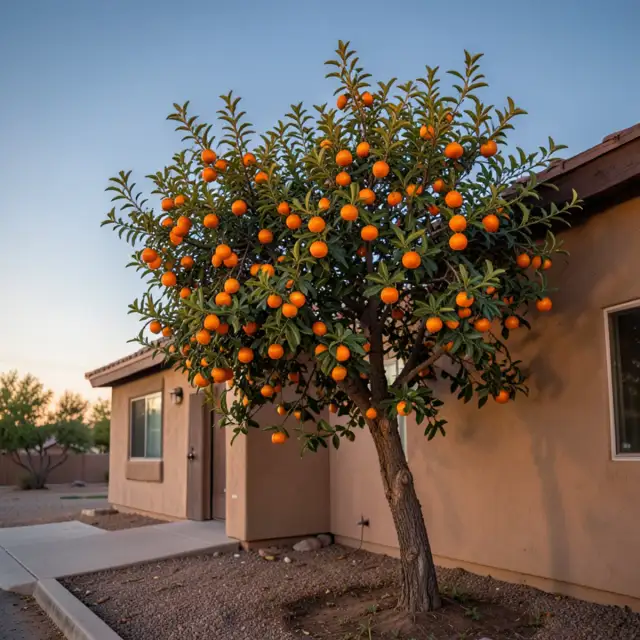
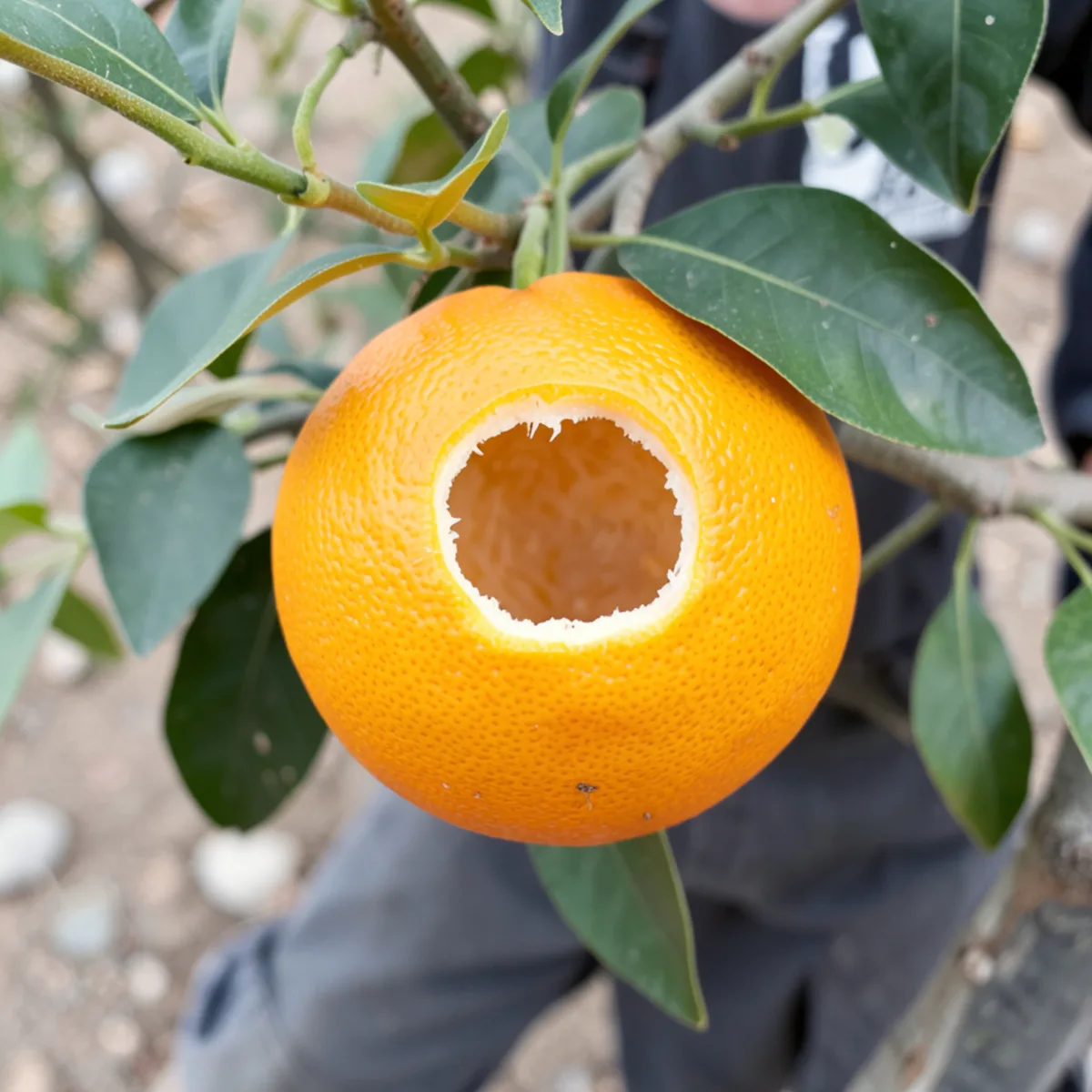
An orange that looks fine from the patio turns out to be an empty shell. That is often how people in older Valley neighborhoods find out they share the yard with rats. University of Arizona Extension says roof rats have settled into old citrus, palms and mature landscaping here. This post covers how to deal with them as part of wider rodent control, with notes for Phoenix and Paradise Valley yards.
How to tell you have roof rats in citrus trees
Roof rats are seldom seen in daylight, so read the signs they leave behind. Their season lines up with your harvest. The university says they are far more active from November through May, and that reports climb when backyard citrus is loaded with fruit. Tangerines can be plentiful as early as September, and oranges can last into the hot months.
- Hollowed fruit. Pulp eaten from hanging oranges, rind left in place.
- Peeled lemons. With sour citrus, the rind is eaten and the fruit stays.
- Night traffic. Rats on power lines, walls or roofs at dusk.
- Attic noise. Scratching overhead after the house goes quiet.
- Droppings. Pointed, banana-shaped, 1/4 to 1/2 inch long.
- Rub marks. Greasy smudges high on rafters or beams.
- Restless pets. The county lists unsettled pets among the signs.
Roof rat or pack rat?
Both can raid a yard, and they need different handling. University of Arizona Extension separates them this way.
| Clue | Roof rat | Pack rat |
|---|---|---|
| Tail | Scaly, nearly hairless, longer than head and body | Hairy, pale underneath, about head-and-body length |
| Droppings | Pointed, 1/4 to 1/2 inch | Blunt, 1/2 to 3/4 inch |
| Nest | Attics, soffits, palm crowns, vine cover | Stick piles at ground level, in cactus or rock |
| Feeding | Up in the canopy | Cactus pads and fruit near the ground |
Extension adds that droppings alone are not a reliable way to name the species, so use the tail and the nest as well.
Why you can keep the tree
Some people panic and take a chainsaw to a healthy tree. The university's 2024 handout says that is the wrong move. Research indicates roof rat numbers are not related to the availability of food plants, so removing trees will not reduce the population or stop new rats arriving. Rats also eat seeds, flowers, leaves, bark, insects, snails and pet food.
Maricopa County's roof rat page points out that citrus gives rats both food and water, and University of Arizona pest-proofing advice says to harvest on time and pick up fallen fruit. Those positions are not far apart. Fruit discipline helps, even though the tree is not the root cause. Keep the tree and manage it.
Why waiting for summer does not solve it
Quiet months can fool you. Extension says roof rats breed year-round in warmer parts of the low desert. Females have 5 to 8 pups per litter and up to 5 litters a year, and the young can breed at around 3 months. A few rats in October can be a much bigger group by the time the oranges are gone.
They also keep working on the house. Extension describes food caches in attics and hedges, gnawed wiring, shredded insulation and bark feeding that can girdle young trees. It says they can even chew lead or PVC drain pipes to reach water. It also calls them invasive and says to act at any time of year.
What to pick, prune and clear
These yard jobs make your property less convenient. None of them replace trapping or sealing, but they make both work better.
- Harvest on time. Pick ripe fruit and do not leave a crop hanging for weeks.
- Clear the ground. Collect fallen fruit often, especially in the evening before rats feed.
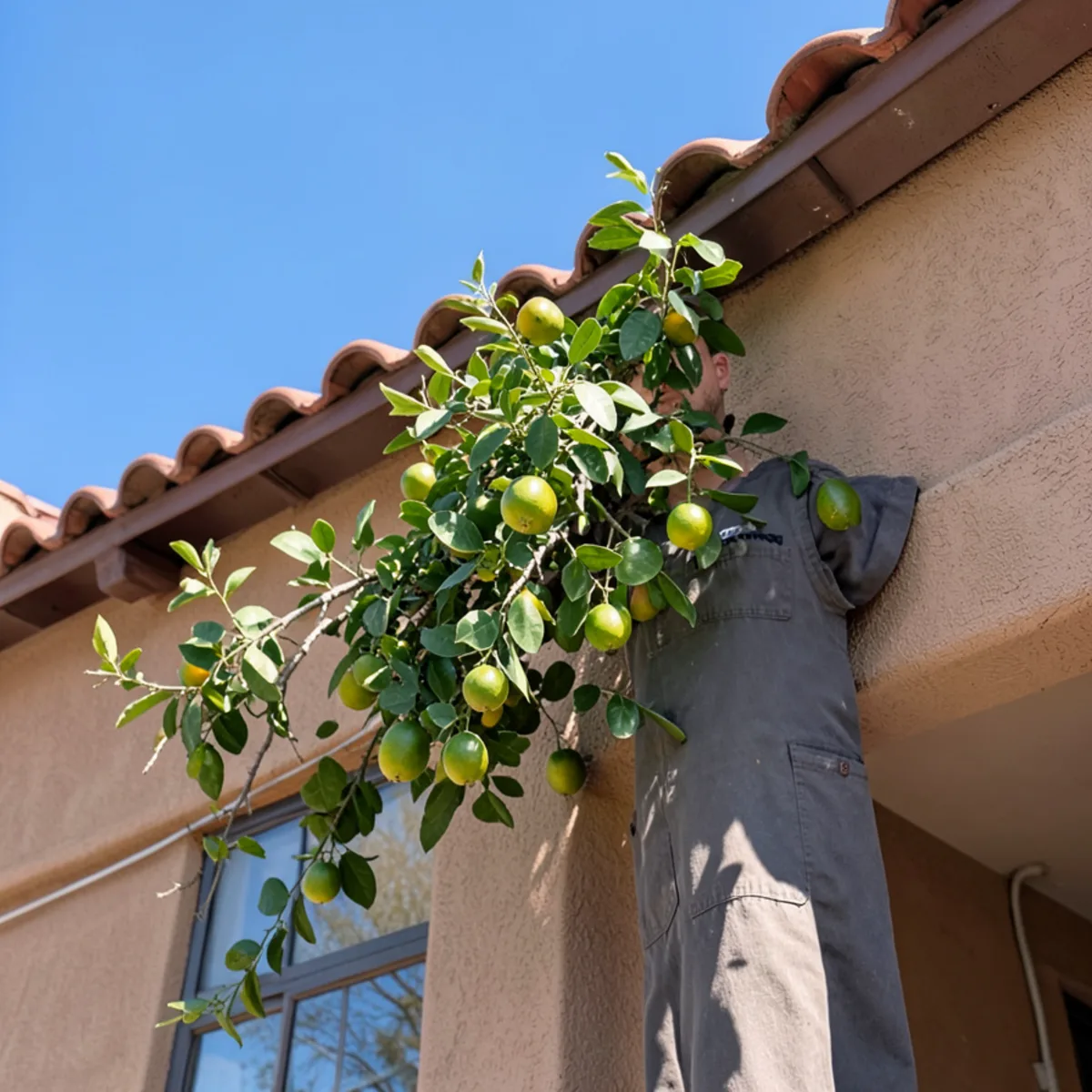
- Prune away from the house. The university gives 24 inches from any structure, with no limbs over the roof.
- Lift the skirt. Prune low growth so you can see the ground beneath from a bent-knee position.
- Thin the vines. Vine cover on fences is nesting cover.
- Trim palms. Remove old fronds that hide a nest.
- Stop the extras. Bring pet food in at dusk and take down bird feeders for a while.
- Fix the water. Repair leaking sprinkler heads, drip lines and AC drip spots.
Fruit inhibitors are mentioned by the university as an option for reducing fruit, but timing and the label matter, so that decision suits a careful homeowner or an arborist.
How trapping and sealing fit together
Trapping and sealing are two halves of the same job. The university is plain that poison and traps give short-term control, while exclusion and habitat changes are what last. Seal before removal, and you can trap rats inside. Trap without sealing, and the next rats just move in.
A sensible order looks like this:
| Stage | Goal | Details |
|---|---|---|
| Survey | Find routes and entry points | Roofline, vents, AC line, pipes, garage |
| Trap | Reduce the rats already using the house | Snap traps on their paths, indoors and in the attic |
| Seal | Close the way in | Stucco mesh, hardware cloth, mortar, sealant |
| Maintain | Keep it closed | Recheck after storms and roof work |
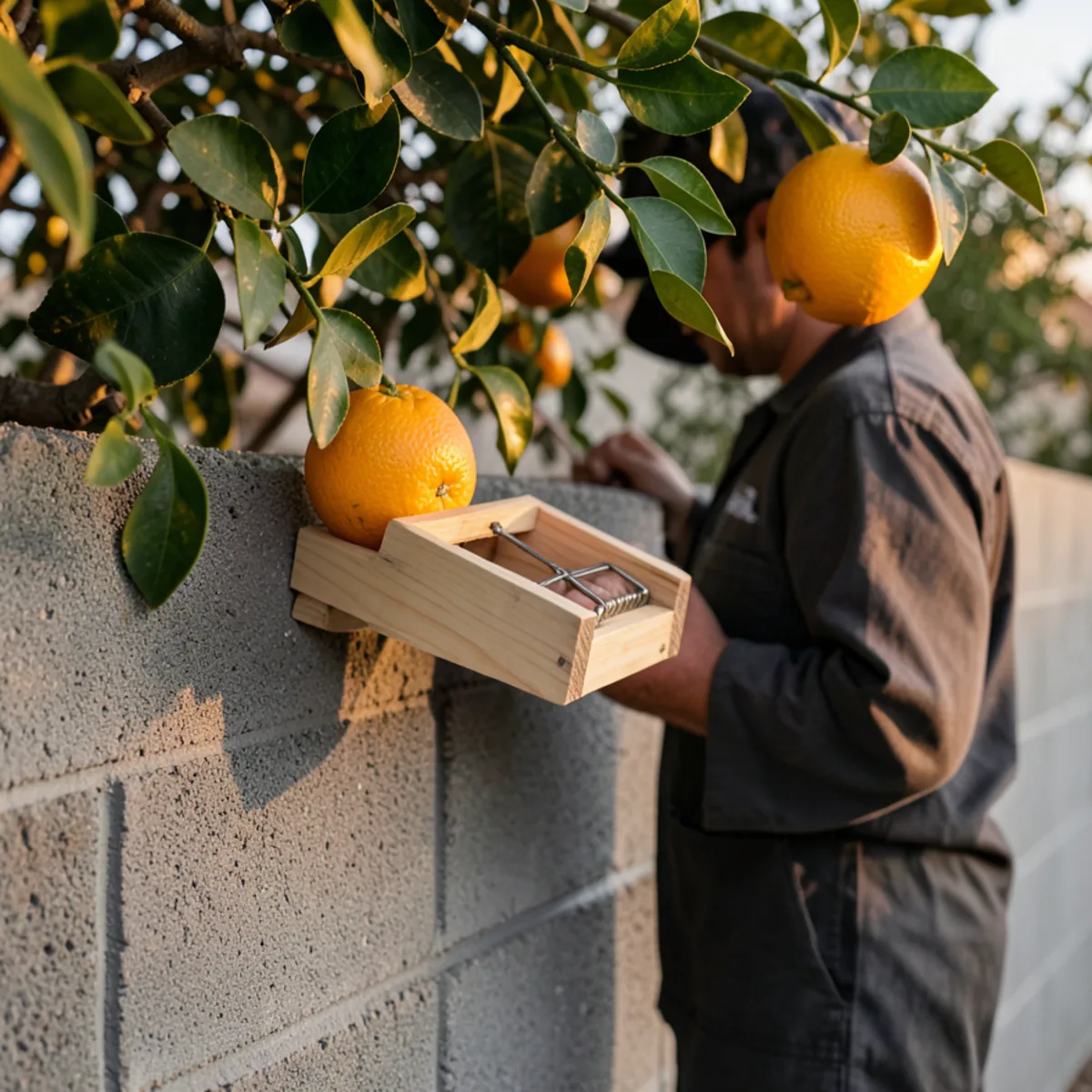
Roof rats spend 90 percent of their lives at least 4 feet off the ground, according to the county, so traps at ground level often sit unused. Attics, wall tops and sturdy branches are better. The county says they enter through any opening larger than a nickel, and it recommends stucco diamond mesh for holes and vents. The university adds 1/4 inch hardware cloth for vents.
One spot deserves a close look. The county points to AC line entrances, where scratch marks on the insulation show a route. It suggests a snap trap at that spot, and steel wool or copper mesh packed into the line cover.
Be careful with rat poison outdoors. The university warns rodenticides pose risks to non-target mammals. Owls, hawks, pets and neighbors' animals can all be affected by what a poisoned rat carries.
Cleanup after a catch has its own routine. Maricopa County says to wear rubber gloves, ventilate the area the night before, spray with a 10 percent bleach solution and let it sit at least 15 minutes. Use paper towels or a mop, never a broom or vacuum, then double-bag the waste. The county reports that its roof rat testing for tularemia, hantavirus and plague has come back negative so far, while Extension lists other diseases tied to these rats. Ask a doctor about any health concern.
Your neighbors matter
In an urban yard, a roof rat usually stays within about 120 yards of its nest, according to the university. That covers several lots. If the people next door have heavy citrus and fallen fruit, your work helps, but it will not end the pressure. The 2024 handout puts it bluntly: without an area-wide long-term program, they are here to stay in established neighborhoods. Talk to the neighbors and share the plan.
How Kai would tackle a citrus yard
Kai's view is that the tree is usually the clue, not the cause. The real question is how rats get from that canopy to your attic. Customers report that he sets traps and cleans up after each catch, and that he explains how to prevent repeat problems.
Be realistic about the trade-offs. Trapping gives you the quickest drop in numbers, but it has no finish line while the roofline stays open. Sealing lasts longer, but tile roofs, soffits and AC runs take time to go over properly, and one missed gap undoes the rest. In a street full of old citrus, the likely result is a house rats cannot enter, with some rats still using the trees outside.
The page on roof rat control covers what a visit can include. Rodent exclusion work depends on the property, so ask Kai on the phone if it is something he takes on for your house.
Finding hollow oranges or hearing the attic at night? Call (209) 563-1650 and describe the yard.
Sources
- How to Identify and Discourage Roof Rats, University of Arizona Cooperative Extension
- Roof Rats: Identification, Ecology, and Signs (AZ1775), University of Arizona Cooperative Extension
- Pest Proofing Your Home (AZ1677), University of Arizona Cooperative Extension
- Vector Control: Roof Rats FAQ, Maricopa County
About the author
Kai Horner owns and runs Kekoa Pest Control, a family-owned pest and weed control business based in Tempe, AZ, serving the East Valley since 2022. More about Kai