
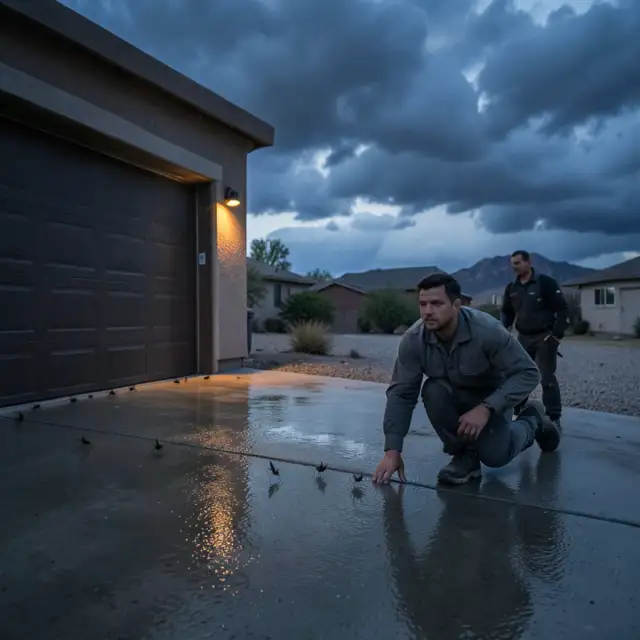
Cricket Control in Tempe, AZ
Cricket control in Tempe, AZ is mostly about timing, lights and cracks, since crickets reach adult size right around monsoon season and head for bright, gappy doorways. Kekoa Pest Control treats the foundation, deals with entry points and explains the lighting changes that matter.
- 5.0★ on Google (54 reviews)
- Family owned, owner operated
- Serving since 2022
Every late summer, the same scene plays out at Valley front doors. A dozen crickets sit under the porch light, a few get into the garage and one finds the bedroom wall. If that is your house, a bug exterminator can bring numbers down, though the fix involves your lights and door seals as much as anything sprayed.
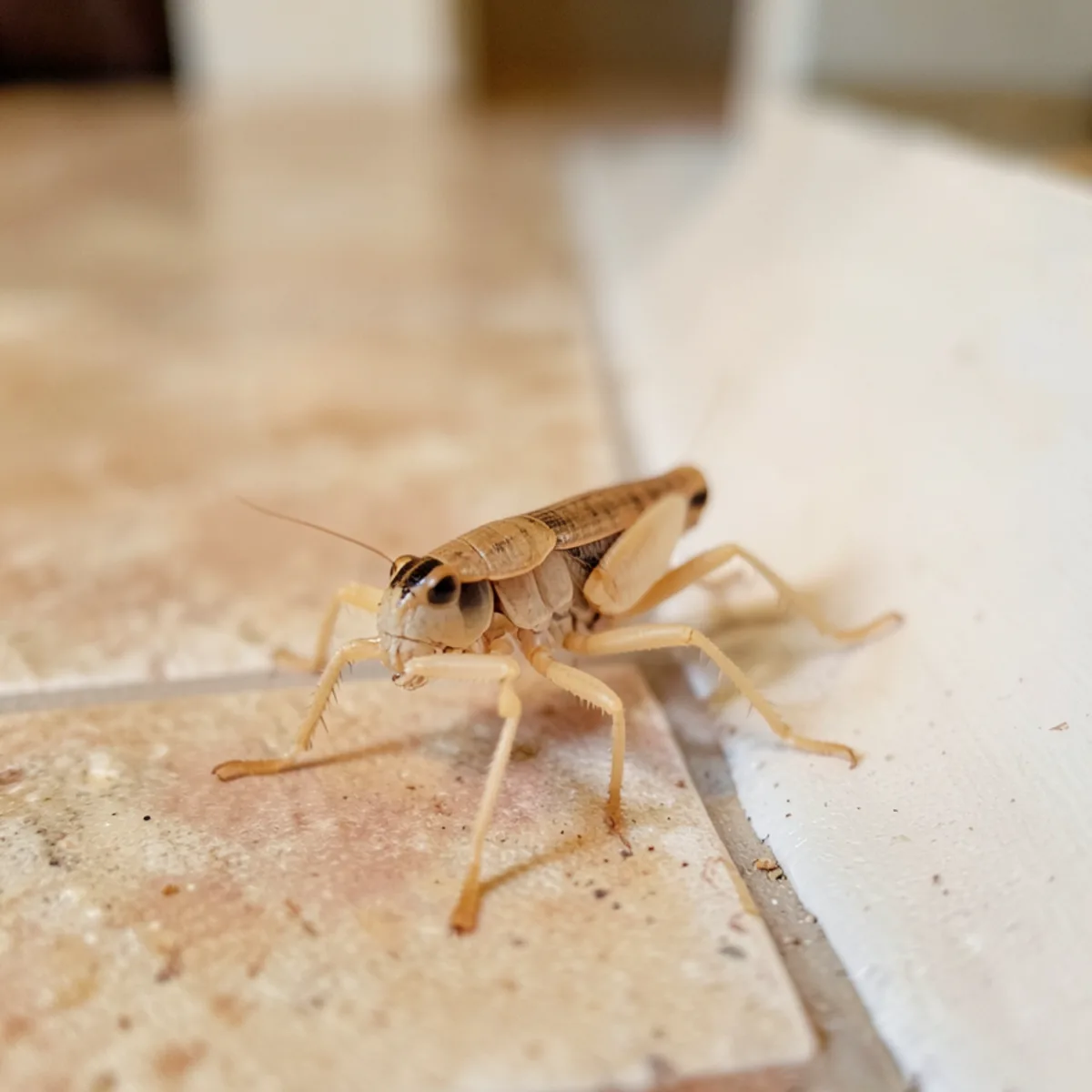
Monsoon crickets in Tempe: which kind do you have?
University of Arizona Extension names two crickets as the most common in Maricopa County.
- Indian house cricket. Light yellow-brown to tan with darker bands, about 3/4 inch. These gather around foundations and doors, slip in through cracks, and are the only type that may live and breed indoors. They feed on crumbs, pet food and plant debris, and leave piles of droppings.
- Field cricket. Slightly over an inch, dark brown to shiny black. They live and breed outdoors on plants, and come inside for shelter. This is the one that chews fabric and carpet.
The Jerusalem cricket, a big-headed digger, is rarely found here and does not enter homes. It may bite if handled, so leave it be.
Here is a trick for the chirping, too. Count chirps from a field cricket for 13 seconds, add 40, and you have the temperature in Fahrenheit, roughly.
What makes crickets gather at your door?
Lights lead the list. Night lighting pulls in insects, and bright fixtures over doors and garages bring crickets to the exact gap you do not want them in. Next comes the calendar: eggs laid in soil the previous late summer hatch in late spring or early summer, and nymphs take about 90 days to mature. That puts adults on your slab about the time monsoon storms arrive. Irrigated beds give nymphs food and moisture through the dry months, and pet food left out on a patio gives adults a reason to stay.
Crickets also tend to be the visible end of a food chain. University of Arizona entomologists list them among the food sources for scorpions, and spiders follow them along walls. Fewer crickets alone will not clear scorpions, but it helps take away part of the buffet.
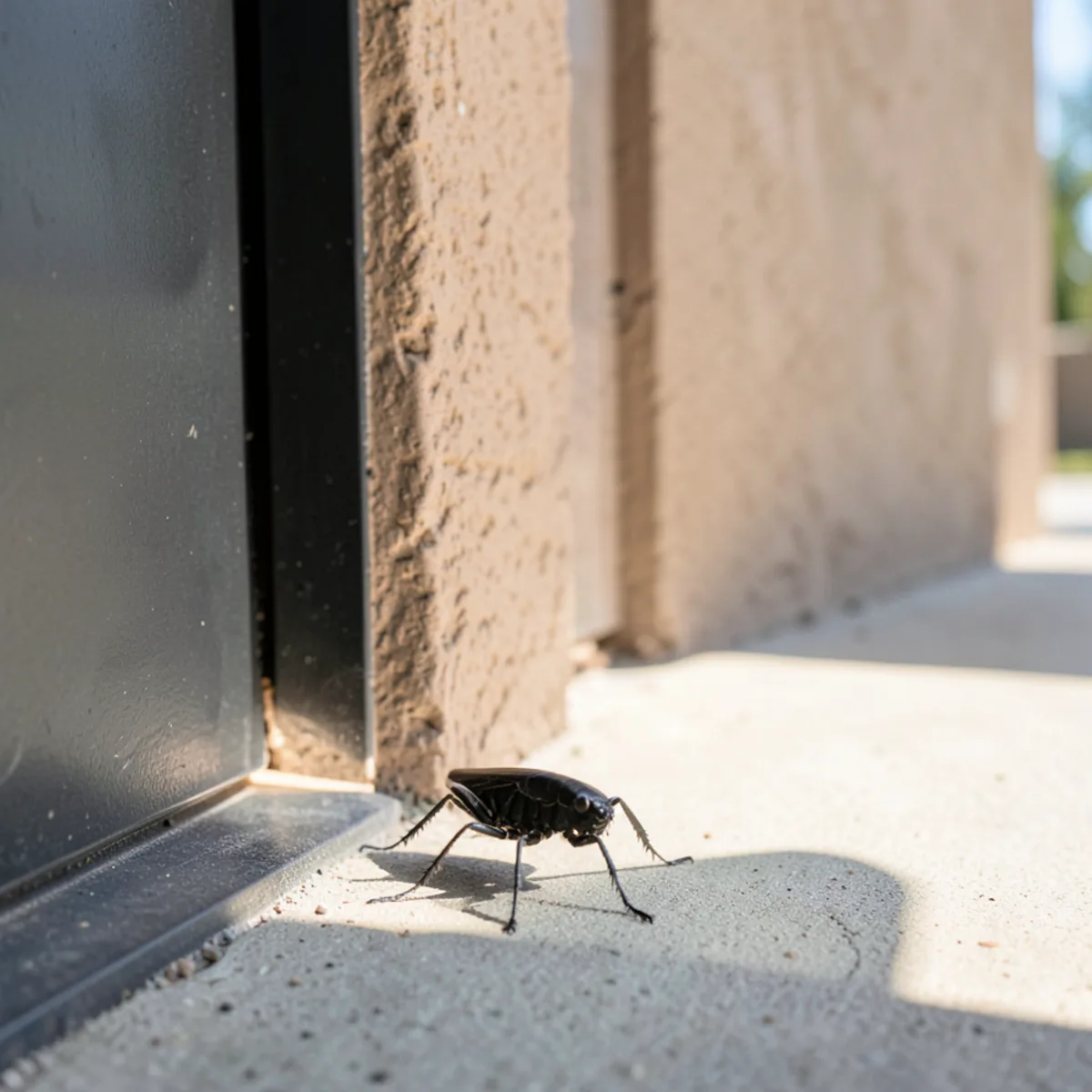
How Kai reads a cricket problem
The first questions are simple. Where do you hear them, what color are they, and which lights are on at night? Tan crickets inside point toward an Indian house cricket population worth following into closets and potted plants. Black crickets at the door point to outdoor numbers and entry gaps. Outside, Kai looks at foundation cracks, door sweeps, garage seals, weep openings, debris near the wall and irrigated beds.
Sometimes this is a problem of a few, and Extension itself says only you can decide how many crickets are too many. A handful in September may need only a door sweep and a vacuum.
What does cricket control involve at your house?
A cricket job aims at numbers, not zero. Yards, neighbors and open lots keep producing them until the season ends, so the work cuts how many reach the house and how many get in. Kai starts with which cricket you have, because tan Indian house crickets indoors need a different follow-up from black field crickets outside. He then works the foundation and door lines, looks at what is lighting them up, and times anything he applies to when it will do the most. If scorpions share the yard, tell him, since the two problems overlap.
- Identification, tan indoor breeder or black outdoor visitor.
- A foundation, threshold and garage seal check. Weep openings are a screen job, never a plug job.
- Exterior residual work at hiding spots, as the label directs.
- Crack and crevice work indoors if Indian house crickets are breeding.
- A closet and potted plant check for indoor populations.
- Lighting and door sweep changes for you to make.
Cricket control in Tempe, AZ: picking the method
- Exclusion. Caulk and weather-strip around foundation gaps, doors and screens. Low cost and durable, though it never seals everything.
- Lighting changes. Lights off when you can manage it. This costs you nothing, and it changes how many crickets arrive.
- Crack and crevice treatment. Material placed in cracks and holes kills crickets passing through. Limited to the places it reaches.
- Residual exterior treatment. Applied at foundations and hiding spots. Extension's guidance favors late evening timing and early summer, when crickets are small, over a late-summer rescue.
- Sticky traps and vacuuming. Handy for strays indoors and useless against yard numbers.
Steps on a cricket visit
- Kai identifies the cricket and asks about lights, pets and where the noise is.
- He walks the foundation, doors and garage for entry points.
- He treats the foundation and hiding places outside, then indoor cracks if needed, all as the label directs and placed where curious pets and small kids cannot get at it.
- He points out gaps and lighting to change, and tells you what you can seal yourself.
- If this is an every-summer issue, he talks through timing for next year so treatment starts earlier.
Expect crickets to keep arriving for a while, since yards and neighbors still produce them. Numbers usually taper off as the season ends, when adults die off from age or cold. Crickets found dead along the wall in the days after are a sign things are working.
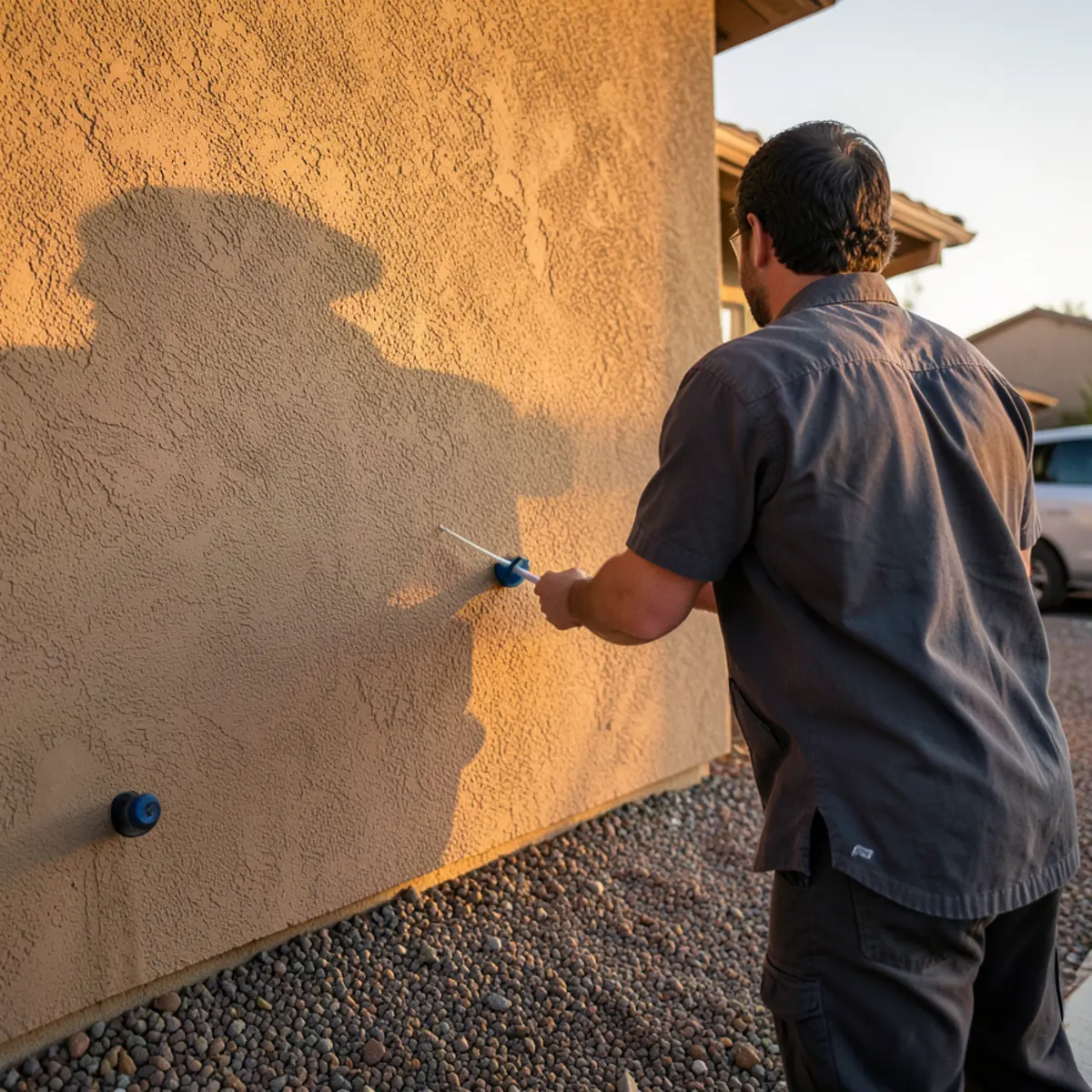
Prefer to write? Request a quote
Calling is fastest. If you are on a job or at work, leave your details and Kai will get back to you.
Which factors change the cost?
- Lot size, and how close the home sits to open desert, canals or large irrigated turf.
- Length of foundation and number of doors.
- Whether scorpions or spiders are part of the same visit.
- One treatment, or a repeat summer plan.
Timing is the quiet cost driver in Tempe. An early-summer treatment aimed at small nymphs is a lighter job than a late-August rescue with adults at every door. Homes beside canals, washes or big irrigated parks face more incoming crickets than a mid-block lot. Streetlights or bright lighting near your garage can bring numbers you cannot switch off. The depth of gravel along the wall matters, as does the number of door and garage seals needing attention. If Indian house crickets have moved into closets or garage storage, inside work adds to the scope. Pet food on a patio and lights left on all night keep numbers up longer.
Monsoon storms, storm drains and product labels
Cricket season and storm season overlap, and that affects what can go down. EPA's sample label language for outdoor granular products says calm weather with no rain predicted for 24 hours helps keep product in place, and it warns against pesticide reaching storm drains or gutters. Tempe looks at this from the other end. City stormwater materials say water entering downtown-area drains reaches the Salt River and Tempe Town Lake with no treatment, and that causing a non-stormwater discharge to a storm drain violates city code, Sec. 12-125(a). So sweep up dead crickets, and never hose them or spilled granules toward the gutter. It is also why a treatment may be moved when the forecast turns.
Why call Kekoa about crickets?
- Scorpions are a large share of what customers praise Kai for, so he looks at crickets as part of that bigger picture.
- He explains what is worth treating and how to prevent the rest.
- He treats inside and out.
- A written list of products used comes with monthly service, reviewers say.
- Monthly service, the schedule most reviewers describe, lets work start before crickets reach adult size.
- Customers report a reminder the day before, so doors, pets and patio items can be sorted first.
- The business describes itself as honest, with no sales gimmick, so a handful of September crickets may earn you a door sweep tip and nothing more.
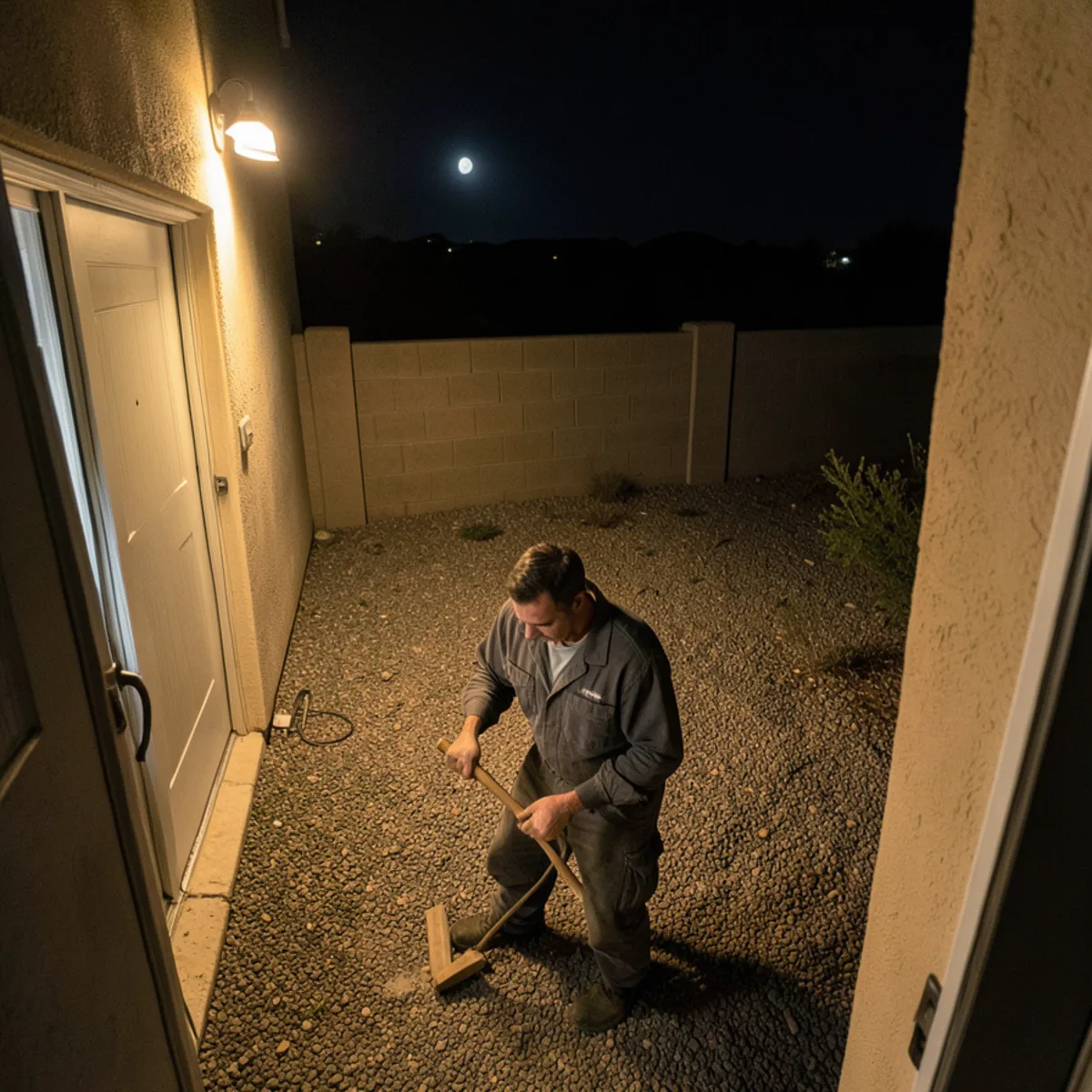
Kai handles cricket control in Mesa, Queen Creek and San Tan Valley, where new homes sit beside open ground, and in Tempe. The same damp cracks that shelter crickets can hold other pests, so if you also see tiny gray insects in a bathroom or pincer bugs near the beds, read about silverfish control and earwig control before you call.
5.0★ from 54 Google reviews
What customers say about cricket control with Kai
“We’ve been so impressed with our pest control service! Kai is always professional, punctual, and extremely knowledgeable. He takes time to explain what he’s doing and makes sure we understand how to prevent future issues.”
“Since working with him, we’ve seen a huge improvement—especially with eliminating scorpions from our yard. Highly recommend!”
“When we moved into our home, we had a scorpion infestation.These guys knocked it out in no time haven't seen a scorpion since! (With regular monthly service)”
Cricket Control: common questions
Why do crickets pile up around monsoon season?
Mainly timing. University of Arizona Extension says eggs hatch in late spring or early summer and nymphs mature in about 90 days, which puts adults around your door during monsoon. Adults mate and lay eggs in the soil in late summer. Storms and wet ground may add movement, but the calendar does most of it. Early summer treatment catches them small.
Are crickets really scorpion food?
Yes. University of Arizona entomologists list crickets among the food sources for scorpions, and say removing that food can help but will not eliminate scorpions around a home. So cutting crickets is one part of a wider job. If you find scorpions along with crickets in your yard, mention it when you call Kai and he will look at both.
How much do outdoor lights affect crickets?
A lot. Extension's cricket advice is to keep lights off at night as much as possible, because night lighting attracts insects. A bright door light or lit garage in a Tempe subdivision can gather crickets from the surrounding yards. Turn off lights you do not need, keep doors closed after dark, and check the door seals near any fixture you keep on.
Can crickets actually damage anything in my house?
They can, in numbers. Field crickets chew woolens, cotton, silk, synthetics, fur and carpet, particularly items with sweat or food stains. Indian house crickets can feed on fabrics and drywall when numbers run extremely high, and they leave droppings. Neither bites or carries diseases, according to Extension. Most households only face the noise and the droppings.
Will crickets start breeding inside my home?
Only one common type will. Indian house crickets, the tan ones with darker bands, are the only crickets that may live and produce young indoors, according to University of Arizona Extension. The larger, dark field crickets wander in for shelter but do not reproduce inside. Check potted plants, since they can carry Indian house crickets indoors.
Where we offer this
- Pinal CountyIrrigated cotton and vegetable ground on the county's west side feeds crickets that move to porch lights in monsoon season, and new streets on field edges meet them first.
- Casa GrandeLights near open fields and desert can draw crickets to the house during monsoon, and Casa Grande's summer storms bring high winds and heavy rain that get them moving.
- TempeFlood-irrigated lots and lit apartment walkways give crickets moist soil and bright gaps by monsoon.
- MesaCitrus and turf on older lots keep soil damp through the dry months cricket nymphs must survive.
- Queen CreekNew homes beside farm and open ground mean adults arrive at lit doors from unbuilt land.
- San Tan ValleyPlanned communities such as Johnson Ranch sit against former desert and farmland, close to outdoor cricket numbers.
- GilbertIrrigated ground around the Water Ranch basins keeps soil moist well into cricket season.
- Fountain HillsFewer lights help in a Dark Sky town, yet wash-side homes still see crickets and the scorpions hunting them.
- ChandlerOcotillo's 27 golf holes and lake edges keep soil damp where crickets lay eggs in late summer.
- PhoenixLaveen's former cotton and dairy ground leaves open fields beside newly lit homes.
Talk to Kai about cricket control
Call first. You will reach the owner, not a call center.
Kekoa Pest Control, 2407 E Wesleyan Dr, Tempe, AZ 85282, (209) 563-1650
- 5.0★ on Google (54 reviews)
- Family owned, owner operated
- Serving since 2022