
Scorpion Control · By Kai Horner, owner of Kekoa Pest Control · Published · Updated
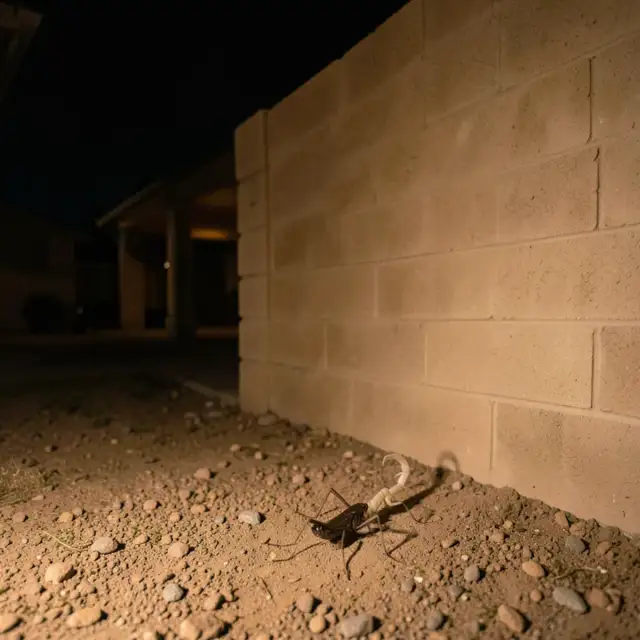
Late summer brings two complaints that are really one. People call about crickets chirping in the garage, then a week later about a scorpion on the wall. Our scorpion control work starts with that link, because the insects feeding the scorpion are often easier to reach than the scorpion itself.
Do crickets attract scorpions to your walls?
Scorpions do not stalk crickets across the yard. University of Arizona Extension describes them as ambush predators that sense vibration and wait for prey to come within reach. A bark scorpion's usual trip around a building is short, under 35 yards in a night, and often just enough to find water or shelter.
So the attraction works differently. Bark scorpions feed on crickets, cockroaches and other insects, and they tolerate each other, sometimes in dense groups where resources are plentiful. Extension says irrigated landscapes around homes can support populations much higher than open desert. A wall lit up at night, with crickets gathered at the base and a hollow block course above, gives scorpions everything within a few steps.
The same Extension material says cricket or cockroach problems can make scorpions more common indoors. Crickets are not the cause of your scorpions, but they are a reason for scorpions to stay.
Which cricket is on your wall?
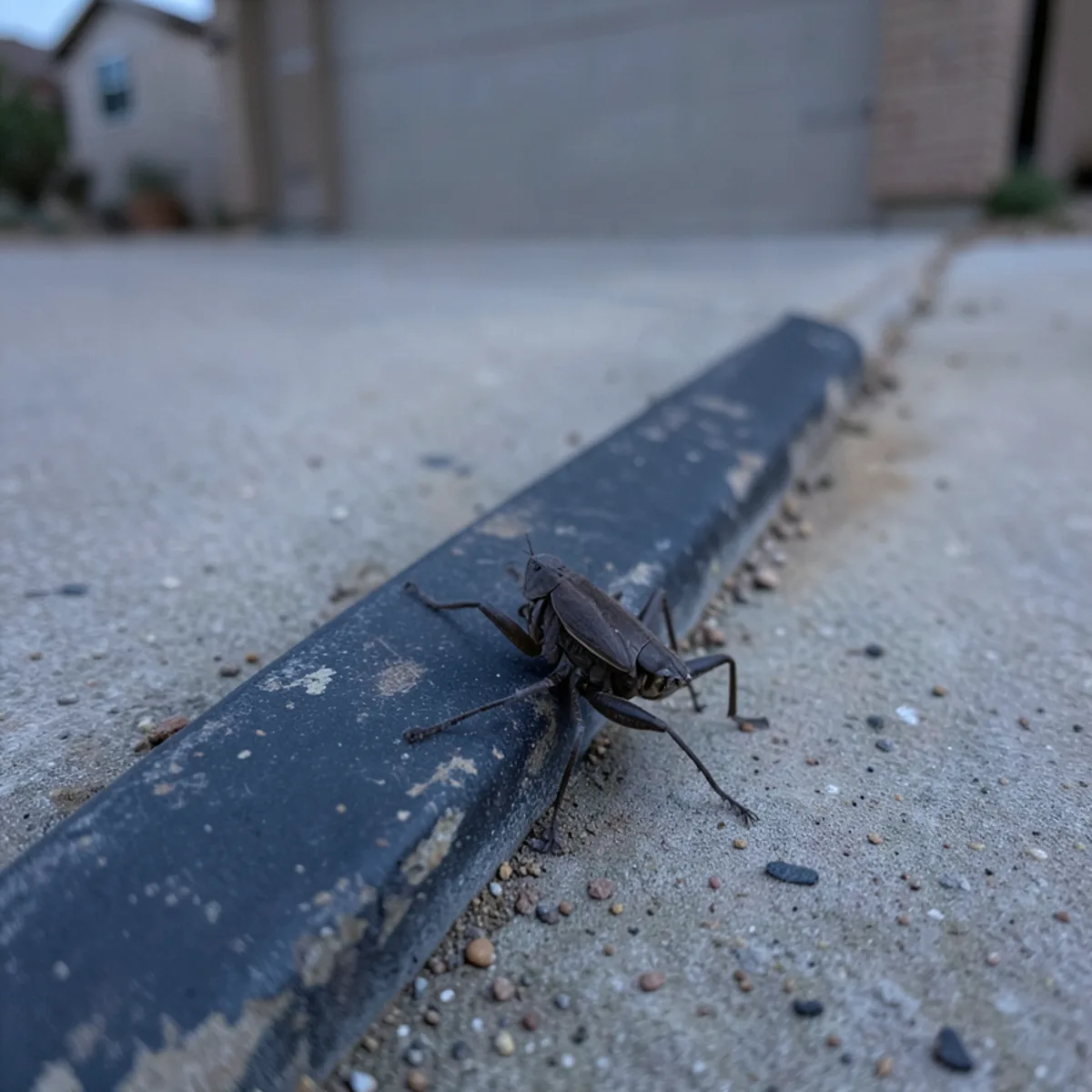
The kind matters, because one of them can settle in under your roof. University of Arizona Extension lists Indian house crickets and field crickets as the two most common in Maricopa County.
| Cricket | Looks like | Lives and breeds | Why it matters for scorpions |
|---|---|---|---|
| Indian house | About 3/4 inch, tan with darker bands | Outdoors, and the only kind that can breed indoors | A steady food supply inside the house |
| Field | Over 1 inch, dark brown to shiny black | Outdoors, comes in only to hide | A seasonal crowd at doors and lights |
| Jerusalem | Large round head, wingless, pale yellow to brown | In soil, rarely found and does not enter homes | Not part of this problem |
If you want a small party trick, Extension says to count a field cricket's chirps for 13 seconds and add 40 for the approximate temperature in Fahrenheit. It works less well as a pest count, so go by what you see at the base of the wall.
Why monsoon timing makes both worse
The calendar lines up badly. Cricket eggs laid in soil the previous summer hatch in late spring or early summer, and the young take about 90 days to mature. Adults then mate and lay in late summer. That puts the biggest, loudest crickets in Valley yards in the same weeks as monsoon storms.
Rain does the rest. Extension notes that scorpions move when irrigation or monsoon rain floods them out of refuges, and that heat also drives them to shelter. Crickets gather around foundations and doors, and field crickets come in looking for hiding places. Both end up in the same narrow band along your wall.
Five links in the scorpion food chain
Think of it as a chain. You do not need to break every link, but each one you remove helps.
| Link | What feeds it | How to break it |
|---|---|---|
| Lights | Night lighting draws insects | Turn off what you do not need, keep doors closed at night |
| Moisture | Irrigation, wet corners, leaks | Fix drips, water in the morning, hang damp towels |
| Crickets | Plant debris, pet food, crumbs | Clear debris near the house, put pet food away |
| Shelter | Rocks, wood piles, hollow block | Move clutter away from walls, cap or stucco block where you can |
| Entry | Door gaps, weep screed, pipes | Tight sweeps, screened weep holes, caulked penetrations |
Those fixes come straight from the Extension publications listed below this post. Screening weep holes needs one note: use coarse steel mesh and do not plug them, because Extension says those openings ventilate the wall.
Cutting cricket numbers, in the right order
Extension's cricket sheet sets out a ladder. Begin with the least toxic steps and move down only if you need to, and first decide whether there is enough of a problem to act on.
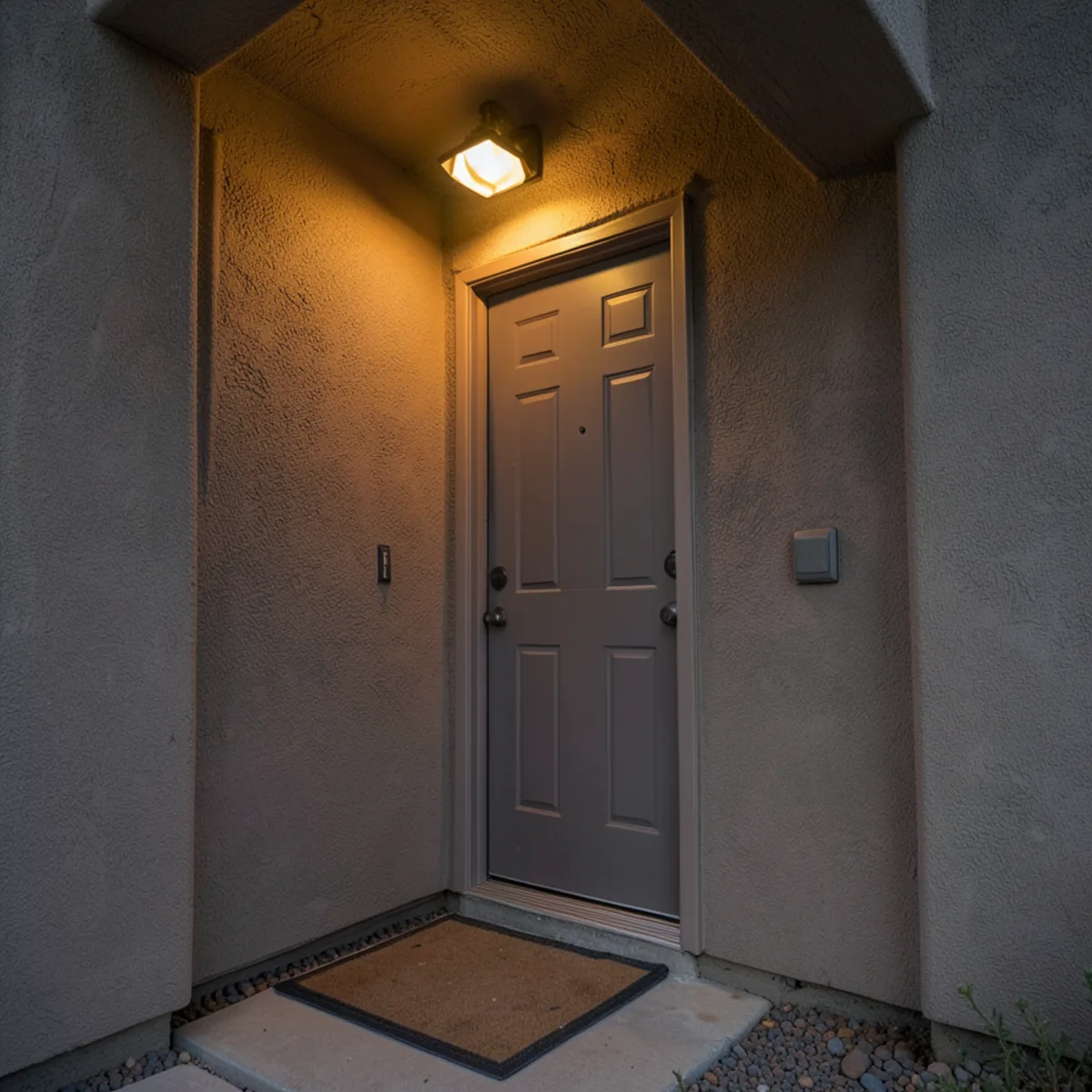
- Keep them out. Caulk gaps and make every door tight, screen and garage doors included.
- Remove what they eat. Pet food, crumbs and plant debris near the house.
- Pull them out. A vacuum, a fly swatter or sticky traps deal with indoor stragglers, and traps show you where they travel.
- Let predators help. Extension names lizards, birds and harmless spiders outdoors.
- Treat cracks. A crack and crevice product stops crickets moving through a gap.
- Use residual sprays last. If numbers are high, Extension says to apply after 10 p.m. to foundations and hiding places, using a product labeled for crickets.
Timing is the catch. Extension says early summer applications beat late summer ones, when crickets are small. Most people only notice the problem in August, which is the less effective end of that window. The August job then leans more on lights, doors and clearing debris.
Scorpions after rain: what to do that evening
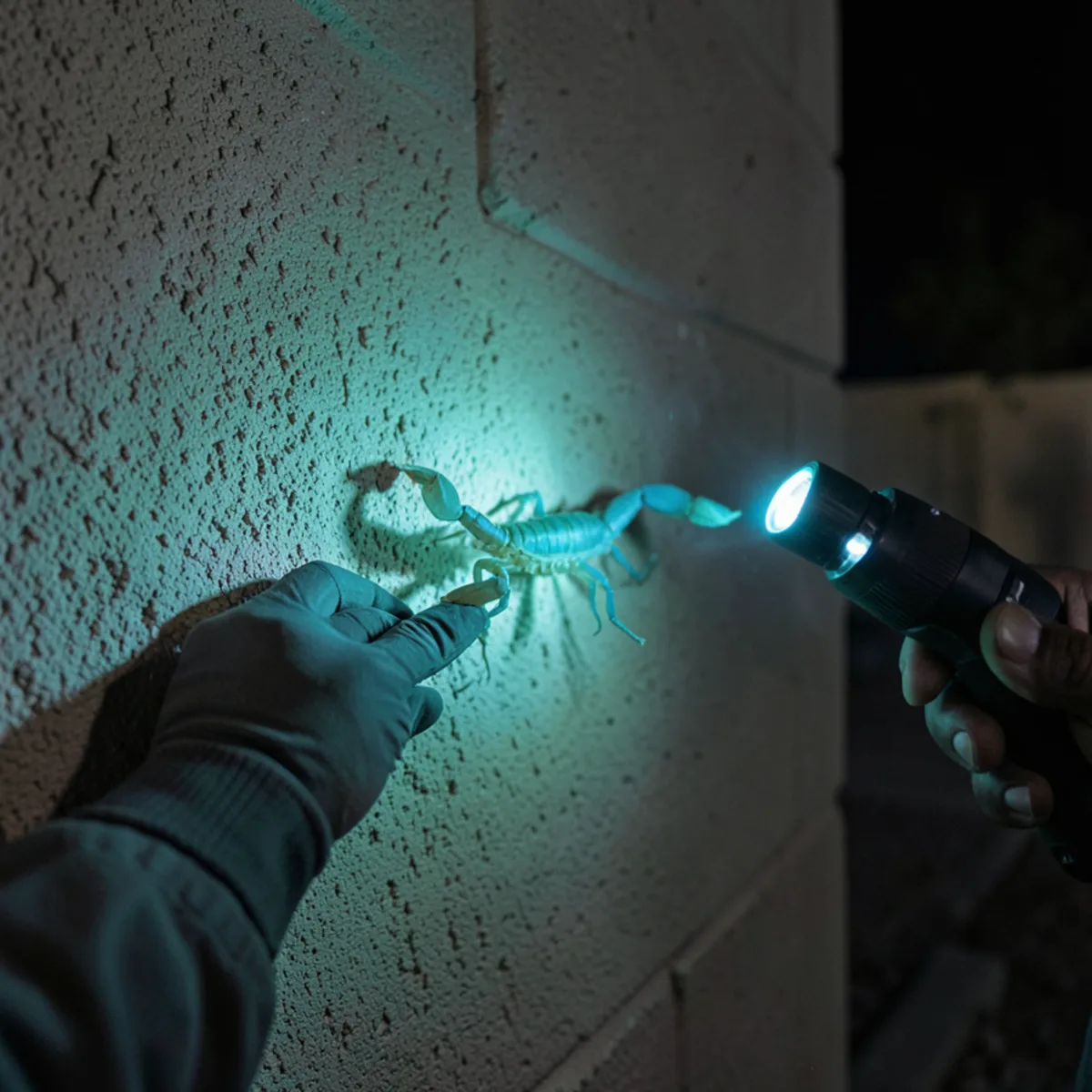
A storm is a good prompt for a short walk around the house. Scorpions glow under ultraviolet light, and Extension suggests checking several times in summer between 8 and 11 p.m. Most movement happens from early evening to late evening and again before sunrise.
- Put on closed shoes. Extension is firm about footwear at night, indoors and out.
- Walk the block wall and the base of the house with a black light.
- Check door thresholds and the garage seal.
- Use long tongs if you plan to move one, and keep your hands away.
- Note where you found them. Repeat spots usually point to a gap.
If anyone is stung, University of Arizona Extension and the Poison Help line say to call 1-800-222-1222. For a child under 9 or under 70 pounds, Extension says call 911 or Poison Help, or go to the nearest hospital right away.
How Kai approaches crickets and scorpions together
Treating the two as separate jobs misses the point. A scorpion visit that ignores a garage full of crickets leaves the food in place, and a cricket spray that ignores the door sweeps leaves the road open. Extension backs this up: scorpions are hard to manage with pesticides alone, and pest-proofing is the most effective way to reduce contact.
Customers say Kai treats inside and out on regular visits and explains how to prevent problems. In a monsoon that conversation tends to cover lights, water and gaps. Several customers mention that regular service has reduced their scorpions, which suits a pest that keeps arriving from outside. If you are seeing them every few weeks, read how monthly scorpion treatment is set up before deciding.
Do not expect the scorpions to fall the week the crickets do. Extension says bark scorpions live 5 to 7 years and also eat cockroaches and many other insects, so they can stay put through a thin season. Removing the food makes the wall less inviting over time. Sealing is what keeps them out of the bedroom in the meantime. If money is tight, spend it on the doors first, because a tight door helps with both pests at once.
Newer neighborhoods feel this hard. Homes in Gilbert and Queen Creek often sit beside fresh irrigation and disturbed ground, and both add pressure at the same time. Exact patterns vary by street, so what you have seen at your own wall counts for more than any map.
Chirping at night and something with a tail at dusk? Call (209) 563-1650 and Kai will tell you where he would start.
Sources
About the author
Kai Horner owns and runs Kekoa Pest Control, a family-owned pest and weed control business based in Tempe, AZ, serving the East Valley since 2022. More about Kai