
Pest Control Services · By Kai Horner, owner of Kekoa Pest Control · Published · Updated
A pest visit goes better when the person doing it can reach the problem and knows what you have seen. Very little of this is heavy lifting. If you are booking general pest control in Tempe for the first time, or moving to a new provider, the list below takes the guesswork out. It applies to a routine visit. Bed bug jobs and other large treatments have their own preparation, so ask first.
How to prepare for pest control the day before
Customers say Kai sends a reminder the day before, which is a useful prompt. Spend that evening on these jobs.
- Clear baseboards. Move boxes, shoes and bags a foot or so off the walls in the rooms with the problem.
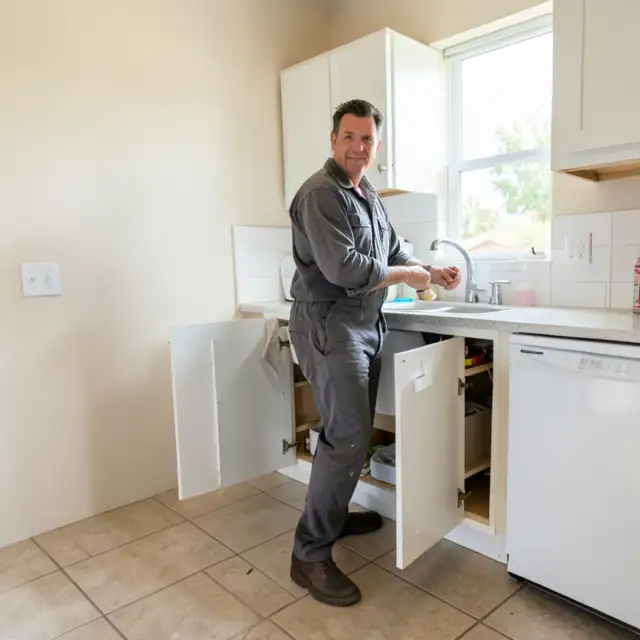
- Empty under sinks if asked. Kitchens and bathrooms are common hiding spots, so make it easy to reach pipes.
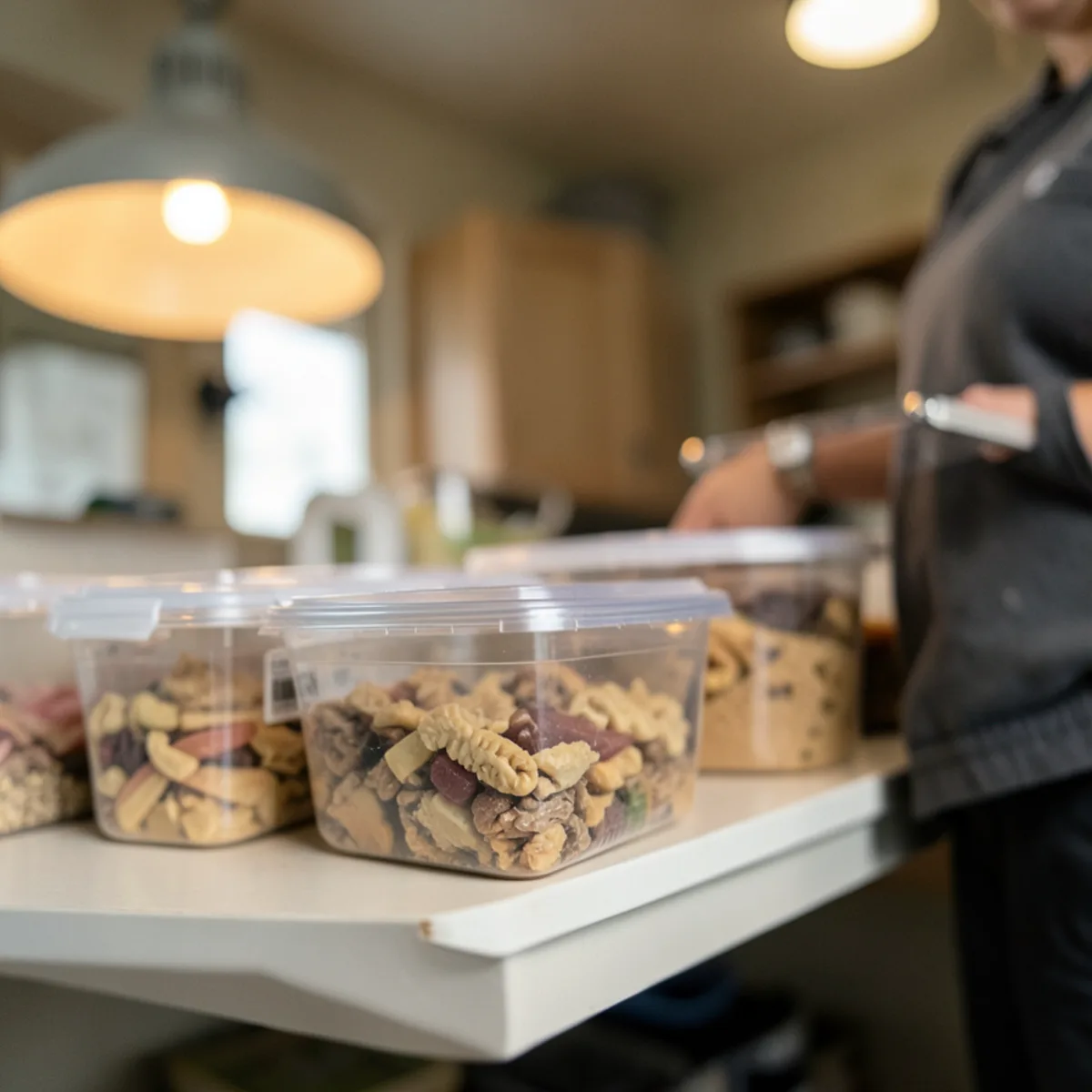
- Put food away. Close pantry bags, clear counters and wash dishes in the sink.
- Sweep the kitchen floor. Crumbs compete with bait.
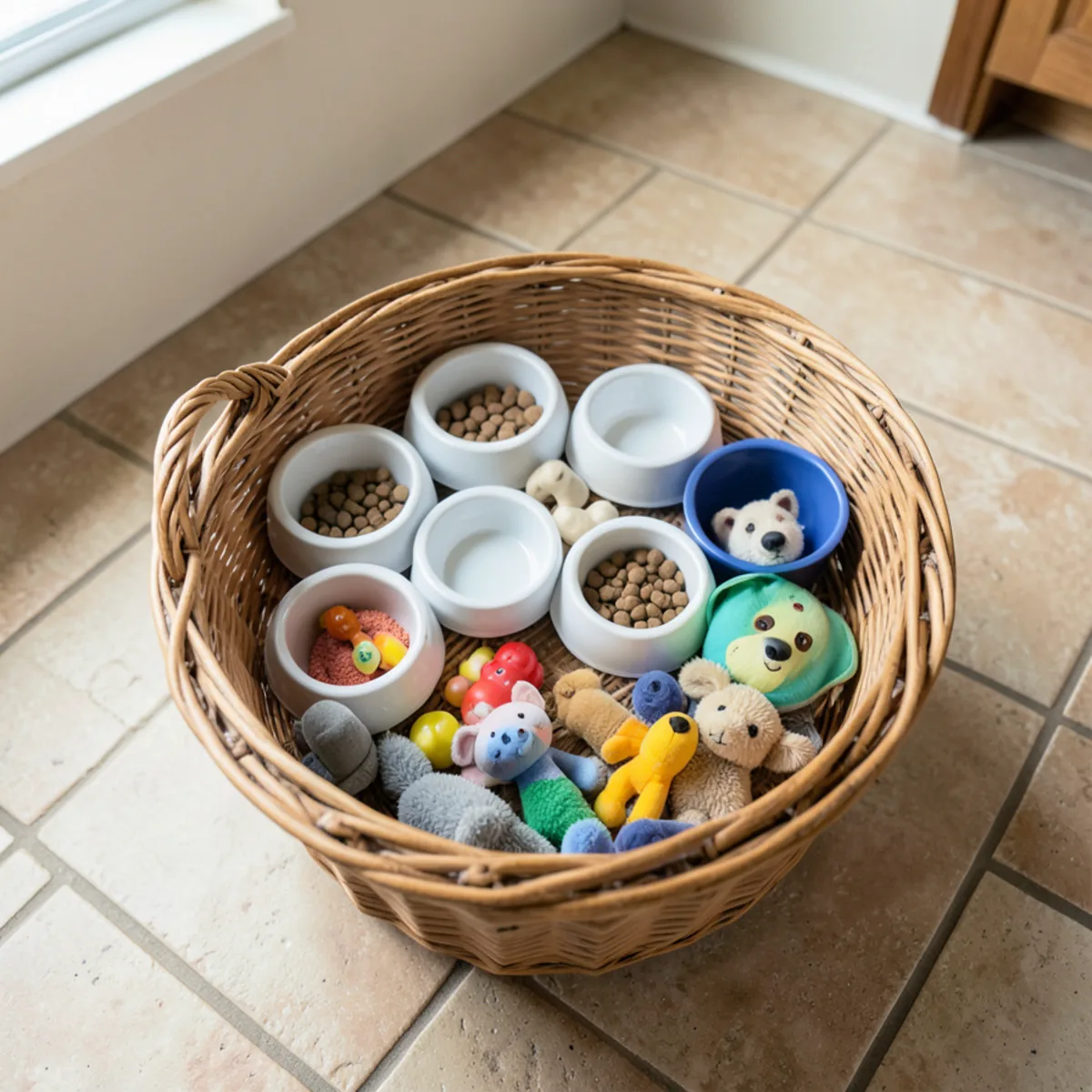
- Pick up pet bowls and toys. Children's toys go away too.
- Unlock access. Open side gates, and move a car if the garage needs treating.
- Note the sightings. Write down what, where and when, with a photo if you have one.
Do not spray store-bought products in the days before the visit unless you tell Kai. Sprays can interfere with bait, and it helps to know what has already been used. Keep anything you have tried in its original container so the label can be read. EPA says never to move pesticides into other containers.
What changes with the type of visit
The list above is the general case. A quick word on the phone tells you how much of it applies, and it can save you emptying a kitchen for nothing.
| Type of visit | What to clear | What to ask first |
|---|---|---|
| Routine inside and out | Baseboards in problem rooms, sink cabinets | Which rooms are getting treated |
| Kitchen cabinets | Food, pots, pans and dishes | When shelves can be refilled |
| Outside only | Toys, pet bowls, side gates | Whether windows should be shut |
| Rodent work | Stored boxes near walls and attic hatch | Where traps go, and how catches get handled |
| Weed visit | Hoses, toys and pots off the gravel | Whether irrigation should wait |
What to tell the person treating your home
Some details change how a job should be done. EPA's consumer guide says your concerns should be reflected in the plan, including allergies, sensitivities, the age of people in the home and resident pets.
| Tell them about | Why it matters |
|---|---|
| Infants, pregnancy or older relatives | May change what is used and where |
| Asthma, allergies, chemical sensitivities | May change product choice or timing |
| Dogs, cats, birds, reptiles, fish | Pets have different exposure risks and enclosures |
| Vegetable beds, fruit trees, bee hives | Treatment near food plants and pollinators takes care |
| Wells and shared walls | Applications may need to change |
| Recent cleaning or store-bought products | Affects baits and placement |
EPA also says a company should be able to tell you the pests targeted, the active ingredient, how it is applied, non-chemical alternatives and any special instructions. Ask to see the label or safety data sheet if you want to. Customers report that Kai leaves a list of the chemicals used at monthly visits, and that is a good habit to expect from anyone working in your home.
Yard and outside jobs on treatment day
Valley houses are treated from the outside as much as the inside, so the yard needs a few minutes too. EPA's consumer guide gives the reasons behind each of these.
- Close doors and windows before any outdoor spraying.
- Bring in children's toys, pet toys and water bowls from the patio and yard.
- Unlock side gates, and put dogs inside before the visit starts.
- Point out blooming plants where bees are working. EPA says not to apply to them.
- Say if you have a well. EPA says never to mix or apply a pesticide near a wellhead.
- Expect a change of plan on a gusty day. EPA advises against outdoor application in winds above 10 mph, and spring afternoons in the Valley can get there.
Pest control with pets at home
Pets take a little planning. Pet owners often worry most about this, and they should ask specifics, not settle for reassurance.
- Move food and water bowls out of treated rooms.
- Keep cats and dogs in a closed room or outside the treated area during the visit.
- Cover aquariums and turn off their air pumps during indoor work, or ask whether that room needs treating at all.
- Move birds to another room, because they react strongly to airborne products.
- Keep pets off treated surfaces until dry and for the label's stated time.
- Pick up toys and bedding from the floor.
Kai follows the label, keeps placement away from where pets and kids reach, and tells you the re-entry time. Our page on pet-friendly pest control covers how that conversation works. If you have a reptile, a bird or a very old animal, say so on the phone.
What to do after pest control
Most of the work now is waiting and watching.
- Stay off treated areas until they are dry and for the label's stated time. EPA says this applies to children and pets as well.
- Open windows and run fans if the label permits, once it is time to go back in.
- Wipe food-prep surfaces before use if they may have residue. EPA also says to wait for shelves to dry before restocking.
- Ask before mopping treated baseboards or thresholds.
- Leave bait stations and gel alone. Do not clean them off.
- Expect a few stragglers for a week or two.
- Fix what you were told about, such as a door sweep or a leak.
If something looks wrong after the visit, such as spray on food surfaces or a smell that will not clear, EPA's advice is to contact the company or your state pesticide agency. In Arizona that agency is the Department of Agriculture's Pest Management Division.
If anyone feels unwell after a treatment, call Poison Help at 1-800-222-1222 and have the product list ready. Call 911 for an emergency. That number connects you to your local poison center, which is the Banner Poison and Drug Information Center for much of the Valley.
How Kai runs a first visit
No visit should be a mystery. A first call usually covers what you have seen, who lives in the house and what pets are involved. Customers say Kai is on time, explains what he is doing and how to prevent problems, and treats inside and out.
It is possible to over-prepare. Emptying every cabinet, pulling every sofa and bagging the pantry is wasted effort if the visit never touches those spots, and a house turned upside down can hide the very signs worth seeing. Clearing access to the problem rooms and writing down what you saw does most of the good. Save the big jobs for when someone asks for them.
Ask anything you want on the day. EPA's guidance is that hiring someone does not end your role, so ask about results, about what to change and about what you should see in the next few weeks. A short walk around the house together at the end is often the most useful part.
We serve Tempe and nearby cities such as Chandler from the same base, so the list above works wherever you are.
Have a visit coming up and a question about your home? Call (209) 563-1650 and Kai will walk you through it.
Sources
About the author
Kai Horner owns and runs Kekoa Pest Control, a family-owned pest and weed control business based in Tempe, AZ, serving the East Valley since 2022. More about Kai