
Bug Exterminator · By Kai Horner, owner of Kekoa Pest Control · Published · Updated
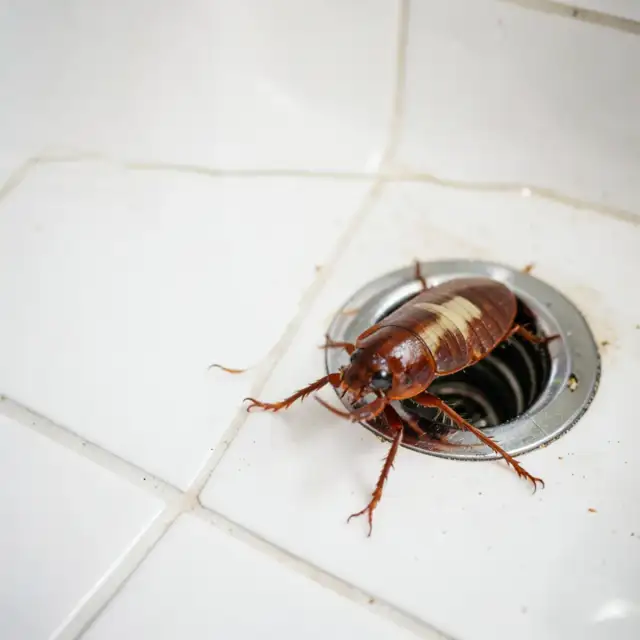
Few things are more jarring in a spotless bathroom than a two-inch roach on the shower floor. The mess is not your fault, and it is rarely your housekeeping. This post explains what is coming up, why summer feels worse, and how drain work fits into bug exterminator service across Tempe and Phoenix.
Why roaches coming from drains in Arizona are so large
Big bathroom roaches here are nearly always American cockroaches. University of Arizona Extension calls this the largest and most common roach in the state, and notes its other name is the sewer roach. Adults are reddish-brown with a pair of dark spots on the yellowish shield behind the head, and both sexes have wings.
The size throws people off. A tiny German roach is the one that signals a kitchen problem. The American cockroach is more often a visitor from the pipe network or the yard. So one big roach is not the same emergency as a dozen small ones, and the fix is very different.
| Compare | American | Turkestan | German |
|---|---|---|---|
| Size | Largest in Arizona | About 1 inch | About 1/2 inch |
| Look | Reddish-brown, winged | Male tan-winged, female dark with cream stripes | Tan, dark stripes behind the head |
| Usual home | Sewers, damp outdoor spots | Outdoors, common in Phoenix and Tucson | Kitchens, appliances |
| Way in | Drains, door gaps, pipe gaps | Under doors, peak in June | Boxes, used appliances, shared walls |
Why summer brings them up
Valley trade experience says these sightings pick up with the heat, and the biology fits. Most cockroaches come from warm, humid origins, and they seek water and dark shelter. On a hot night, a moist pipe is an attractive place to be, and a wet bathroom beats a baked yard. Add these summer factors:
- Warm nights. The university notes male roaches are attracted to lights on warm summer evenings.
- Unused bathrooms. Vacations and empty guest rooms let traps dry out.
- Water use. Irrigation and evaporative cooler water can keep the ground moist near the house.
- Doors and gaps. Doors and windows that fit poorly let flying males indoors.
None of this proves your line is full of roaches. Many municipalities apply pesticide in sewer systems, the university notes, so the line itself is not usually something a homeowner controls. The route into your bathroom is.
How to stop roaches in the shower drain
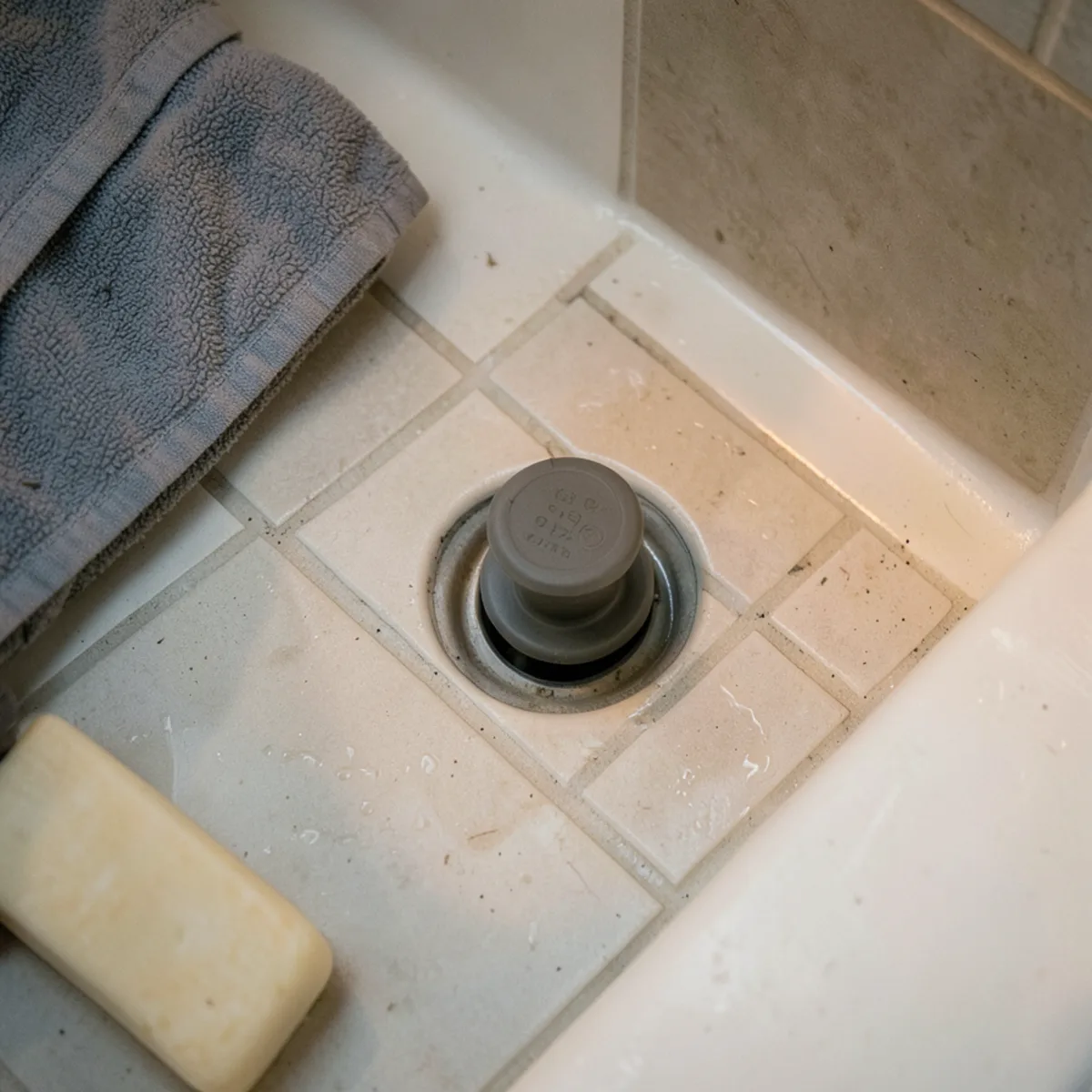
The university says closing drains can be effective, and that is the simplest place to begin. Work through the list over one evening.
- Run every drain. A P-trap only blocks a roach when it holds water, so a minute of water in rarely used sinks, tubs and floor drains refills it.
- Add a stopper. Close tubs and showers at night, or use a fitted drain cover.
- Check the guest bathroom. Run it weekly, or once before bed if you see roaches there.
- Tighten drain covers. Loose shower grates and overflow plates leave space around the opening.
- Clean the drain. Remove hair and film with a brush. Grates and drain covers need periodic attention.
- Repair leaks. The university notes most roaches are drawn to water, so a slow drip keeps them around.
What you keep finding, and what to do first
Match what you see to the likely cause before you buy anything. The first move is usually free.
| What you keep finding | What it usually means | First move |
|---|---|---|
| One big roach in the tub every week or two | An open drain or door route | Stoppers at night, full traps |
| Big roaches in the guest bath only | A trap that has dried out | Run the water, then keep it on a schedule |
| Big roaches near a lit door on warm nights | Males drawn to the light | Low-UV bulb, tighter threshold |
| Tiny fuzzy flies over the drain | Moth flies, not roaches | Clean the drain and overflow |
| Small roaches in the kitchen | Probably German cockroaches | Skip the drain work and get them identified |
| Nymphs or egg cases near a drain | Breeding close by | Save one and call |
Moth flies breed in the organic film inside poorly cleaned drains. The university says drains and sink overflows need cleaning at least once a year, using an enzymatic cleaner followed by very hot water, and a stiff brush if needed. That film is worth removing whichever pest brought you to it.
When the drain is not the way in
Sometimes the drain gets the blame while the roach walks in another way. If drains are closed and you still find them, check the other routes. The university lists sewer lines along with loose-fitting doors and windows and the places where pipes and electrical lines pass through walls.
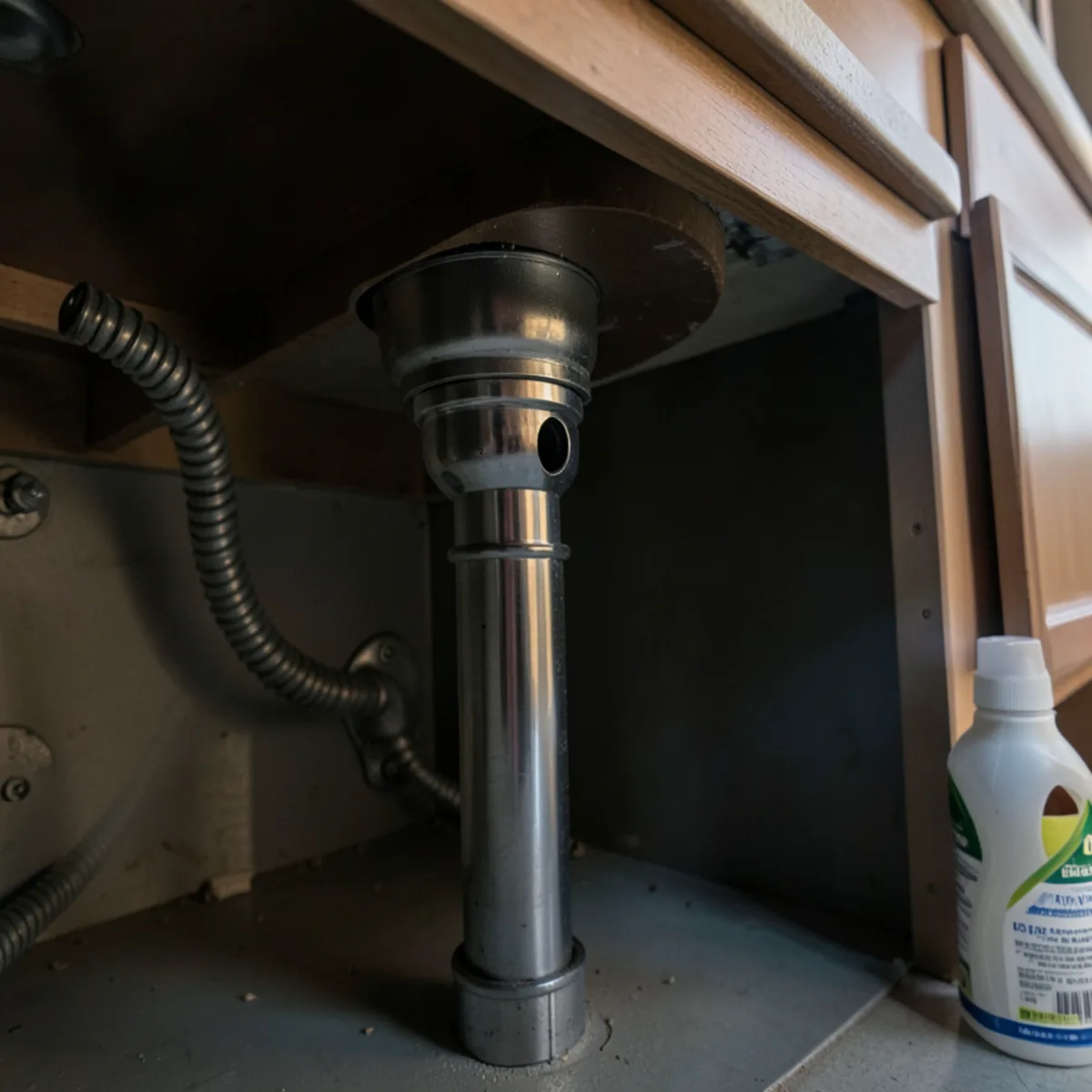
- Look at gaps around pipes under sinks and behind toilets.
- Check the metal escutcheon plates where pipes enter the wall. The university says they should sit tight, since a loose one exposes the opening.
- Fill wider pipe gaps with copper mesh before you apply sealant.
- Make sure any unused sewer pipe is cleaned and capped off.
- Seal cracks of 1/8 inch or larger in the foundation.
- Tighten door thresholds and seal porch and stoop cracks.
- Use low-UV bulbs by entry doors, and avoid fixtures directly above doorways.
- Move potted plants, woodpiles and compost away from the house.
- Look in the garage first, since boxes and pet food give them cover.
Dark, damp boxes outside matter too. The university's cockroach sheet says Oriental cockroaches, about an inch long and shiny black, like water meter boxes and cellars, although their range in Arizona is limited.
For persistent cases, the university's order is bait stations, traps, boric acid or similar products placed carefully, with low toxicity to non-target organisms. Follow each label closely.
How Kai looks at sewer roaches
Kai's view is that this job starts with an honest ID. A big roach and a little roach are different problems, and treating one like the other wastes your money. The useful questions are what you saw, in which room, and how often.
The honest trade-off is that a treatment cannot refill a dry trap or tighten a loose drain cover. What it can do is deal with roaches around the house and in the gaps, and that is worth paying for once closing the routes has not been enough. Try the free fixes first, then decide.
Customers say he treats inside and out and explains what he is doing and how to prevent problems. If you are seeing small roaches in the kitchen, go straight to the German cockroach control page, because that is a different job. For the larger drain and yard roaches, cockroach control covers how a visit addresses them. Keep a photo, or the roach itself in a sealed bag, and it can settle the question in one call.
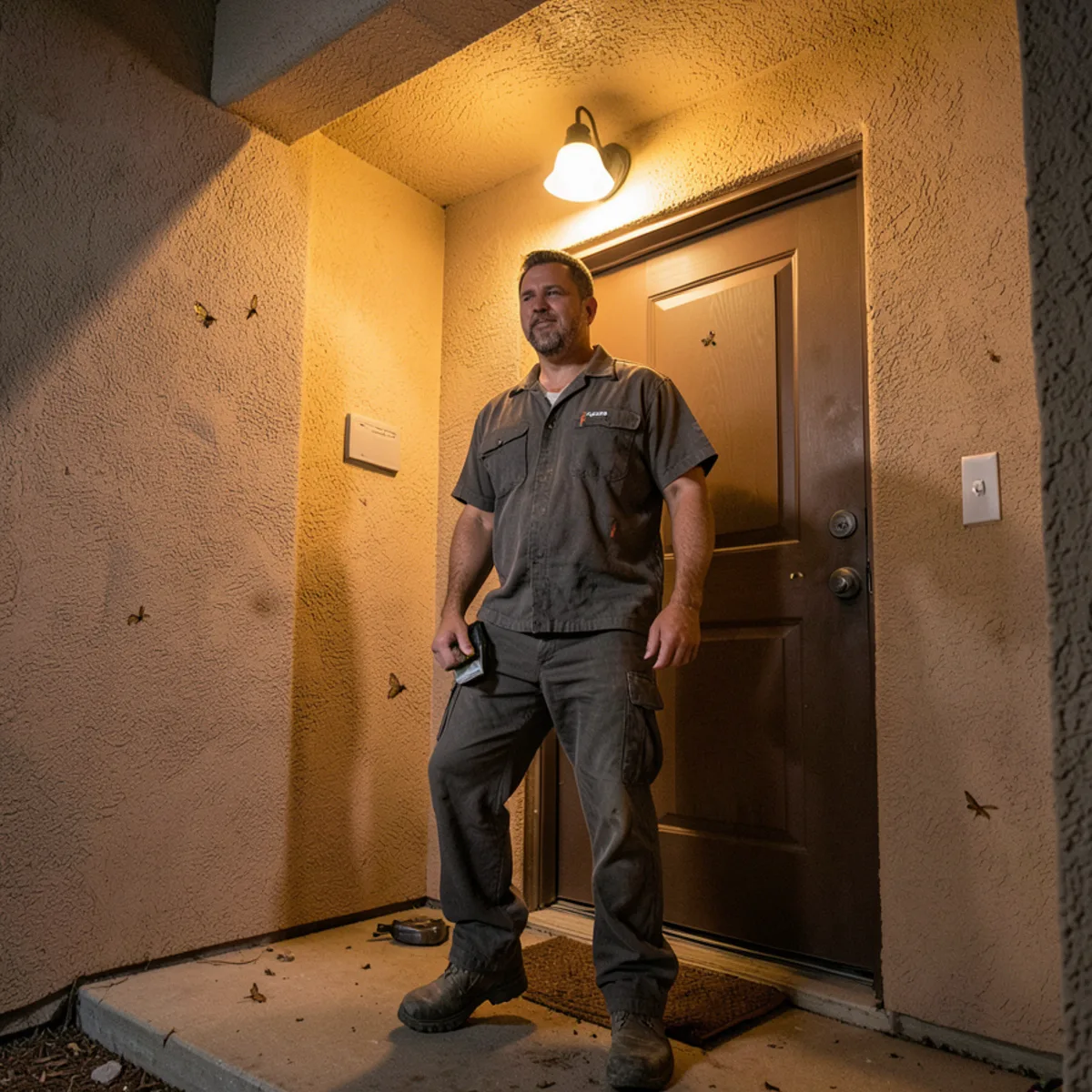
Still finding them after closing the drains? Call (209) 563-1650 and tell Kai which rooms.
Sources
About the author
Kai Horner owns and runs Kekoa Pest Control, a family-owned pest and weed control business based in Tempe, AZ, serving the East Valley since 2022. More about Kai