
Rodent Control · By Kai Horner, owner of Kekoa Pest Control · Published · Updated
Roof rats settled into the Phoenix area around 2001, according to University of Arizona Extension, and old citrus, palms and irrigated yards suit them well. They climb, jump and chew, so the question of traps or sealing is really a question of order. Our rodent control page covers the wider picture, including mice and pack rats, which behave differently.
Each tool solves one half of the problem. A trap removes a rat. A sealed gap removes the route. Your home needs both, unless one half has already been done.
Trapping or sealing: the best way to get rid of roof rats depends on order
| Tool | Strength | Weakness |
|---|---|---|
| Snap traps | Removes rats inside now, shows you the catch | Does nothing about the entry point |
| Exclusion | Stops new rats, ends the repeat cycle | Traps rats inside if done alone first |
| Sanitation | Lowers food and water drawing them in | Slow alone, depends on neighbors too |
| Poison bait | Can reduce numbers in some settings | Unseen deaths, non-target risk, smell |
The working sequence looks like this:
- Confirm it is a roof rat. Check for droppings, smudges high up and hollowed citrus.
- Find the entries. Walk the roofline, vents and pipe penetrations.
- Set traps inside while you plan the sealing.
- Seal all but one or two main entries, and keep trapping.
- Once catches stop, close the last gaps.
- Clean up droppings and nesting material.
- Keep watching for new signs for several weeks.
Rats can chew back through weak repairs, so check the sealed spots again after a month.
Roof rat traps: where and how
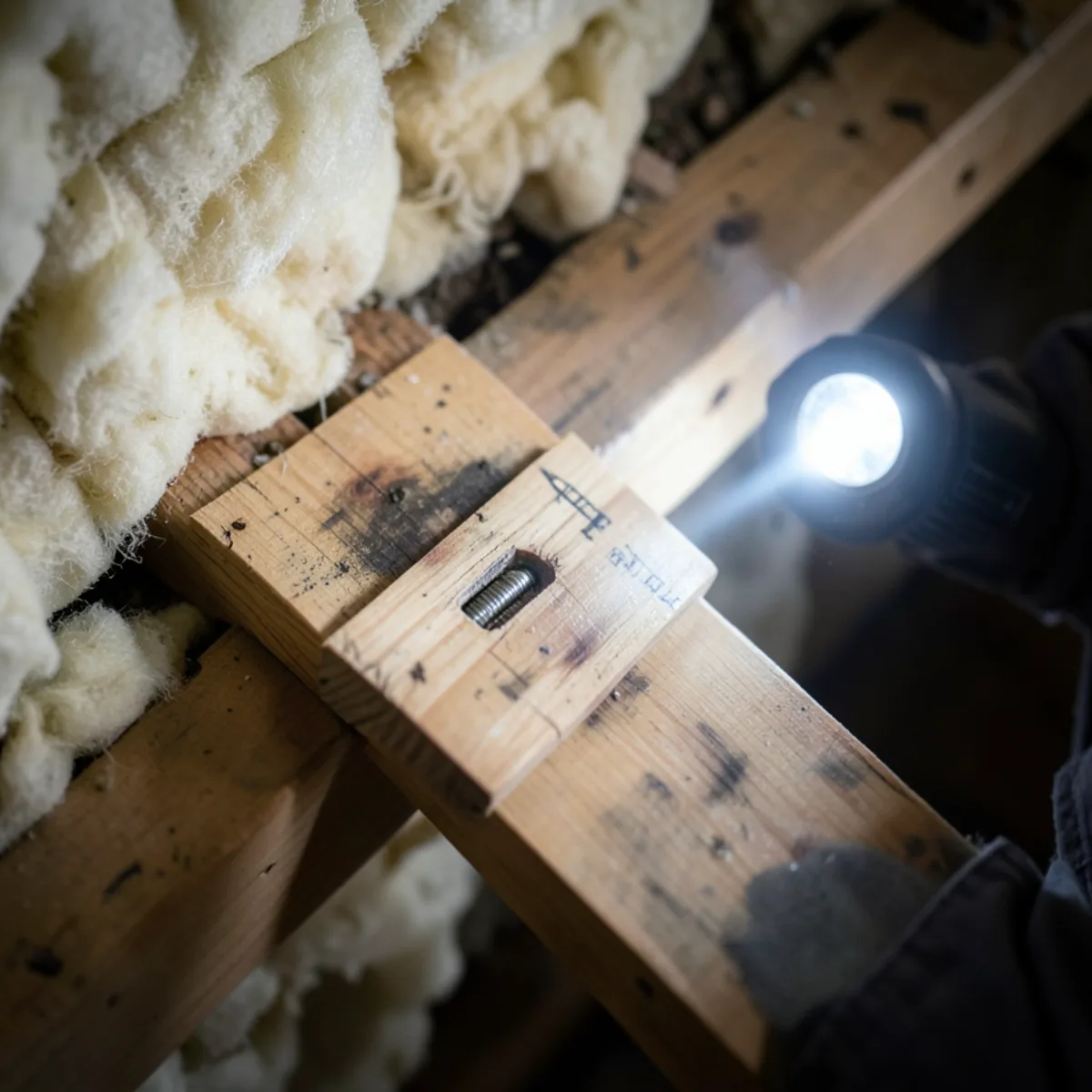
Most homeowners set traps too low. County data puts about 90 percent of a roof rat's life at 4 feet or higher, and University of Arizona Extension describes them as climbers that favor elevated routes. Look for the runways.
- Attic edges, rafters and the tops of walls.
- Beside scratch marks on insulation. The county suggests a snap trap right at that entrance.
- Along pipe chases and garage shelving.
- On top of block walls and shed roofs, in a covered box where kids and pets cannot reach.
Use several traps, not one. Keep them fixed in place so a rat cannot drag them away. Wear gloves and check them daily, because a dead rat attracts other pests. Reviewers mention Kai setting traps and clearing each catch, so ask about that if you would rather not handle it.
Why a new trap can sit untouched
Roof rats are cautious. University of California IPM says rats often avoid new objects for several days or longer, and that the habit is thought to be stronger in roof rats than in Norway rats. It also warns that a rat which sets off a trap and escapes is very hard to catch again. So a rushed setup can cost you more time than a slow one.
- Leave traps baited but unset until the bait has been taken several times.
- Use a pea-sized piece of nut or dried fruit, tied or glued to the trigger.
- Space traps about 10 to 20 feet apart. Along a wall, set them in pairs so rats meet one from either direction.
- Plan on more traps than you think. A heavy infestation can take a dozen or more.
Cleanup matters. Maricopa County says to wear rubber gloves, ventilate the area first and spray with a 10 percent bleach solution for at least 15 minutes of contact time. Do not sweep or vacuum. Double-bag the waste and put it in your city trash. The county also says roof rats here continue to be tested for tularemia, hantavirus and plague, with negative results to date, so take care without panicking.
Rodent proofing: what a good seal looks like
Maricopa County's numbers set the standard. A roof rat can get through any opening larger than a nickel, jump about 2 feet up and 4 feet across, and chew through wood, plastic, siding and drywall. Soft fixes do not last.
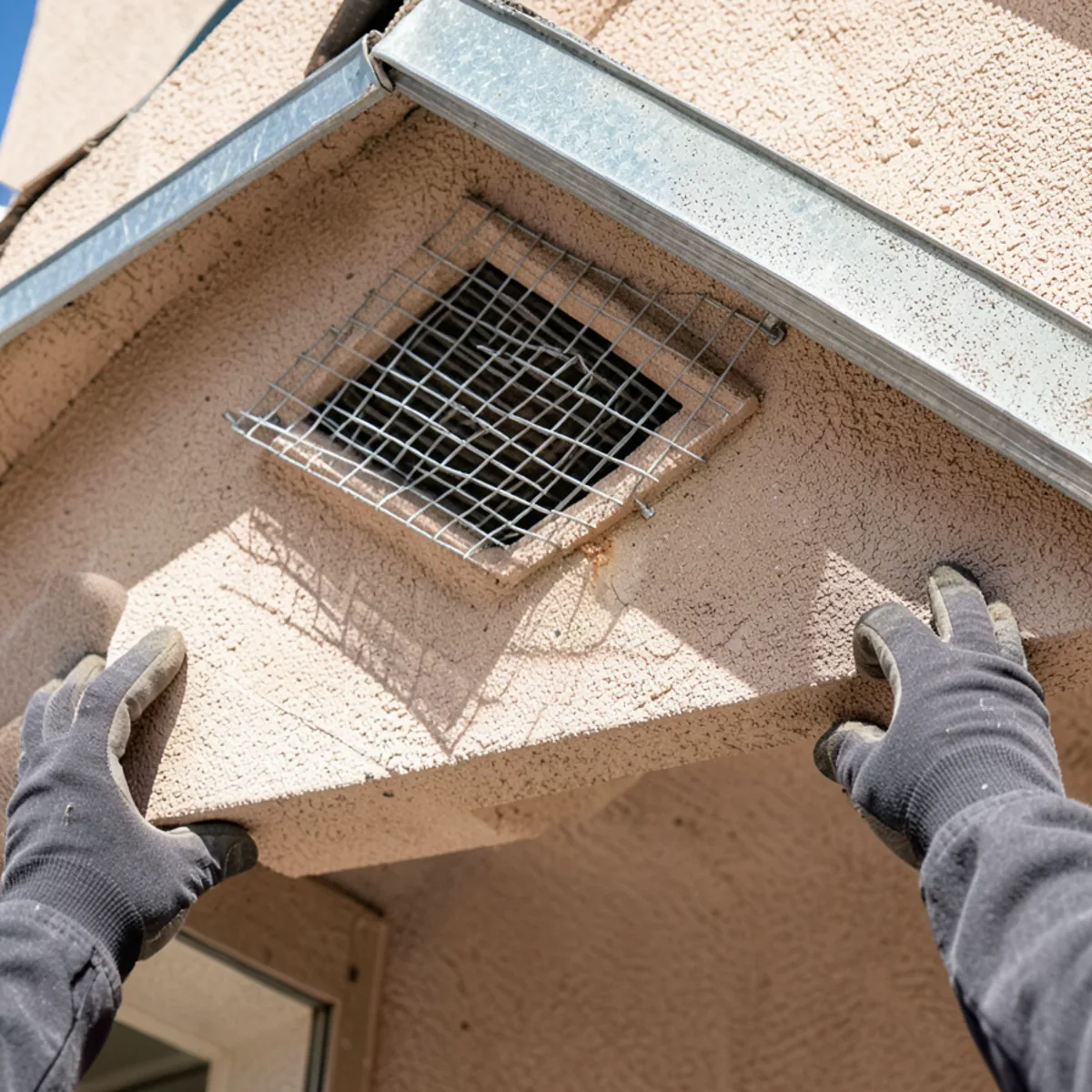
- Screen holes and vents with stucco diamond mesh, or quarter-inch hardware cloth as University of Arizona recommends.
- Caulk cracks, and use exterior-rated sealant.
- Screen roof sewer stacks.
- Stuff the AC line cover with steel wool or copper mesh.
- Cut branches and oleanders away from the roof. Rats use them as bridges.
- Check where utility lines reach the house.
Whole-house rodent exclusion is real construction work, and the scope depends on the property. Ask Kai by phone if yours is a job he would take.
When you compare quotes, the cost of each half turns on different things. Trapping depends on how many visits it takes and whether the attic is easy to reach. Sealing depends on the number of openings, roof height and type, vent count and how much mesh or metal the repairs need. A cheap trapping visit with no entry work may simply be the first of several.
Rat poison problems you should know about
University of Arizona Extension is direct: rodenticides are designed to kill mammals and may pose a significant risk to non-target mammals, including people. It also says indiscriminate use is not advisable, especially for rodents of an unknown species. Many of Arizona's native rodents pose no threat.
EPA adds three facts worth weighing. Anticoagulant deaths typically occur about four days to two weeks after feeding begins, so the animal dies wherever it happens to be, and in a home that can mean inside a wall. Wildlife can be poisoned by eating animals that ate bait, which is the main worry with longer-lasting compounds. And the stronger second-generation products are no longer sold to consumers at all.
Bait has a place in some professional programs, in tamper-resistant stations. It is not a substitute for sealing, and in an attic it can leave you with an odor you cannot reach.
Take away the reason they came

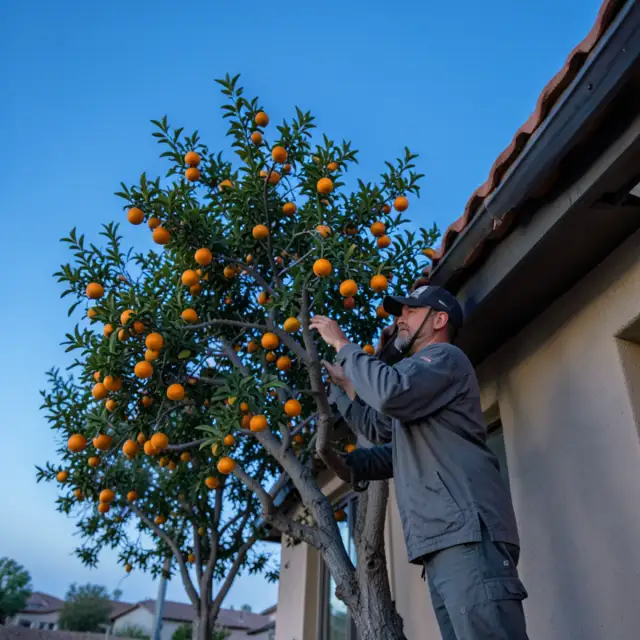
Citrus is the big draw. Extension says rats hollow out fruit on the ground and in the tree, leaving the rind. Rats are also fed by nuts, seeds, garden vegetables, bird seed and pet food left out after dark. For water they use leaks, sprinklers, bird baths, ponds, AC condensation lines and pet bowls.
Pick fruit as it ripens and clear what falls. Bring pet bowls in at night. Fix drips. Maricopa County notes that rats usually travel within 200 to 300 feet of their nest, so a neighbor's tree counts too. Talk to them.
How you know the job is finished
Silence for one night does not prove much. Use a short list instead, and tick all of it before you close the last gap and take traps down.
- No new catches for a couple of weeks, with fresh bait still untouched.
- No fresh droppings on a spot you cleaned.
- No scratching overhead at dusk or before dawn.
- No new gnawing on wires, pipes or insulation. University of Arizona Extension treats chewed wiring as a fire hazard.
- No new hollowed fruit on the tree.
- Sealed spots still whole a month later.
Watch for one aftereffect. Extension notes that tropical rat mites and spiny rat mites can move from roof rats onto people, so new bites after the rats have gone are worth mentioning when you call.
How Kai handles a roof rat call
Kai looks for the route first. Sound in the attic tells you there is a rat. The route tells you what to do about it. Reviews describe traps set and catches cleared, with the reasoning explained, so you can see what is being caught and where. He works around Tempe and across the metro, including Phoenix neighborhoods with mature citrus.
If you have found hollow oranges or heard noise overhead, call (209) 563-1650 and ask Kai when he can get out to you.
Sources
- Maricopa County: Vector Control Roof Rats FAQ
- University of Arizona Cooperative Extension: Roof Rats, Identification, Ecology, and Signs (AZ1775)
- University of Arizona Cooperative Extension: Pest-Proofing Your Home (AZ1677)
- EPA: Restrictions on Rodenticide Products
- University of California IPM: Rats Pest Note
About the author
Kai Horner owns and runs Kekoa Pest Control, a family-owned pest and weed control business based in Tempe, AZ, serving the East Valley since 2022. More about Kai