
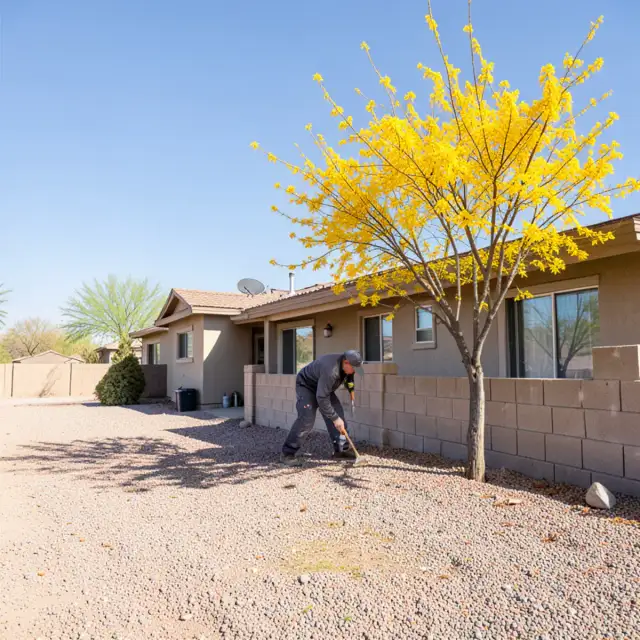
Pest Control Services · By Kai Horner, owner of Kekoa Pest Control · Published · Updated
Arizona gives you a short, comfortable window to fix things before the heat. Use it. An hour on a mild morning can do more than a summer of chasing bugs, and it tells you whether pest control in Tempe or your own town is even needed this year. Carry a flashlight, a notepad and a tube of caulk.
The months below set the order of the work.
| When | What is starting | What to get done |
|---|---|---|
| Late February | Summer weed seed is close to germinating | Pre-emergent, by about March 5 in Phoenix |
| March | Ants forage, roof rats stay busy | Roofline, doors and pipe gaps |
| April and May | Bee swarms are common | Mesh on valve boxes and rainspouts, seal empty voids |
| Late May onward | Warm nights suit bark scorpions | Finish door sweeps and weep screens |
Spring pest control in Arizona starts at the roofline
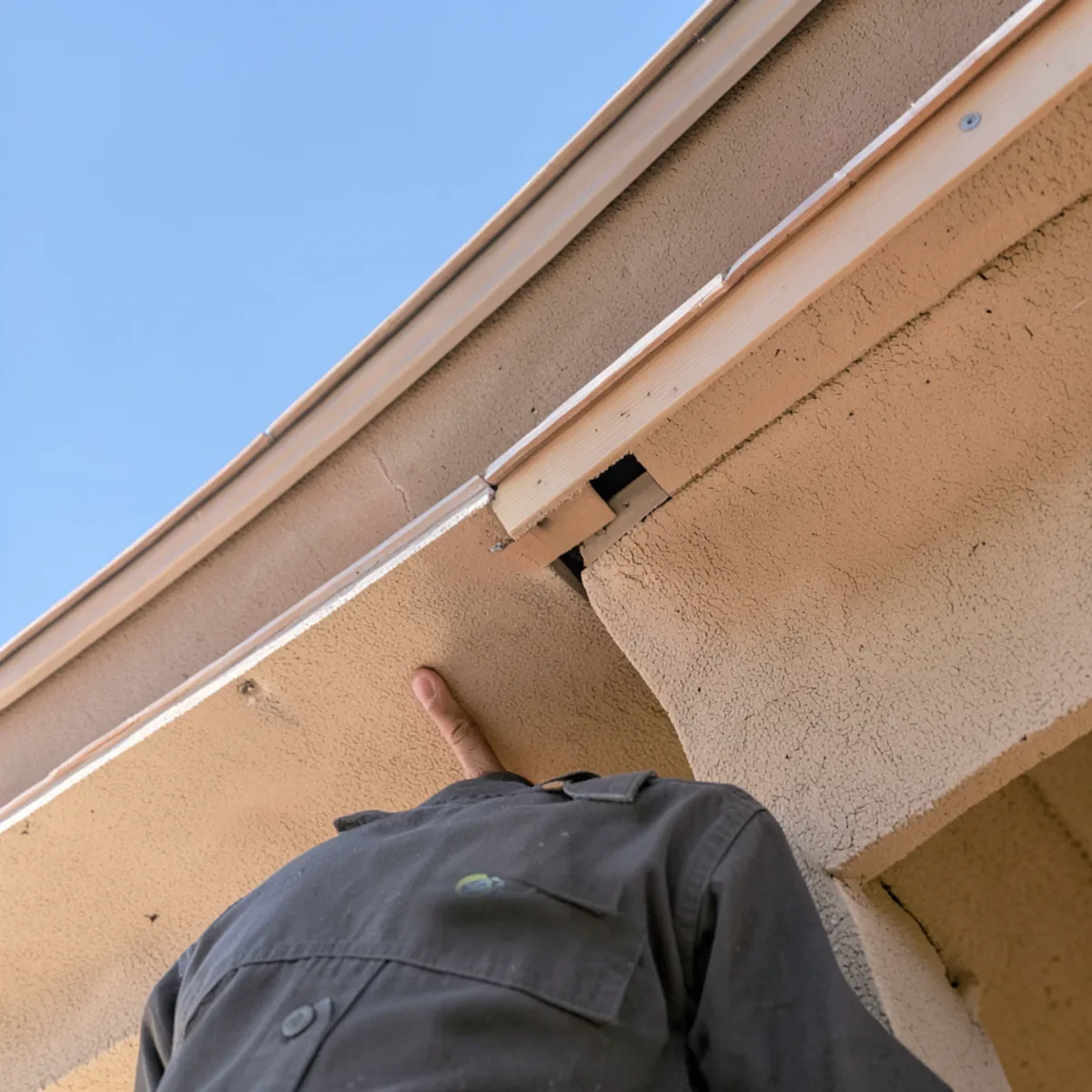
Begin high and work down. University of Arizona Extension's pest-proofing guide lists gaps at windows, doors and fascia boards among the usual entry points.
- Eaves and fascia. Look for gaps under the roofline. Birds, rodents and insects use the same openings, and Extension suggests wire netting or ¼-inch hardware cloth for larger ones.
- Vents. Check attic and foundation vent screens for tears.
- Trees. Note any branch touching the roof, because Extension says those give scorpions and rats a path up.
- Rainspouts and chimneys. Fit mesh. Extension recommends it to discourage bees from nesting.
Roof rats are still in their busy season. Extension says they are far more active from November through May, so spring is a good time to look for gnawing around eaves and hollowed fruit in the yard.
The ground-level walk
Now circle the house at eye level, then look down.
- Doors. From inside, look for daylight around each door. Fit or replace sweeps and weather-stripping.
- Garage. Check the bottom seal and clear the corners.
- Windows. Repair torn screens and check the fit.
- Pipes. Caulk around hose bibs, AC lines and cable entries.
- Foundation. Seal cracks of ⅛ inch or larger, the size Extension gives for keeping bees out of voids.
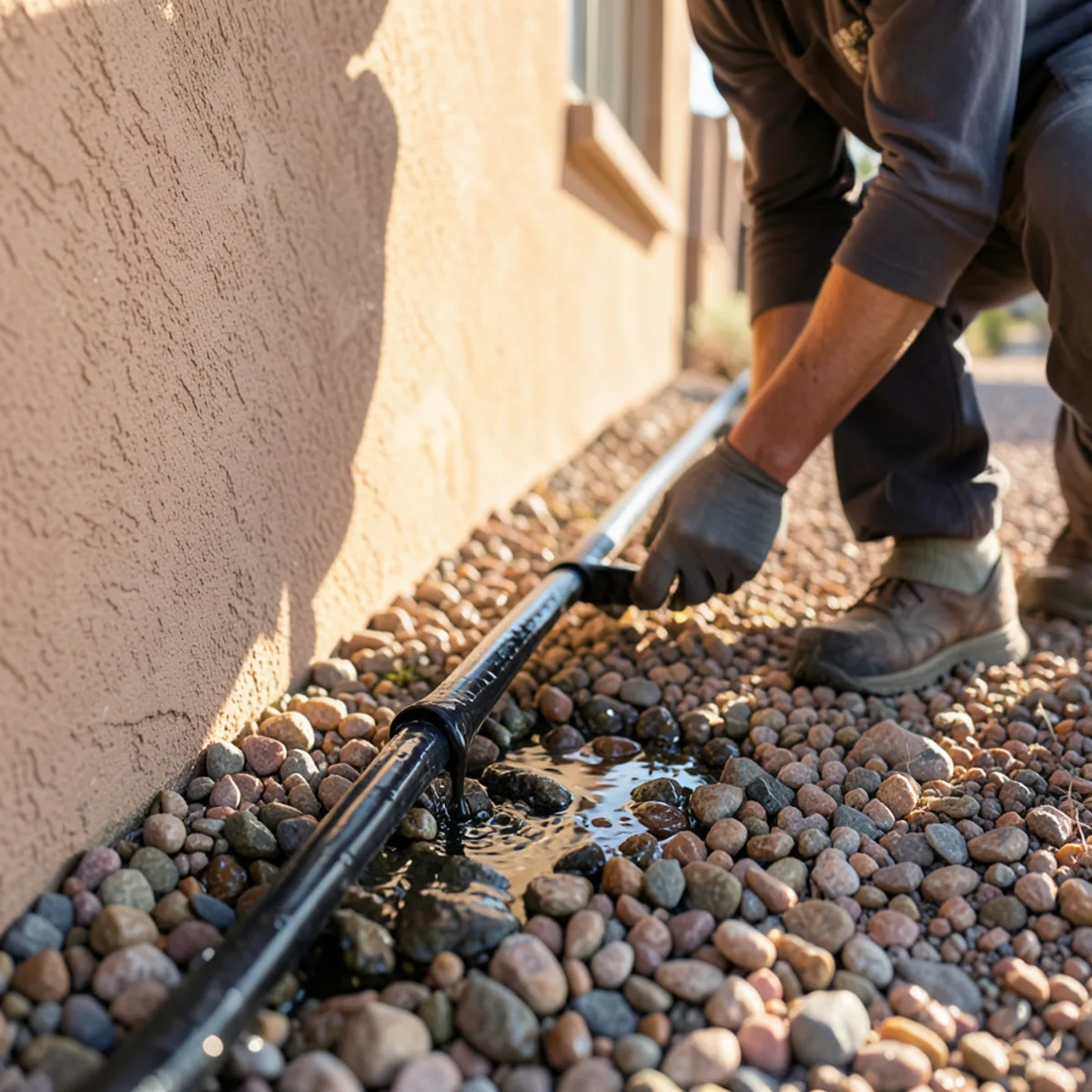
- Weep screed. Screen with coarse steel mesh. Never plug it, because it has to keep draining.
- Water and meter boxes. Lift lids with a tool, keep your face back and look for bees, widows or roaches.
Do not seal any hole with bees going in and out of it. Extension is clear on that. A live colony needs removing first.
Swarming starts in spring, so keep an eye on the yard through April and May. A cluster on a branch often moves on within a few days, but bees using a crack or valve box have settled in.
Paper wasp queens look for sheltered spots at the same time. Check under eaves and patio beams while you are out there, and use our season plan for keeping wasps from nesting if you find a starter nest.
What to have on hand
Extension's pest-proofing guide is specific about materials, and the right one saves doing the job twice.
| Job | Use |
|---|---|
| Small cracks outside | Outdoor-rated silicone sealant, which outlasts latex caulk |
| Wider pipe openings | Copper mesh first, then sealant |
| Larger holes | A solid match such as cement or mortar |
| Windows and vents | 20-mesh screen, repaired promptly |
| Gable and eave gaps | Wire netting or ¼-inch hardware cloth |
| Garage door bottom | Brush or rubber seal, not vinyl |
Irrigation and yard jobs before the heat
Water decides where pests spend the summer. A small drip does a lot of harm in a dry climate.
| Job | Why it matters |
|---|---|
| Fix leaking taps and drip lines | Extension lists leaks as a water source for bees, and scorpions drink from small pools |
| Pull mulch and gravel from the stucco line | Keeps a clear view and a drier edge |
| Trim shrubs back from walls | Extension suggests about 24 inches of clearance |
| Move wood, pavers and pots away from the house | Removes cover for scorpions and widows |
| Pick up fallen citrus | Removes food for roof rats and ants |
| Keep pet food and bird seed off the ground at night | Cuts food for crickets and rodents |
Lawns and gravel also have a date on the calendar. Late February is around the time for spring pre-emergent weed control, if you did not get to it.
Trash areas and storage
Bins and garages are easy to forget, and both are full of things pests want.
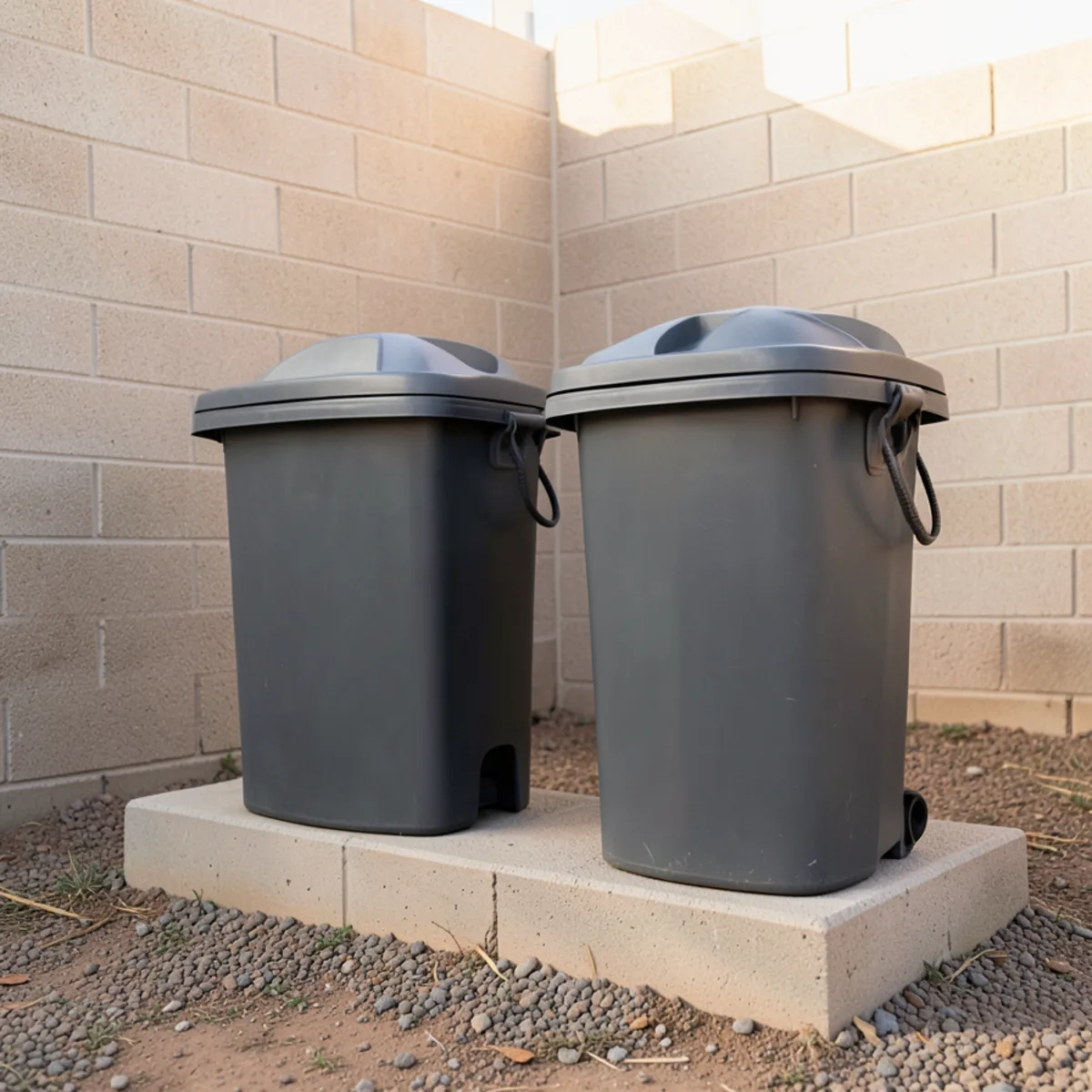
- Rinse out bins and keep lids shut.
- Rest bins on a frame above the ground, as Extension suggests for scorpion areas.
- Move bins and dumpsters away from entry doors.
- Sort the garage. Cardboard gives roaches and spiders cover.
- Lift stored items off the floor.
- Empty anything that collected winter rain.
Ten minutes under the sinks
A spring walk-through should not stop at the front door. Extension calls kitchens and bathrooms especially suitable for pests, since they offer food, warmth and moisture. These indoor checks catch what the outside walk cannot.
- Look for loose escutcheon plates, the metal rings around pipes under sinks. A loose one leaves a pipe gap into the wall.
- Feel for damp under sink cabinets, and look for stains on ceilings.
- Pull out what you can and clean under the stove and fridge.
- Move pantry staples and pet food into airtight containers.
- Clean the gap between window and screen, where debris feeds scavenger insects.
- If you compost, check that the lid closes, and line the bin with hardware cloth against rodents.
Spring ants in Arizona: what to do first
Ants are often the first call of the year. Before you spray, follow the trail to see where it enters. University of Arizona Extension gives four steps for household ants: keep food sealed, seal cracks along the trail, scrub the trail with detergent to remove the scent and, if treatment is needed, use bait. It warns against spraying where bait is in use, because spray stops ants from carrying it to the colony.
How Kai uses a spring visit
Spring is a planning season as much as a treating season. Reviews mention treatment inside and out along with practical prevention advice, and a pre-summer visit is a good time to get that advice for your own house. He can point to what he would seal, what he would trim and where he expects the first scorpions.
There is a fair question of what to do yourself. Caulk, sweeps, trimming and tidying are good owner jobs, and nobody needs to pay for those. Anything with live bees, a tall ladder, a tile roof or a gap you cannot identify is a different matter. Sealing also comes before treatment where you have the choice, because a spray along a wall does little for a door that still shows daylight.
How often someone needs to come after that depends on the house and what the walk-around turned up. Many quiet homes can look at quarterly pest control. Homes with scorpion history usually want a closer eye during summer.
This list suits homes across the East Valley, including older citrus lots and newer streets around Mesa. Older neighborhoods tend to have more pipe and door gaps, and desert-edge streets see more scorpions.
If the walk-around turned up more than you want to tackle, call (209) 563-1650 and Kai will tell you what is worth doing first.
Sources
- University of Arizona Extension, AZ1677: Pest-proofing Your Home
- University of Arizona Extension, AZ1846: Wild Honey Bees in Community Environments
- University of Arizona Extension, AZ1768: Scorpions of the Desert Southwest
- University of Arizona Extension, AZ1775: Roof Rats
- University of Arizona Turf Tips, February 1997
- University of Arizona Extension, Backyard Gardener: Ants
About the author
Kai Horner owns and runs Kekoa Pest Control, a family-owned pest and weed control business based in Tempe, AZ, serving the East Valley since 2022. More about Kai