
Emergency Rodent Removal in Tempe, AZ
Emergency rodent removal in Tempe starts with shutting the animal into one room and keeping people and pets out of it. Then call Kai, who sets traps and, customers report, cleans up after each catch. Timing depends on his day, and he will give you a straight answer on it.
- 5.0★ on Google (54 reviews)
- Family owned, owner operated
- Serving since 2022
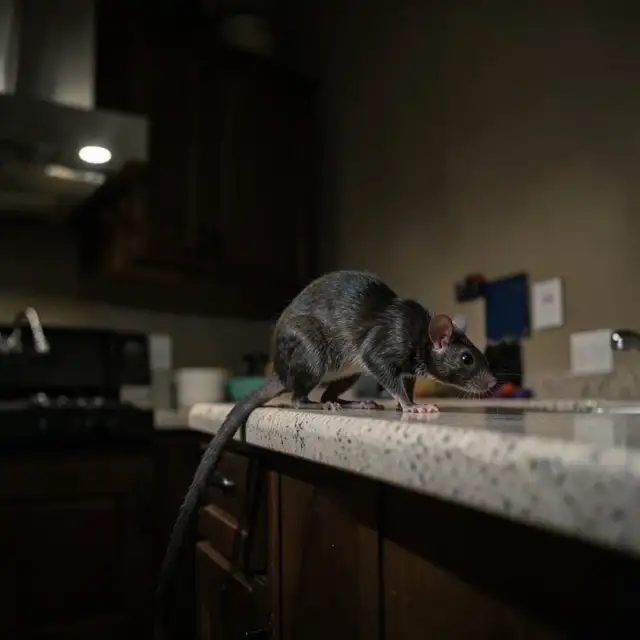
Rodents in the walls are a problem. A rat on the kitchen counter is a different kind of evening. This page covers the urgent version, as part of our wider emergency pest control guide for Tempe homes: how to contain the animal, how to clean up, and what happens next.
What counts as a rodent emergency?
Most rodent work is scheduled. These situations are worth a call right away:
- A live rat or mouse loose in the kitchen, bedroom or nursery.
- A rodent stuck in a room, wall or cabinet and making noise.
- Chewed wires. Extension notes gnawing on wires is a fire hazard, so call 911 if you smell burning or see sparks.
- Droppings on food surfaces or in a baby's room.
- A strong smell or noise from a sick or dead animal indoors.
These can usually take the next opening:
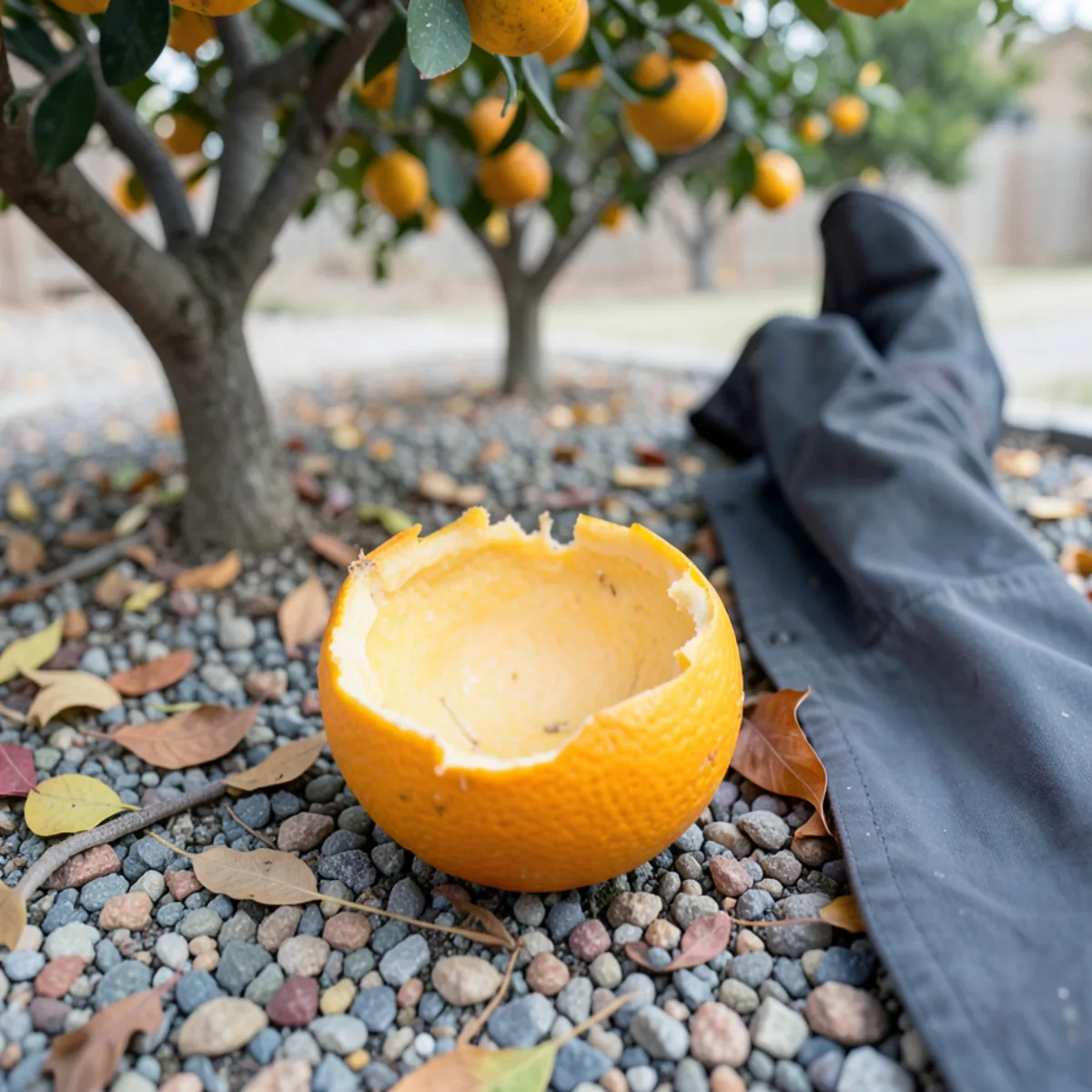
- Hollowed citrus on the tree or on the ground.
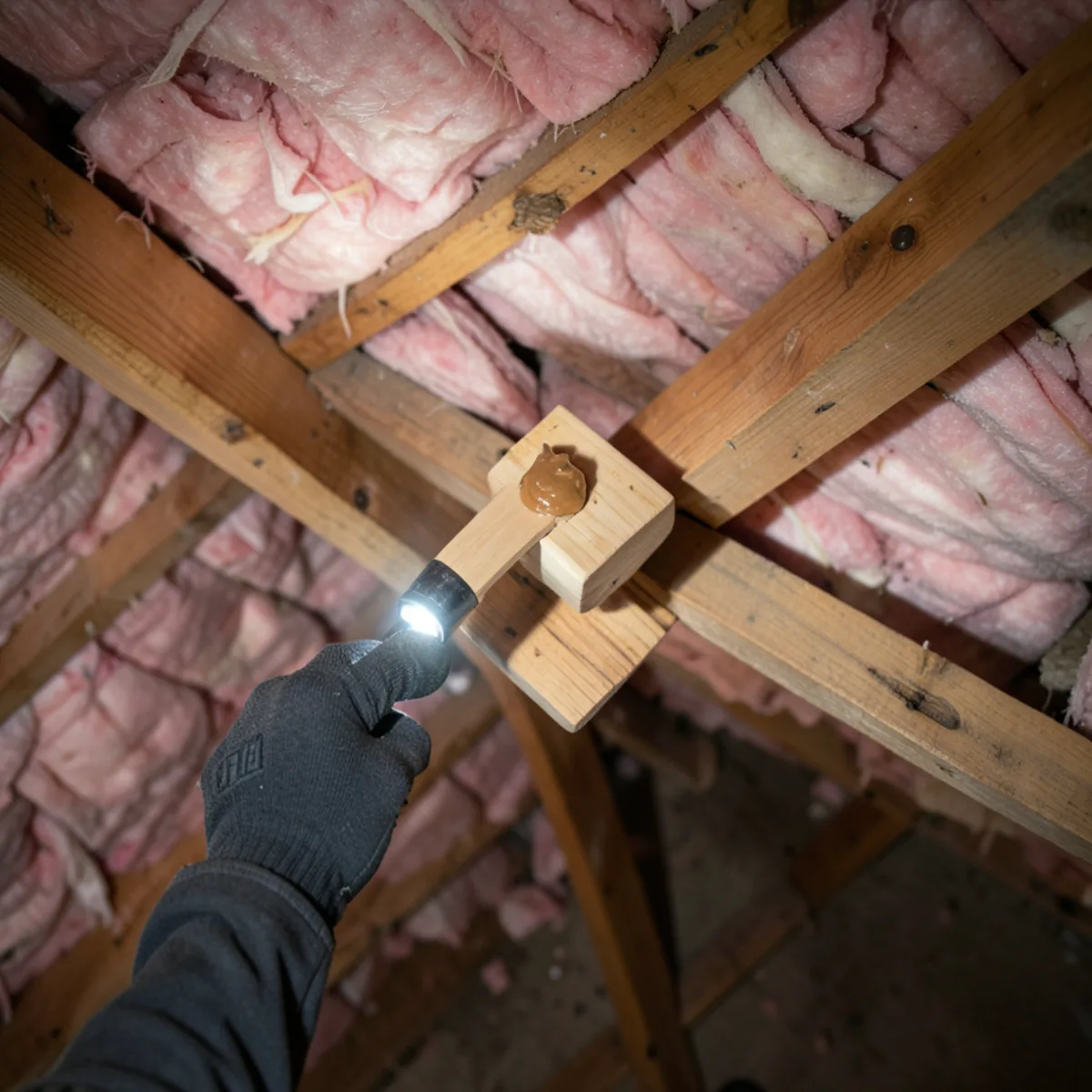
- Droppings in the garage or attic with no animal in sight.
- Scratching in the ceiling at night with no sign of it in the living space.
In the Valley, the animal is often a roof rat. University of Arizona Extension says they settled into old citrus, palms and mature landscaping after being documented in Phoenix in 2001. Older Tempe yards fit that description. Maricopa County says they travel 200 to 300 feet at night, so the source may be a tree next door and not your own.
Rat in the house: what to do right now
- Get kids and pets out of the room and close the door.
- Roll a towel along the bottom of the door so the animal stays put.
- If there is an outside door in that room, open it, step away and turn off the lights.
- Do not chase or corner it, and do not pick it up, even if it looks dead.
- Put food away and cover pet bowls.
- Call (209) 563-1650 and describe where it is.
Mouse in the bedroom? The same steps work. Mice are smaller and quicker, but a closed door and a quiet room still help.
Leave poison baits alone for now. An animal that dies in a wall creates a second problem, and pets can find bait.
Cleaning up droppings without stirring them up
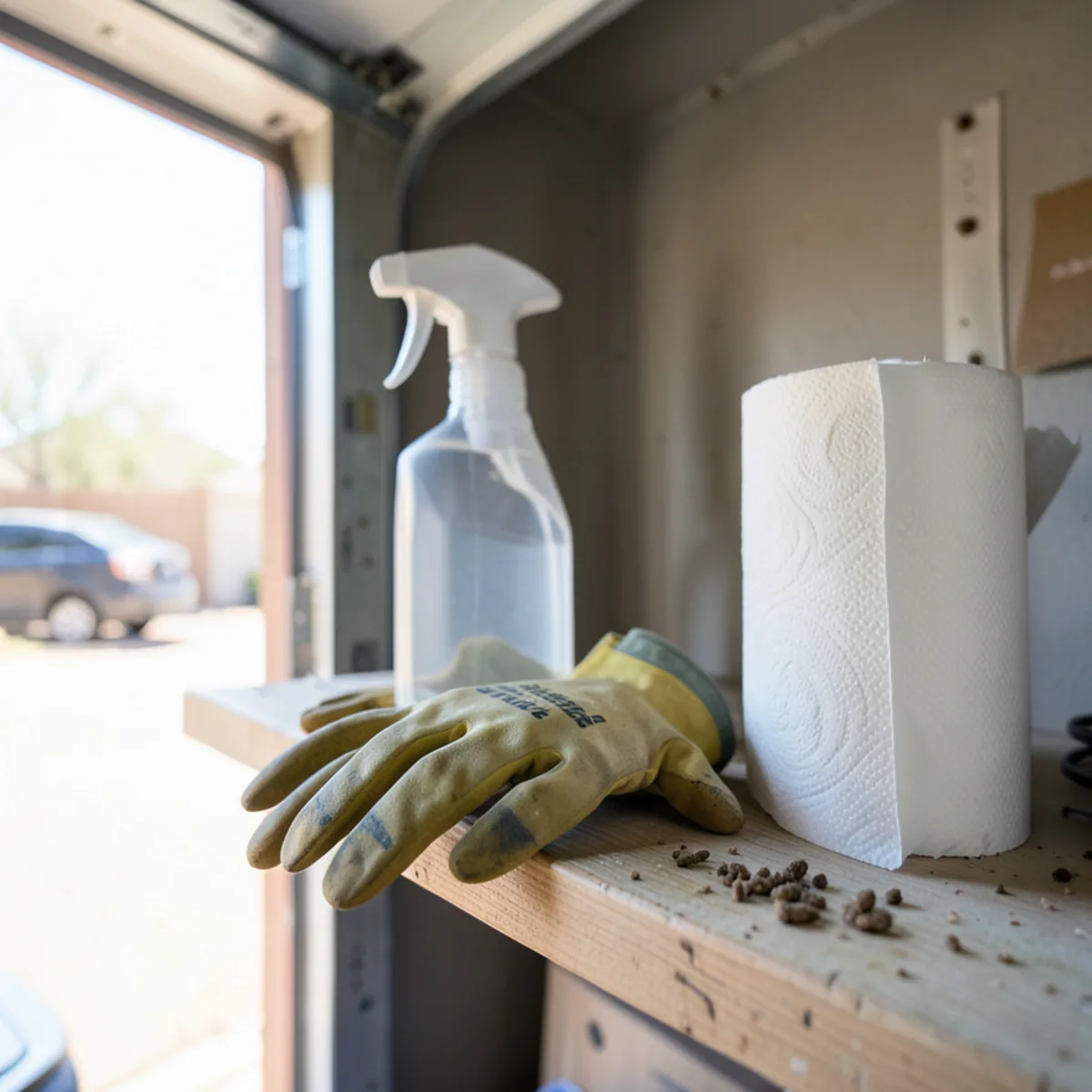
CDC advice for urine and droppings is straightforward. Do not sweep or vacuum, since that can put particles in the air. Open doors and windows for 30 minutes, wear rubber or plastic gloves, then soak the mess with fresh bleach solution (1.5 cups per gallon of water) or a labeled disinfectant. Wait 5 minutes, wipe with paper towels, bin them, and disinfect the surface. Wash your hands afterward.
For heavy infestations, CDC recommends more protective gear, so call before starting on anything large.
Prefer to write? Request a quote
Calling is fastest. If you are on a job or at work, leave your details and Kai will get back to you.
Emergency rodent removal in Tempe: how quickly can Kai come?
He answers the timing question honestly on the phone, after hearing what you have found. He works by himself, and his published week runs 6 to 5 on weekdays plus Saturday mornings from 8 to noon. A rat spotted late Saturday or on Sunday usually waits for Monday, so the steps above matter.
If an opening exists, he will take it. If none does, he will tell you when, and explain how to keep the room contained until then. The same-day pest control page explains how his schedule works, and one Sun Lakes reviewer describes an immediate response to an emergency.
If stinging insects are part of the same problem, see urgent bee and wasp help.
What happens on the first rodent visit
- Kai asks where you saw or heard it and what you found.
- He checks kitchens, sinks, the attic if accessible, the garage and the outside walls.
- He looks for likely routes. Maricopa County says roof rats fit through openings around the size of a nickel and follow pipes down to sink cabinets.
- You agree on the plan and price.
- He sets traps in the right places, out of reach of kids and pets.
- He comes back to check them. Customers report he cleans up after each catch.
A customer on monthly service also mentions mice work on a few occasions. Trapping stops the animals inside the house. Closing entry points is a further job, so ask whether that is something he would take on at your home.
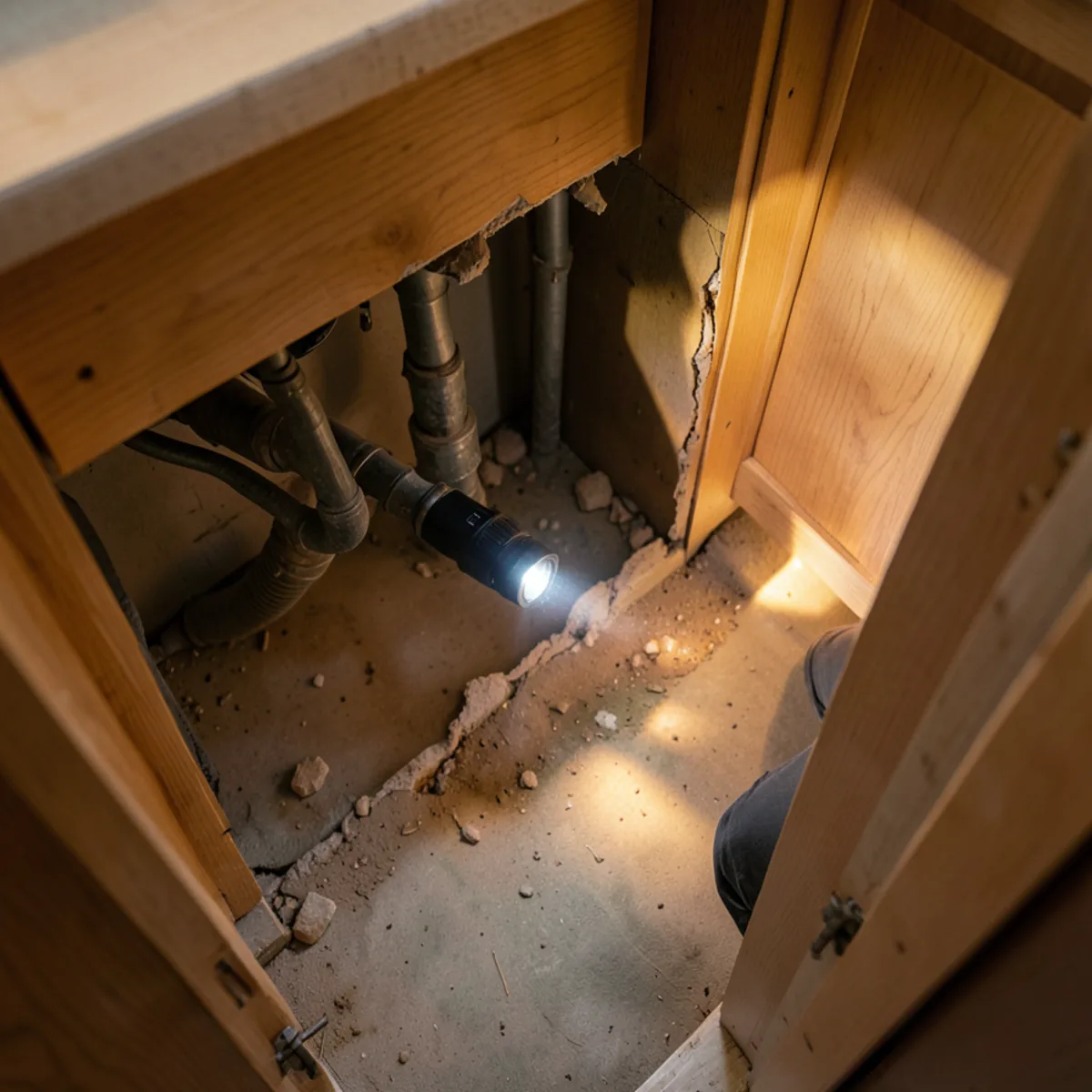
What rodent removal includes on an urgent call
The first visit is about stopping what is inside. It has limits worth knowing up front.
- Inspection of the kitchen, sinks, garage and outside walls, plus the attic if it can be reached.
- Traps placed along likely routes, out of reach of kids and pets.
- Return checks, with cleanup after each catch, as customers report.
- Advice on fruit, palm fronds and food storage that draw rats.
- A clear account of the openings that remain.
It does not include repairing walls or attic insulation, or disinfecting heavy contamination. Catches come on the rodent's schedule, so expect more than one trip and a few quiet nights before anyone calls it finished. If an animal dies inside a wall, finding it may mean opening drywall, which is a repair job.
How is pricing discussed for a rodent call?
Get the figure before work starts. Kekoa has no published rodent rate, and these change the job:
- Number of traps and how many return visits they need.
- Where the rodents are: attic, walls, kitchen or yard.
- Amount of cleanup required.
- Whether closing up entry points is part of the job.
- Distance from Tempe.
On Tempe homes, the attic and the yard do most to set the scope. An older house with mature citrus and palms can have more routes than a newer one, and a low attic packed with insulation is slower to work than an open one. Time of year plays a part as well, since a call in the busy months from November through May may mean more activity to deal with. Ask how many trips the figure covers, what happens if rodents keep coming after the first catch, and whether droppings cleanup is included or left to you. If the home is a rental, settle who pays before the first trap goes down.
Who to tell about roof rats in Maricopa County
Roof rats are a private-property job with a public reporting route. Maricopa County Vector Control investigates roof rat complaints to find out who is responsible, so the problem can be addressed, but it does not provide bait stations or traps. Mesa's city guidance also tells residents to report them to the county. That route matters when the source sits on a neighbor's lot, because trapping your own house does nothing for the citrus tree next door.
Renters should tell the landlord right away. A.R.S. 33-1324 requires rentals to be kept fit and habitable, though it does not mention rodents, and the lease may say who arranges trapping. If bait or other pesticide is part of any company's plan, A.A.C. R3-8-201 requires that business to hold a state pest management license, so ask for the number.
Why Kekoa for a rodent in the house
- Customers report traps and cleanup after each catch, so you are not left dealing with it.
- Kai explains how to prevent a repeat, which matters with roof rats moving through the neighborhood.
- A long-term customer credits him with mice work as part of regular service.
- One person handles every return trip, so the follow-up stays consistent.
Rodent work runs on follow-through, and that is what one reviewer praised: timely trap setting at a relative's home, then cleanup after each of two catches. Kekoa's 5.0 rating from 54 Google reviews, as of November 2026, rests on habits customers mention across pests. He is on time, he is thorough, and he explains what he is doing.
Kekoa is based in Tempe and takes rodent calls in Mesa, Sun Lakes and Phoenix. For a rodent emergency in the East Valley, your location and the time you call shape how soon he can come.
5.0★ from 54 Google reviews
What customers say about emergency rodent removal with Kai
“He responds to emergency situations immediately! And the best part of working with Kai is that he is the most genuine, friendly and competent contractor we have worked with in our 18 years in Sun Lakes!”
“Kai did a great job with rodent extermination at my In-Laws house. He was professional and timely with setting the traps and cleaning up after each one was captured, two in total.”
“I was experiencing cockroaches in my new home and they were here the next day. Very professional and quick service”
Emergency Rodent Removal: common questions
What should I do with a live rodent inside the house?
Close it into one room if you can, with a towel along the door gap, and keep kids and pets out. If that room has an outside door, open it and give the animal a quiet route out. Do not grab, corner or chase it with a broom. Rats can bite when trapped. Then call Kai and tell him where it went.
How quickly can traps be set?
As soon as Kai can get there, which depends on the day. He works alone on published hours, so he will tell you on the phone when that is. Once he is at the house, setting traps happens during that first visit. Maricopa County notes snap traps can work at entry points, and he will check back to clear catches.
How should I clean up droppings safely?
Wet them first and never sweep or vacuum. CDC guidance is to air the room for 30 minutes, wear rubber or plastic gloves, soak droppings with 1.5 cups of bleach per gallon of water or a labeled disinfectant, wait 5 minutes, then wipe with paper towels and bin them. Wash your hands afterward. Call Kai before starting on a heavy mess.
Are roof rats in Tempe carrying disease?
Maricopa County says its testing of local roof rats for tularemia, hantavirus and plague has come back negative so far. Even so, University of Arizona Extension lists diseases linked to roof rats generally, and CDC advises the same wet cleanup for all rodent mess. Treat droppings with care, keep food sealed, and throw out anything chewed.
Why do I hear rats at night but see nothing by day?
Roof rats work after dark. Maricopa County says they travel at twilight and through the night, spend most of their lives at least 4 feet off the ground, and nest in attics. Scratching overhead at night in Tempe is a common first sign. The county also says they are most active from November through May.
Related services
Where we offer this
- TempeOlder citrus yards here fit the mature landscaping Extension links to roof rats.
- MesaCity guidance lists hollowed citrus, attic noise and gnawing at eaves as roof rat signs.
- PhoenixArcadia citrus is where the first Valley roof rat was reported, around 2001 or 2002.
- Sun LakesTraps plus cleanup after each catch spare older households the handling, 16 miles from base.
- Paradise ValleyMature citrus and old palm skirts on one-acre lots match the county's roof rat warnings.
- ScottsdalePack rats move in from the desert side, so describe the animal and where you found it when you call.
- Gold CanyonPack rats in cholla along Peralta Road are a different job from a house rat, and 29 miles means calling first.
- GuadalupeShort yards put sheds close to kitchens, and county Vector Control looks into complaints but provides no traps.
Talk to Kai about emergency rodent removal
Call first. You will reach the owner, not a call center.
Kekoa Pest Control, 2407 E Wesleyan Dr, Tempe, AZ 85282, (209) 563-1650
- 5.0★ on Google (54 reviews)
- Family owned, owner operated
- Serving since 2022