
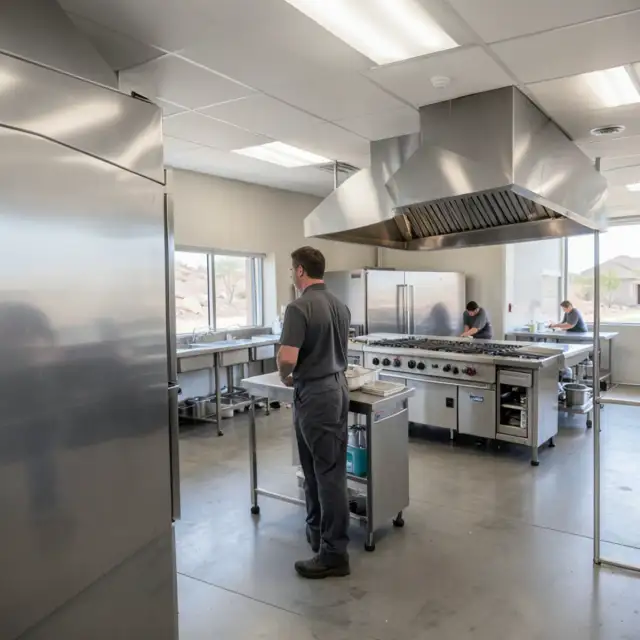
Restaurant Pest Control in Tempe, AZ
Restaurant pest control in Tempe, AZ has to cover German cockroaches, flies and rodents, fit around service hours and leave records for a county inspector. Scope depends on the kitchen, so call before booking and Kai will say whether yours is something he takes on.
- 5.0★ on Google (54 reviews)
- Family owned, owner operated
- Serving since 2022
A dining room can look spotless while a colony grows in the warm space behind the line. That is what sets kitchens apart from everyday pest control in Tempe: heat, grease and water run all day, and a county inspector can walk in during service. This page describes the problem and what a visit looks at. Restaurant work is a specialized part of the trade, so call first. Kai will tell you whether your kitchen is a fit for a one-owner operation.
What is a Tempe restaurant owner on the hook for?
Maricopa County Environmental Services permits and inspects food establishments, which work under the adopted FDA Food Code and the county Environmental Health Code. In general terms, the code expects the premises to be kept free of insects and rodents, with routine inspection and control methods when pests appear. The Food Code also says rodent bait must sit in a covered, tamper-resistant station. Three risks follow from that:
- Inspection findings. Live roaches, droppings or flies can bring violations, and the county says physical barriers may be required if pests are found in routine inspections.
- Food loss. Contaminated stock has to go, and so may a full shift of prep.
- Reputation. A single photo of a roach at a table travels fast near a campus.
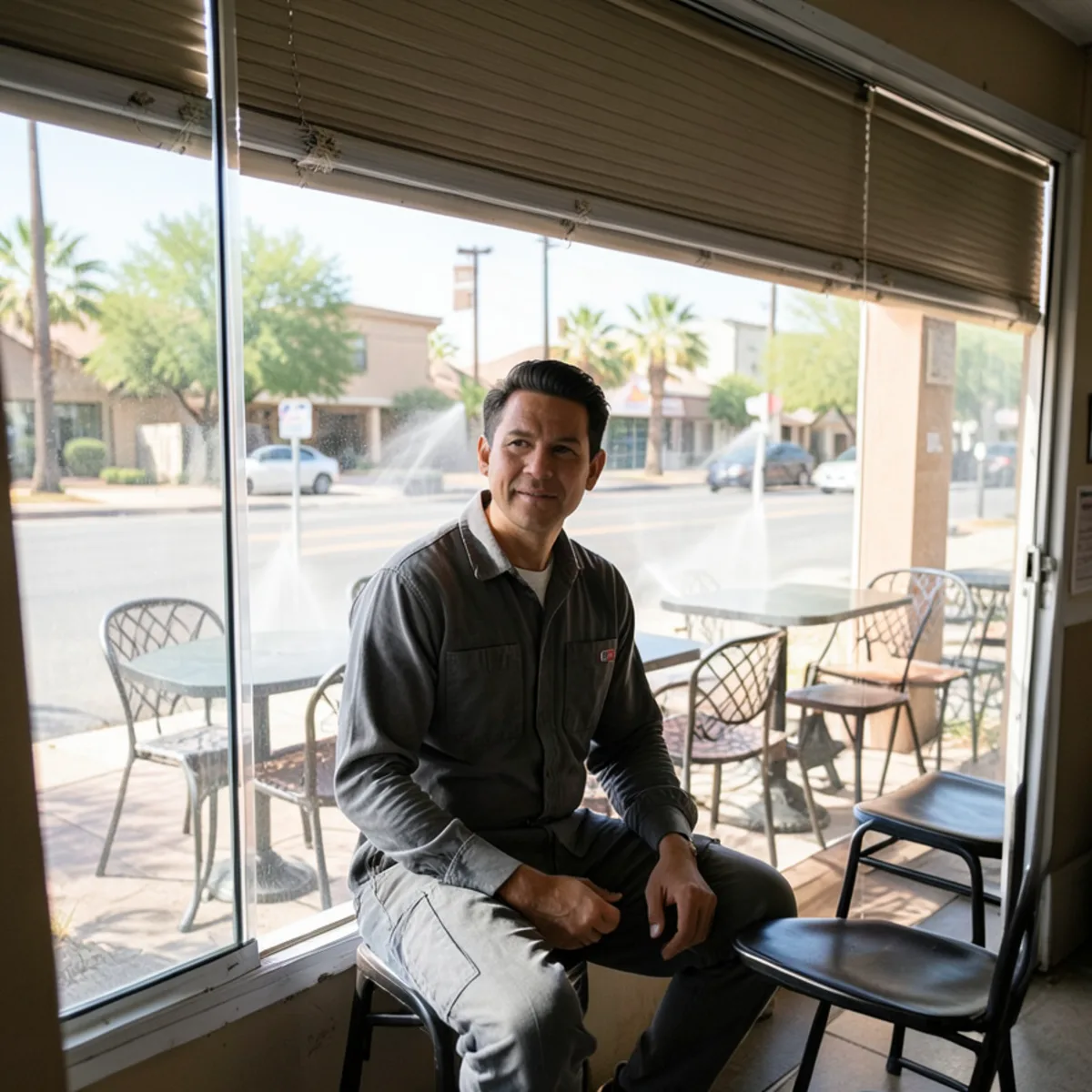
Restaurants with open doors have one more thing to watch. The county's Protection of Outer Openings guidance says open windows or doors need screens, air curtains or another approved means. That third route asks for a detailed written plan from a licensed pest control company. Roll-up windows and patio doors along Mill Avenue are the kind of feature this applies to, so read it before you prop anything open.
Restaurant pest control in Tempe, AZ: the pests that matter
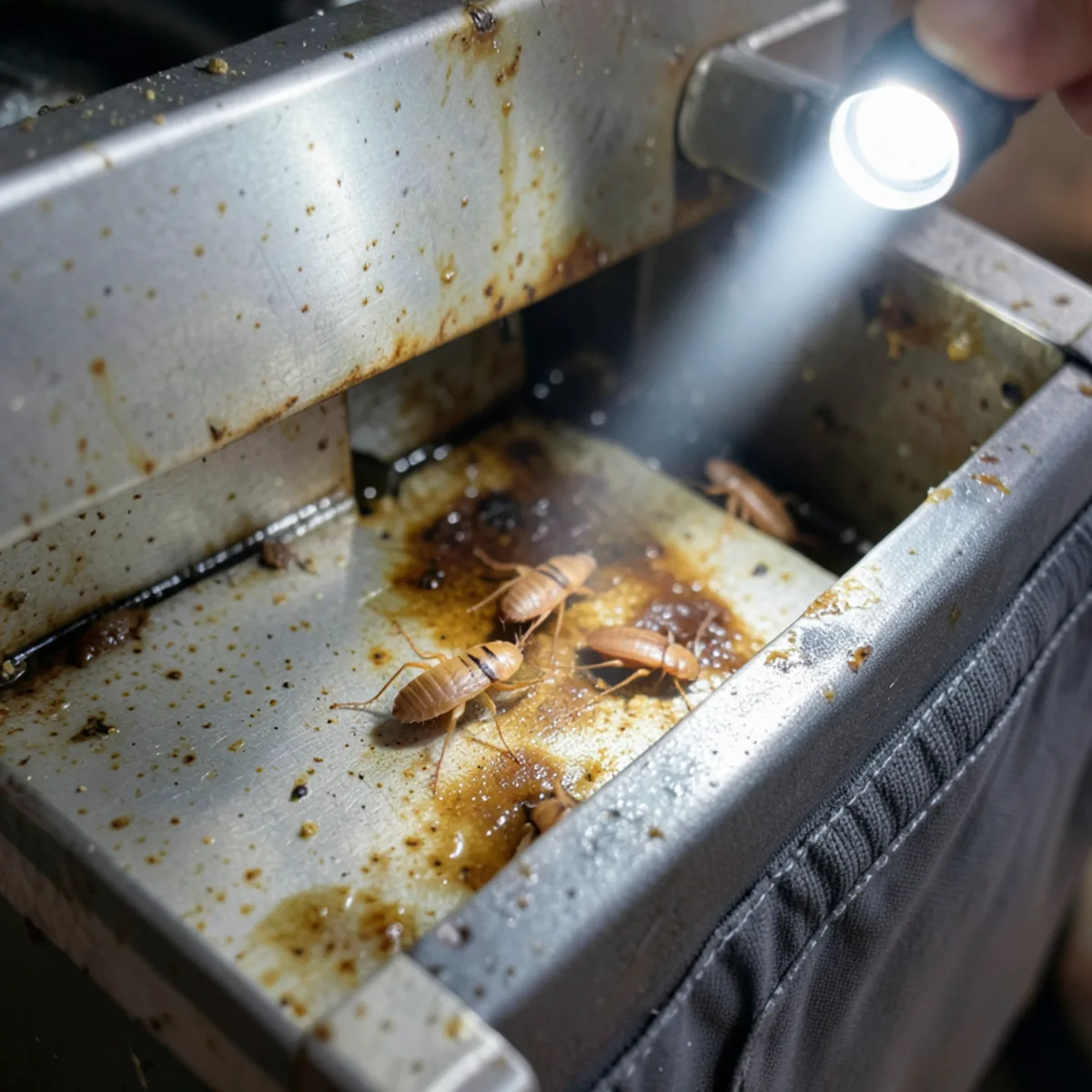
German cockroaches are the main concern. They stay indoors, shelter near heat and water and reproduce fast. Missouri Extension reports 30 to 40 young from a single egg case, so a small number soon becomes a large one. The Arizona Pest Management Center rates bait as the most effective chemical option, warns about resistance and advises more placements where sanitation is poor.
Flies come from dumpsters, grease and open doors. Small flies breed in the slime inside floor drains and bar mats, so a spray does little until the drain is scrubbed.
Rodents follow food smells from alleys and dumpsters. Smell, droppings and gnaw marks on bags in dry storage are common signs.
Ants and birds can matter too. Pigeons around patios and signs often lead to questions about bird netting.
What should a kitchen visit cover?
A useful scope, agreed before work begins, would include:
- Behind and under cook lines, fryers, reach-ins and dish machines
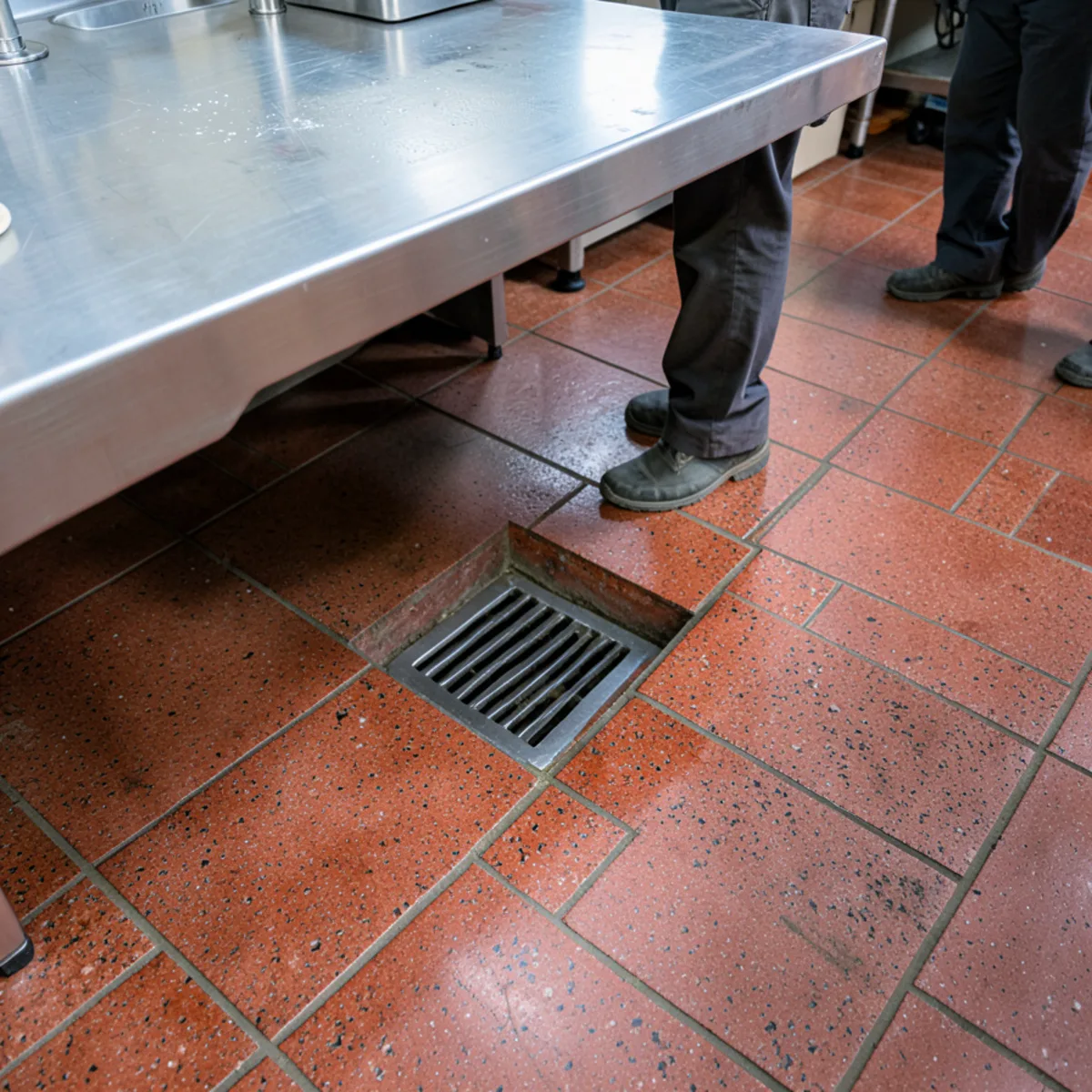
- Floor drains, mop sinks, bar wells and soda lines
- Dry storage, cardboard, deliveries and back door seals
- Dumpsters, grease containers and the alley side of the building
- Patio doors, roll-up windows and any openings to the street
- A written note of sanitation or repair items for your manager
The scope should also name who pulls equipment and who cleans behind it, because bait cannot do that work. Bars need their own line, since mats, soda lines and ice wells stay wet overnight. If you share a wall with another food business, say so, because roaches travel along shared plumbing.
How does a visit work around service?
Kai's weekday start is 6 a.m. and his Saturdays end at noon, so a visit before prep starts is the realistic window. Closed days and quiet mid-afternoons may work as well. Timing and method depend on what the label allows near food and food-contact surfaces.
- Call Kai. Describe the concept, hours, pests seen and any inspection deadlines.
- Walk the kitchen. Bring whoever closes at night, because they see the most.
- Prepare the space. Protect or remove food, utensils and single-service items as directed.
- Treat. Bait and gap work goes where roaches live, following label directions.
- Reset for service. Clean and sanitize surfaces as the label and your food safety plan require. County guidance for open-air sites requires it for outdoor tables after treatment.
- Log it. Add the date, areas and products used to your service log.
Prefer to write? Request a quote
Calling is fastest. If you are on a job or at work, leave your details and Kai will get back to you.
Which records should sit in the inspection binder?
For establishments using the county's alternative plan for open doors, service logs and receipts must stay on site for at least 6 months and go to a department representative on request. It makes sense to keep that standard even if the rule does not reach you. Your binder should hold:
- Your pest control plan, with frequency
- A log of every visit with the products used, a list home customers say they receive and you should request too
- Employee sighting logs with date, time and place
- Records of repairs and deep cleans
Rules change, so confirm current requirements with your inspector.
What drives the price for a food business?
There is no restaurant rate on this site. Expect the number to depend on:
- Kitchen size and how much equipment has to be worked around
- Current activity, because a heavy German cockroach problem takes more visits early on
- Visit frequency and hours
- Number of drains, bars and exterior openings
- Your record-keeping needs
Tempe kitchens differ widely. A campus-area bar with a patio and a roll-up window has more openings than a strip-center takeout, and a kitchen behind on deep cleaning needs more placements before numbers fall. Late closing leaves a narrow window before a 6 a.m. start, and an open inspection finding can limit the dates that work. A basement bar or a shared alley adds time as well. Ask Kai whether follow-up checks are included, and how your own deep cleaning changes the plan.
Why Kekoa for a smaller kitchen
- The person who walks the line is the person who treats it. Kai runs the business himself, so nothing gets lost between sales and service.
- Roaches are work he is reviewed for. A home customer's review describes a next-day cockroach visit. Restaurants are a different setting, so ask him about yours.
- He explains prevention. Customers say he teaches them how to avoid future issues, which is half the battle in a kitchen.
- Clean habits. A rodent customer says each catch was cleared away as he went.
- Arrival you can plan around. Reviewers report a reminder the day before and on-time visits, useful when a manager opens the back door early.
“We’ve been so impressed with our pest control service! Kai is always professional, punctual, and extremely knowledgeable. He takes time to explain what he’s doing and makes sure we understand how to prevent future issues.”
“He responds to emergency situations immediately! And the best part of working with Kai is that he is the most genuine, friendly and competent contractor we have worked with in our 18 years in Sun Lakes!”
Whoever you use, confirm their license with the Arizona Department of Agriculture lookup and keep a copy of the result in your binder, since the state requires pest management businesses to hold one.
Restaurant calls are worth making from Tempe and neighboring Phoenix, Mesa or Scottsdale. Food businesses often sit beside housing too. Upstairs units are covered under apartment pest control, and a clubhouse kitchen falls under HOA pest control. Call (209) 563-1650 before your next inspection.
5.0★ from 54 Google reviews
What customers say about restaurant pest control with Kai
“We’ve been so impressed with our pest control service! Kai is always professional, punctual, and extremely knowledgeable. He takes time to explain what he’s doing and makes sure we understand how to prevent future issues.”
“He responds to emergency situations immediately! And the best part of working with Kai is that he is the most genuine, friendly and competent contractor we have worked with in our 18 years in Sun Lakes!”
“Kai did a great job with rodent extermination at my In-Laws house. He was professional and timely with setting the traps and cleaning up after each one was captured, two in total.”
Restaurant Pest Control: common questions
How do I handle German cockroaches in a commercial kitchen?
Start with sanitation and bait, not a one-time spray. Pull equipment, degrease behind fryers and fix leaks, then place bait where roaches shelter near heat and water. Arizona Pest Management Center notes baits are the most effective chemical option but warns about resistance. A Tempe kitchen with heavy grease needs more bait placements and follow-up checks.
Can treatments be done without closing the restaurant?
Often, with planning. Bait and gap placement can usually be scheduled for closed hours or a slow morning, and label directions decide what is possible near food. Food, utensils and prep surfaces must be protected or moved. Kai starts at 6 a.m. on weekdays, so a pre-service visit may work for a lunch place. Ask him what your kitchen allows.
What pest records should I keep for a Maricopa County health inspection?
Keep service logs and receipts on site. Maricopa County's outer-openings guidance requires them for at least 6 months, and records must be provided on request, for establishments using that plan. It is a sensible standard for any Tempe kitchen. Add your pest control plan, service dates, products used, sightings and repairs, and confirm current rules with your inspector.
Do restaurants with open patios need extra pest control?
Quite possibly. Maricopa County says open windows or doors must be protected by screens, air curtains or another approved means. That last route calls for a written plan from a licensed pest control company, covering cockroaches, rodents, flies, ants, birds and more. If your Tempe patio doors stay open, read the county guidance and call your plan review contact.
What should we do between pest control visits?
Clean the places roaches feed, and write down what you see. Degrease under equipment, clear floor drains, rotate stock and break down cardboard the same day. Keep lids on dumpsters and grease containers. Log any sighting with the date, time and location, and share it at each visit. County guidance for some establishments also calls for daily exterior checks.
Where we offer this
- TempeRoll-up windows and patio doors along Mill Avenue fall under the county's guidance on open doors.
- PhoenixMaricopa County permits Phoenix kitchens too, so the same inspection binder habits apply.
- MesaOlder kitchens near the original townsite can have worn drains and thresholds worth checking first.
- ScottsdaleOld Town patios draw flies and pigeons, and resort-size kitchens may be more than one person can take on.
- GilbertHeritage District kitchens sit in the old town core, where back doors and alleys need a close look.
- ChandlerOutdoor seating near Downtown Chandler raises the same open-door questions as any county patio.
- Queen CreekPart of town lies in Pinal County, so confirm which county inspector covers your kitchen.
- Sun LakesClubhouse kitchens sit under community associations, so ask which board books the pest work.
Talk to Kai about restaurant pest control
Call first. You will reach the owner, not a call center.
Kekoa Pest Control, 2407 E Wesleyan Dr, Tempe, AZ 85282, (209) 563-1650
- 5.0★ on Google (54 reviews)
- Family owned, owner operated
- Serving since 2022