Pigeon & Bird Control in Tempe, AZ
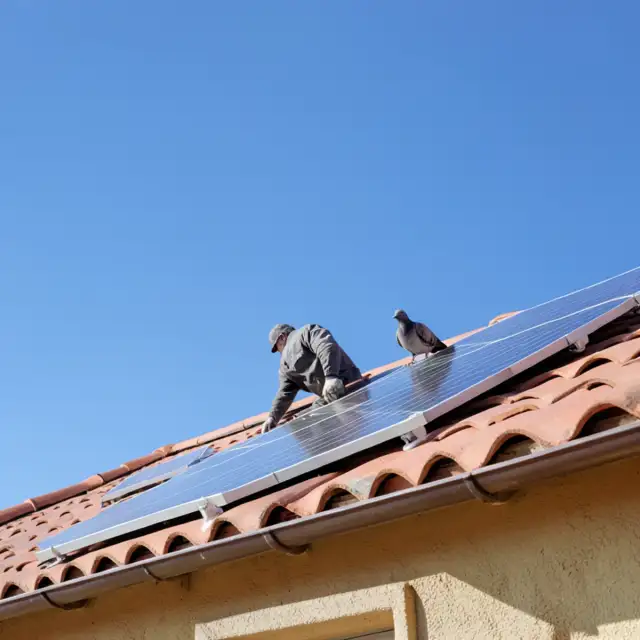
Pigeon control in Tempe, AZ starts with finding where the birds roost and nest, then closing it off so they lose the spot. What that takes depends on the property, and a phone call with Kai will settle whether he takes your job on.
- 5.0★ on Google (54 reviews)
- Family owned, owner operated
- Serving since 2022
Pigeons are a roofing, cleaning and exclusion problem more than a chemical one, which sets this apart from most pest control in Tempe. If birds have moved in under your panels or onto a storefront ledge, the first job is working out exactly where they sit, what species they are and how the site can be closed to them. Bird work depends on height, access and the building, so ring Kai first and he will say if yours is work he takes on.
Signs you have a roost, not just a visitor
One pigeon on the ridge means very little. These signs tell you the birds have settled in:
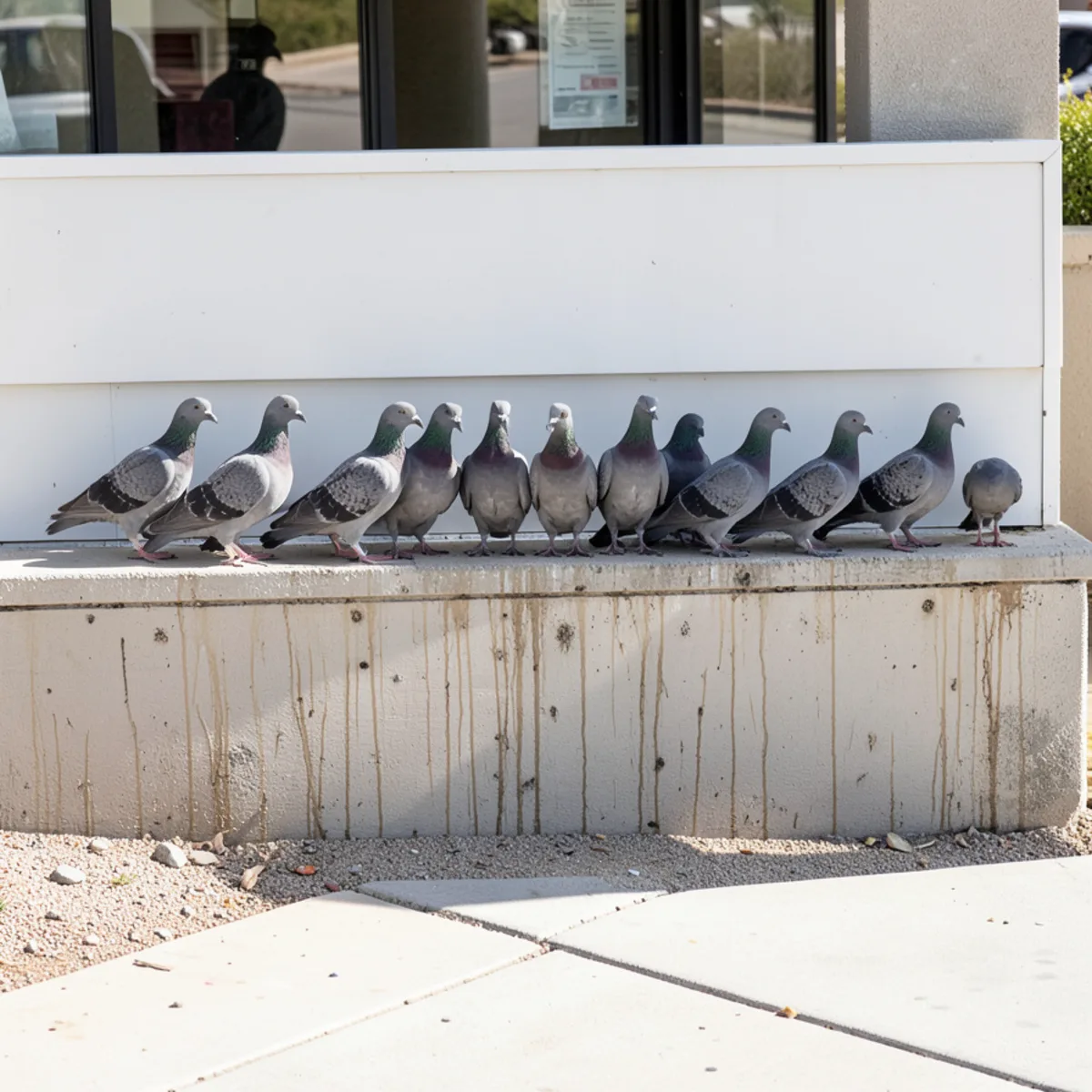
- White streaks on tile, walls, gutters or a patio below a certain spot
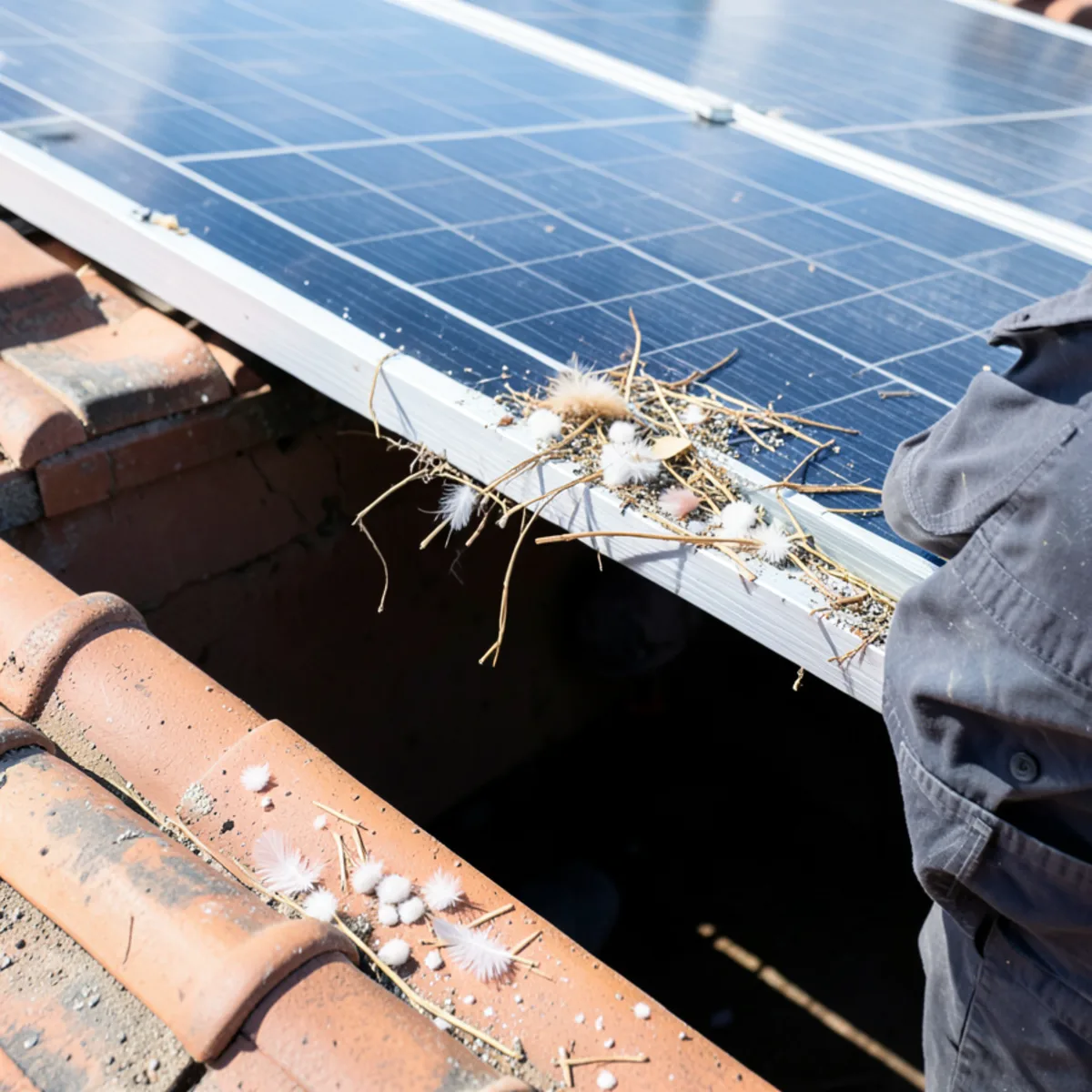
- Twigs, feathers or eggshells around the edge of a solar array
- Cooing above a ceiling or a bedroom at dawn
- Birds flying in and out of the same gap, day after day
- Clogged gutters and roof drains
- Mites or small insects near a nest, once it has been in use for a while
- A sour smell at a shaded corner of a roof or balcony
Mess is the main cost. Droppings foul walkways and patios and can stain surfaces if they sit for months. In a storefront, they land on customers' path to the door.
Why does Tempe attract so many pigeons?
City birds need three things: food, water and a sheltered ledge. Tempe supplies all three. Fast-food lots, patios and people feeding birds keep them fed. Pools, misters, drip lines and evaporative coolers give them water. The shelter is where buildings come in.
- Solar panels. The gap under a rooftop array is shaded and hidden from hawks. Rooftop solar has given pigeons a ready-made shelter on many East Valley roofs.
- Tile roofs. Open ends at the eaves and gaps around flashing can give birds room to tuck in.
- Air conditioning units and parapets. Flat-roofed strip centers and older commercial buildings have sheltered corners.
- Signs and ledges. Letters, awnings and decorative trim make ready perches over the sidewalk.
Pigeons lay about two eggs at a time and can nest through much of the year in a warm climate. They also return to the same places. A pair left alone for one season can become a regular group, so it pays to act before the roost grows.
How Kai would look at a bird problem
A phone call comes first, because plenty can be sorted out before a trip. Tell him the height of the roof, the kind of roof, where the birds sit and when it began. Photos from the ground help. If the job looks like a fit, a visit looks at these points:
- Which bird it is, and whether any active nests are present
- Every spot the birds land on, not only the obvious one
- How the array or ledge is built and what can attach to it without damage
- How much droppings cleanup is involved
- Whether ladder access is reasonable or whether special equipment is needed
Know the bird before touching a nest
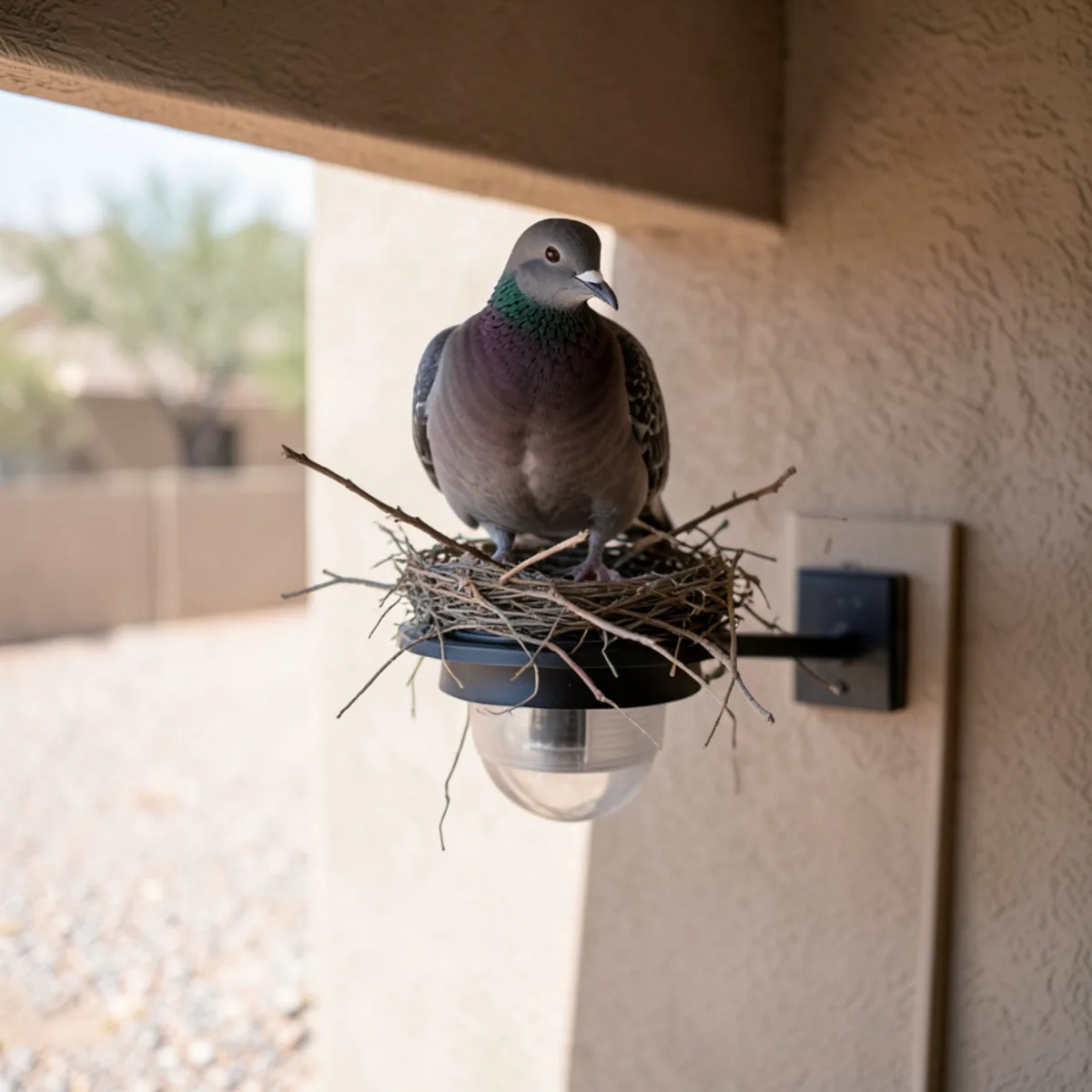
This step has legal weight. University of Arizona Extension lists rock doves (pigeons), English sparrows and European starlings as the only birds not protected in Arizona. Most other birds, nests included, fall under the federal Migratory Bird Treaty Act. Mourning doves and white-winged doves are common around Tempe homes, and they often get mistaken for pigeons. Leave a dove nest alone and call. A 2025 U.S. Fish and Wildlife Service memo says destroying an in-use nest needs federal authorization, and so does relocating any nest, in use or not. State and local rules can go further, so check before removing anything.
Pigeon control in Tempe, AZ: options and trade-offs
Physical barriers do most of the work.
| Option | Where it fits | Trade-off |
|---|---|---|
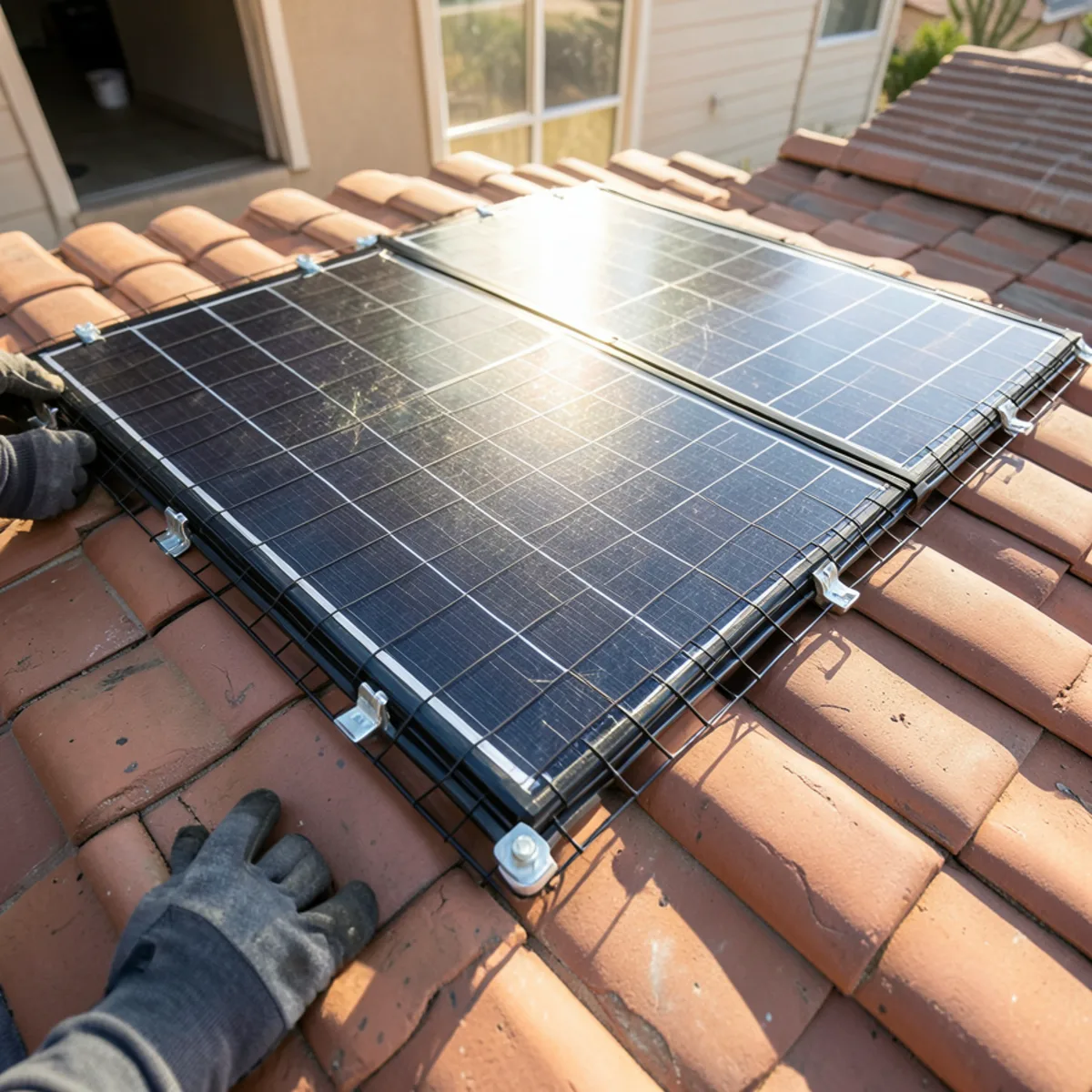
| Mesh around solar arrays | Closing the gap under panels | Needs clips made for the array. Check with your solar company first |
| Bird netting | Recesses, courtyards, parapet corners | Strong barrier, but it must stay tight and may affect looks |
| Spikes | Narrow ledges, sign tops, parapet caps | Simple, but debris can collect and wide ledges need more |
| Sloped ledge covers | Flat ledges at storefronts | Takes away the perch cleanly, at a higher cost for materials |
| Tile end closures | Open eaves on tile roofs | Must leave drainage and roof ventilation working |
| Scare devices | New landing spots only | Birds soon get used to them |
Stopping the feeding matters as much as anything on that list. Ask neighbors and staff not to put food out. A restaurant with outdoor seating has an added reason to act, as Maricopa County says bird netting may be required at some food sites. The restaurant pest control page covers that guidance.
Prefer to write? Request a quote
Calling is fastest. If you are on a job or at work, leave your details and Kai will get back to you.
What would the visit look like step by step?
If Kai takes the job on, the order generally follows this path:
- Talk it over by phone. Share the height, photos and your goal.
- Check the site. Confirm the species, roost spots and access.
- Agree on the scope. You get a clear idea of which spots are covered, what cleanup is included and what is not.
- Handle nests lawfully. Non-protected bird nests are removed, and protected birds are left to the rules that apply.
- Clean with dust in mind. NIOSH warns against dry sweeping or shoveling droppings and advises spraying them carefully to cut airborne dust. It says large piles should go to professional cleanup companies.
- Install the barrier. Any mesh, netting or spikes go on after the surface is clean, then you see what was done and what to watch for.
How long does it take the birds to give up?
Pigeons that have used a site for a long time will keep landing nearby for days or even weeks, looking for a way back in. Watch for birds getting past the barrier, which matters more than birds sitting on a neighboring roof.
Look over mesh and netting at least once a year, particularly after monsoon winds. A loose corner invites them back.
What sets the cost of bird work?
This is priced by the job, and no rate is published here. These are the main factors:
- Roof height, pitch and whether the job can be done from a ladder
- Length of the array edge or ledge to be protected
- Material chosen, such as mesh, netting or spikes
- How much droppings and nest material needs to come off
- Number of nests and whether a return trip is needed
In Tempe, tile and solar drive much of the variation. A two-story tile roof takes more time to reach than a single-story ranch, and mesh on an array depends on how the panels were mounted. Ask whether the price covers a return look once the birds test the barrier.
For a storefront or a strip center, property ownership also matters, because a landlord may control the roof. Commercial pest control is the place to read about that side of it.
What stops pigeons from returning for good?
A few habits help:
- Fix dripping coolers, misters and gutters that provide water
- Keep gutters clear and watch for new droppings on walkways
- Act at the first sign of birds at a new spot, before a nest appears
- Ask your solar company about bird protection whenever panels are added or serviced
Why Kekoa for a bird question
- You get a straight answer first. "No sales gimmick" is how the Google description puts it, and an out-of-scope job gets an honest no by phone.
- The owner comes himself. Family owned and owner operated, with Kai at the property.
- He explains the problem. Customers say he walks them through the work and the steps that avoid trouble later.
- Cleanup is part of how reviewers describe him. One customer reports he cleaned up after each catch on a rodent job.
- On-time arrivals. Customers mention them often, which helps when a roof job needs someone home.
“We’ve been so impressed with our pest control service! Kai is always professional, punctual, and extremely knowledgeable. He takes time to explain what he’s doing and makes sure we understand how to prevent future issues.”
“When we moved into our home, we had a scorpion infestation.These guys knocked it out in no time haven't seen a scorpion since! (With regular monthly service)”
From Tempe, Kai can talk through bird problems at homes and small shops in nearby areas such as Mesa, Scottsdale and Chandler. Call (209) 563-1650 with a photo of the spot ready.
5.0★ from 54 Google reviews
What customers say about pigeon & bird control with Kai
“We’ve been so impressed with our pest control service! Kai is always professional, punctual, and extremely knowledgeable. He takes time to explain what he’s doing and makes sure we understand how to prevent future issues.”
“When we moved into our home, we had a scorpion infestation.These guys knocked it out in no time haven't seen a scorpion since! (With regular monthly service)”
“He responds to emergency situations immediately! And the best part of working with Kai is that he is the most genuine, friendly and competent contractor we have worked with in our 18 years in Sun Lakes!”
Pigeon & Bird Control: common questions
Why do pigeons nest under solar panels in Tempe?
The gap under a panel gives them shade, shelter from wind and cover from hawks. Rooftop arrays in Tempe also stay out of reach of cats and people, and the roof below offers a flat place to build. Once a pair settles, they tend to keep coming back, so the area collects droppings, sticks and feathers until something closes the gap.
What is the careful way to clean up pigeon droppings?
Keep the dust down. CDC's workplace safety institute, NIOSH, advises against dry sweeping or shoveling bird droppings and says to spray them carefully first. Its worker guidance also calls for a NIOSH-approved respirator, gloves and eye protection, and it says large accumulations should go to professional cleanup companies. Ask Kai whether your Tempe job is small enough for him to handle.
What keeps pigeons from coming back?
Physical changes to the site keep them away. Mesh around a solar array, netting across a recess and spikes on a narrow ledge all take away the place they want to be. Cleaning matters too, because droppings and old nests mark the spot. Stopping all feeding nearby helps, since a steady food source gives the flock a reason to stay in the area.
Are pigeons protected in Arizona?
University of Arizona Extension says rock doves, the common pigeon, are among the few birds not protected in Arizona, along with English sparrows and European starlings. Most other birds, including mourning and white-winged doves, are. Their nests are covered as well under the federal Migratory Bird Treaty Act, so identify the bird before anyone touches a nest. Local rules can still apply.
Will fake owls or shiny tape work on pigeons?
Usually not for long. Pigeons in a Tempe neighborhood are used to people, traffic and moving objects, and they soon learn that a plastic owl never moves. These items may buy a little time on a spot the birds have only just found. On an established roost, it is better to spend the money on a physical barrier.
Do you handle storefronts as well as houses?
Ask Kai, because that depends on the building. A one-story shop with a sign ledge is a different job from a parking structure or a tall facade that calls for a lift. Describe the height, where the birds sit and who owns the building. He will tell you on the phone whether it is something he takes on.
Where we offer this
- TempeRestaurant patios near Mill Avenue feed pigeons, and the roof edges above give them a ledge.
- MesaOlder roofs near the original townsite can have worn tile ends and gaps that birds tuck into.
- ScottsdaleOld Town condo balconies and resort ledges give birds shaded spots above busy walkways.
- ChandlerOcotillo's lakes put open water close to rooftop perches, so watch for a new roost early.
- GilbertRecharge basins at the Riparian Preserve draw wild birds, so confirm the species before touching a nest.
- PhoenixMature Arcadia citrus can host doves that get mistaken for pigeons, so identify the bird first.
- Sun LakesPatio covers and golf cart garages can hold dove nests, so call before clearing one.
- Queen CreekNew roofs beside farm fields can draw birds feeding nearby, so watch rooftop panels from the start.
Talk to Kai about pigeon & bird control
Call first. You will reach the owner, not a call center.
Kekoa Pest Control, 2407 E Wesleyan Dr, Tempe, AZ 85282, (209) 563-1650
- 5.0★ on Google (54 reviews)
- Family owned, owner operated
- Serving since 2022