
Africanized Bee Removal in Tempe, AZ
Africanized bee removal in Arizona is a job for a professional, because every wild colony here is treated as Africanized to some extent. If bees are stinging or chasing someone, get indoors and call 911. If a colony is acting defensive near your Tempe home, stay away from it and call (209) 563-1650.
- 5.0★ on Google (54 reviews)
- Family owned, owner operated
- Serving since 2022
If you are here on your phone with bees around you, read the next section and move. Everything else on this page can wait. For the wider picture of swarms, hives and wasps, see Kekoa's bee and wasp removal page.
What Should You Do if Bees Start Chasing You?
This is University of Arizona Cooperative Extension's advice, from its publication on wild honey bees:
- Do not swat or flap. Extension calls that the worst thing to do, since bees are sensitive to movement in their alarm zone. Maricopa County adds that a crushed bee gives off an odor that draws more attackers.
- Cover your face and head with your hands or clothing, looking through the gaps in your fingers. Pull a shirt up if that is all you have.
- Get to the nearest building or car, go inside and close the doors. Extension says bees will find any opening, so shut everything you can.
- No shelter close by? Keep going. Extension says to run or walk briskly at least 240 yards, or as far as you can, until the bees give up.
- Stay out of the pool. Bees will wait for you to come up.
- If you cannot move, crouch down, protect your head and face, and stay as still and calm as you can.
Once you are away, call 911 for anyone being attacked or having a serious reaction. Do not go back in after someone. Tell them to run, and call for help.
What Africanized Bee Removal Covers
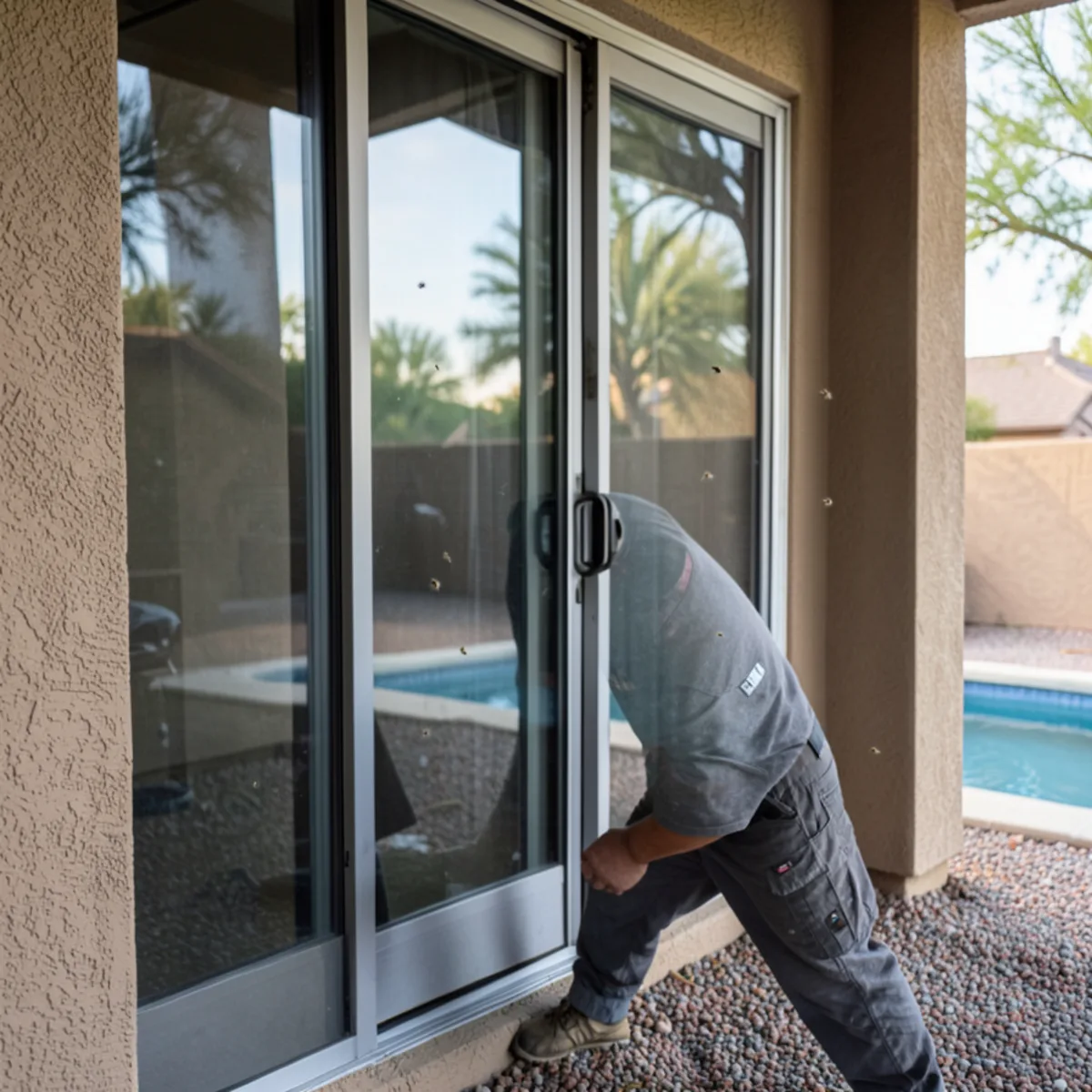
Nobody can read a colony's genetics by eye, so this job treats any wild colony acting defensive as the real thing. Risk to people drives the scope:
- A read on who is in range, including neighbors who share a wall or side yard.
- The entry point and flight path traced from a distance.
- Timing chosen to suit the location and the people around it.
- Treatment or removal of the colony in protective gear, by the label.
- Comb and cavity dealt with as far as the structure allows.
- A plain list of what still needs sealing or repair.
Wall, stucco and roof repairs may need another trade. A swarm that is only resting is a simpler job, covered under bee removal in Tempe.
Africanized Bee Removal in Arizona: What the Name Means
Africanized bees are hybrids of the western honey bee and African subspecies, first seen in Arizona in 1993. Extension says all wild honey bees here are Africanized to some extent, and it treats any wild colony that way. That is why a pest professional in the Valley does not need a lab result to take a colony seriously.
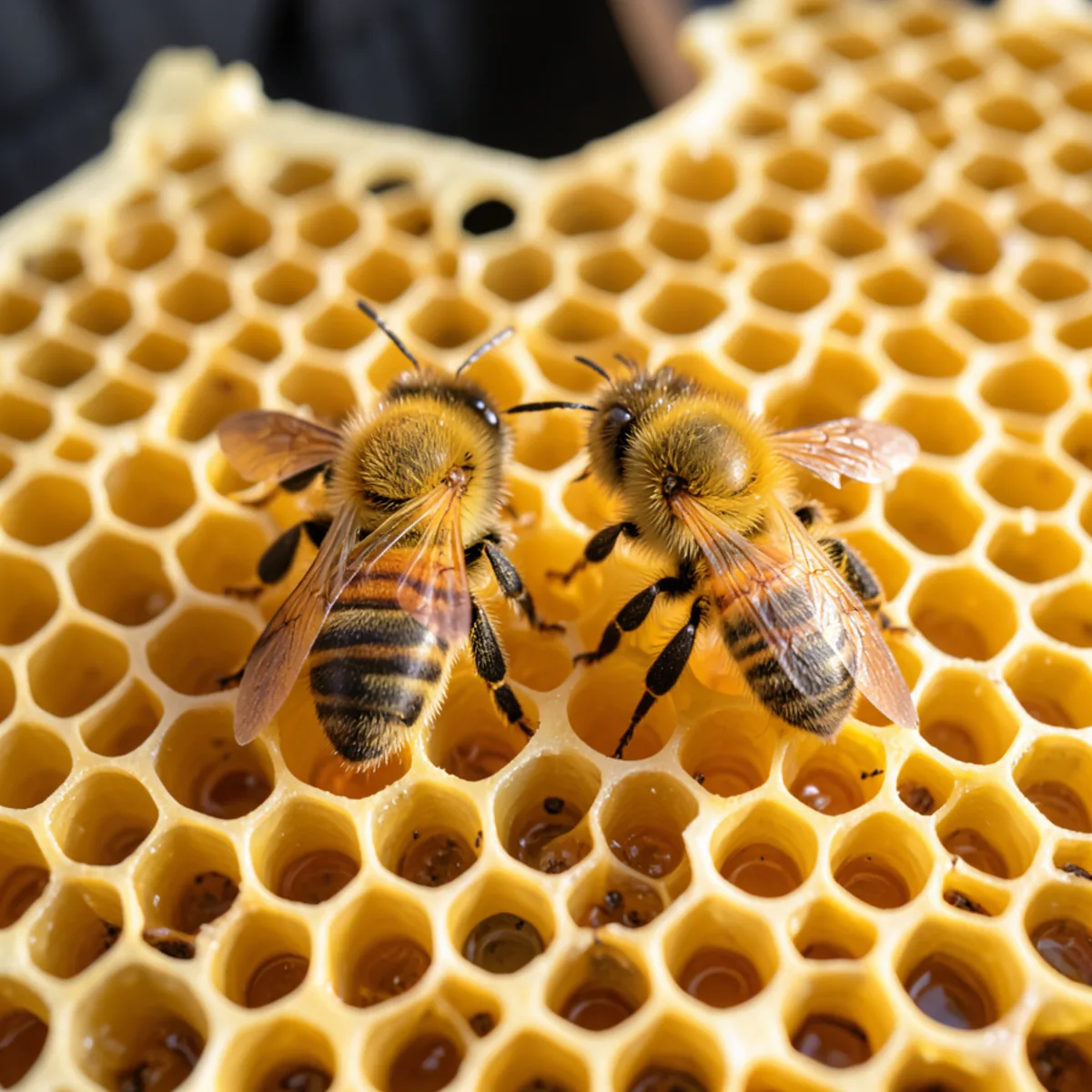
Looks will not help. The two bees are close to identical, and the only sure test is genetic.
Killer Bees in Arizona: What the Term Gets Wrong
Extension calls "killer bee" inaccurate, and it is. A single Africanized bee stings only once, like any honey bee. The risk is in the numbers and the speed. According to Extension, these colonies may have:
- A larger alarm zone around the nest.
- A faster defense, in larger numbers.
- A habit of chasing perceived threats over longer distances, more than a quarter mile in reports from Extension.
- Less predictable behavior, with more swarming and whole-colony moves.
While foraging, they are usually not aggressive. Extension traces most attacks to someone disturbing the hive, often with a lawn mower, weed eater, tractor or other power equipment. Being too close can be enough, which is why the people at most risk are those working outdoors.
Where Do Defensive Colonies Turn Up Around East Valley Homes?
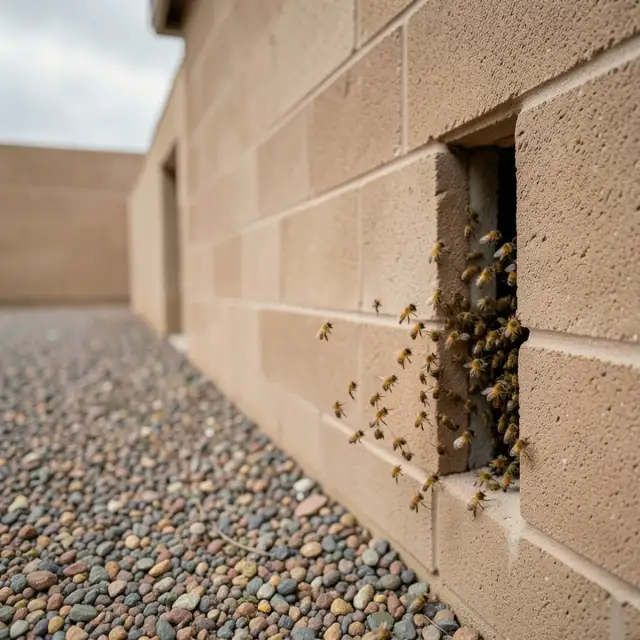
The same spots any wild colony picks, in places people use daily: block walls, attics, wall voids, in-ground boxes in the front yard, sheds, overturned pots, and old furniture in a side yard. A colony by a gate, pool equipment pad or play set is the kind that gets stumbled into.
Trouble usually starts with a change near the nest: new landscaping work, a hose on the wall, a dog digging, a child's ball. Water, vibration, blowing dust and petroleum smells all count as threats to a colony. Maricopa County's bee brochure says vibrations up to 100 feet away may threaten one, which puts a neighbor's trimmer in range. If bees have started bumping you near one part of the yard, that is the preliminary warning Extension describes. Take it seriously and stop using that area.
Prefer to write? Request a quote
Calling is fastest. If you are on a job or at work, leave your details and Kai will get back to you.
How Kai Handles a Defensive Colony
A defensive colony changes how a job is planned, more than what is done. Your part is to keep everyone indoors and away, and tell neighbors who share the wall or side yard.
- Phone assessment. Kai asks where the bees are, how they have acted, and who is around them.
- Site check from a distance. He looks for the entry point, flight path and nearby doors, gates and pets.
- Plan and timing. Options are explained, including the access required and the time of day that suits the location.
- Protective gear on. Kai then treats or removes the colony, working to the product label.
- Follow-up on the cavity. Comb and the void are dealt with as far as the structure allows, because Extension warns that an uncleaned space gets recolonized.
- Walk-through. You hear what was done, what to watch for, and what needs sealing.
The method carries real trade-offs. Treating a colony quickly reduces the danger soonest but can leave comb behind. Opening a wall to clear comb is more complete, but it means more disturbance around a defensive colony and a repair afterward. Kekoa does not promise live relocation, and with a defensive colony near people, stopping the hazard comes first. Colonies that stay in a wall also stay a hazard, so waiting is rarely the cheap option it looks like.
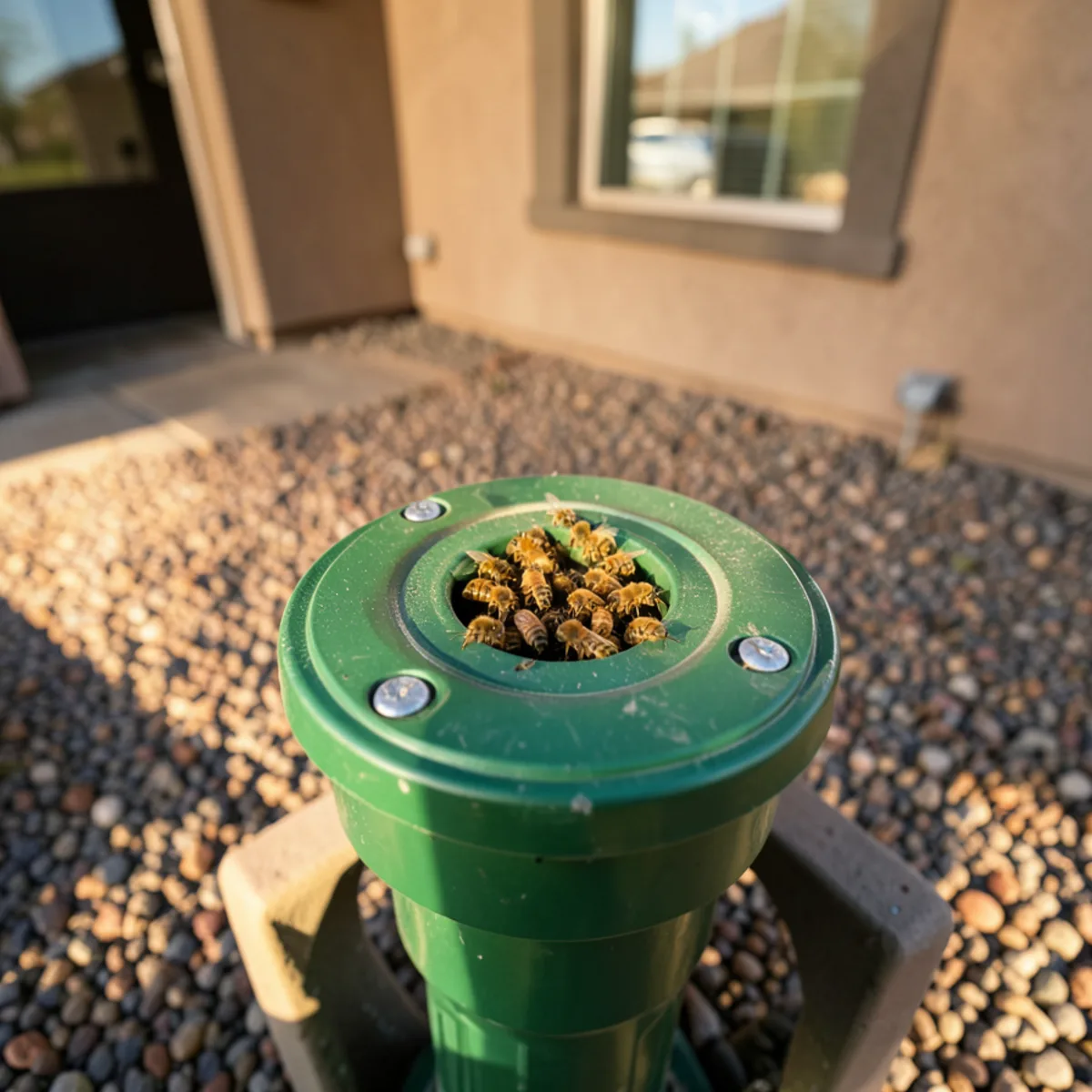
If your bees are in a box in the ground, meter box bee removal has who-to-call details, including Mesa's number. If the insects turn out to be yellow and smooth, see wasp and hornet control.
What Changes the Price of an Aggressive Bee Job
There is no standard price, so nobody can quote you honestly without knowing the location. Expect it to turn on:
- How close the colony sits to doors, neighbors and foot traffic.
- How high or deep the comb is, and how much access it needs.
- The size of the colony.
- Whether the cavity needs opening, cleaning and sealing.
- Whether nearby people or pets limit when the work can happen.
In Tempe, access usually moves the number most. A colony in a block wall along a shared side yard means working around a neighbor's schedule too. A job beside a pool gate or a busy sidewalk may need quieter hours, which narrows the window. Bees that were recently provoked may also need time to settle first. Kai can narrow things down by phone, but he needs the exact location and what set the bees off.
Who Steps In When a Colony Is a Public Hazard?
Most defensive colonies stay a private matter. Mesa's bee page cites A.R.S. 36-601 as giving Maricopa County Vector Control authority to destroy a wild hive or swarm that poses a health hazard, and it lists 602-506-6616 for public safety hazards. Mesa adds that swarms near daycares, schools or dense housing may need removal if they stay too long or turn aggressive. The county's department is not an emergency responder, so an attack stays a 911 call. If the colony is on a neighbor's land, tell the neighbor and the county. Do not go near it yourself.
Why Kekoa for a Defensive Colony
- One accountable person. Kai is the owner and does the work himself.
- Quick response on record. A Sun Lakes reviewer says he responds to emergency situations immediately. That is one report, not a promise, so ask when you call how soon he can come.
- Plain explanations. Customers mention being told what is happening and how to avoid a repeat.
- Rated 5.0 on Google across 54 reviews when last checked on November 2, 2026.
- No pressure. Kekoa's listing says "No sales gimmick", so a swarm that only needs leaving alone gets described that way.
Whoever you hire, check for an Arizona pest management license, which A.A.C. R3-8-201 calls for. The Arizona Department of Agriculture offers a search at opm.azda.gov/PCBusSearch.php.
Kai serves Tempe and the surrounding East Valley, including Chandler, Mesa and Sun Lakes.
5.0★ from 54 Google reviews
What customers say about africanized bee removal with Kai
“He responds to emergency situations immediately! And the best part of working with Kai is that he is the most genuine, friendly and competent contractor we have worked with in our 18 years in Sun Lakes!”
“I was experiencing cockroaches in my new home and they were here the next day. Very professional and quick service”
“We have had monthly pest control services which have kept the scorpions and other bugs away, as well as mice and hornet abatement on a few occasions.”
Africanized Bee Removal: common questions
How do I know whether bees are Africanized?
You cannot tell by looking, and neither can anyone else. University of Arizona Extension says only genetic testing reveals the lineage of a colony, and it considers all wild honey bees in Arizona Africanized to some extent. Behavior is the practical test. Bees that bump you, follow you or come out in numbers near one spot should be treated as defensive.
How far will Africanized bees chase a person?
Far enough that you should not stop early. University of Arizona Extension says they have followed people more than a quarter mile, and it advises going at least 240 yards, the length of two football fields, if there is no shelter. A closed building or car ends the chase much sooner, so head there first if one is close.
When should I call 911 instead of a pest company?
Call 911 when bees are actively stinging or swarming on someone, or when a person stung has trouble breathing, swelling or any severe reaction. The City of Mesa lists 911 for aggressive bees in attack mode. Poison Help at 1-800-222-1222 takes sting questions. Call Kekoa once everyone is safe and the bees are still at the property.
Should I jump in the pool to escape bees?
No, stay out of the water. Extension warns against diving into a swimming pool or river, because the bees will wait longer than you can hold your breath. That matters in Tempe, where a backyard pool is the first thing many people would think of. Run for the house or a car instead, cover your face, and close the door behind you.
Are Africanized bees more dangerous in some weather?
Their mood does shift. Extension says honey bees are generally more irritable on cloudy, overcast days and on cool mornings if disturbed before they are warm enough to fly. Monsoon-season overcast and early yard work both fit that description. If you have noticed bees at a wall or box, keep landscaping work away from that spot whatever the weather.
Where we offer this
- TempeBackyard pools are common here, and Extension says a pool is no escape from a chasing colony.
- ChandlerBoundary walls along the Gila River Indian Community back onto open desert, so yard work can reach an unseen colony.
- MesaThe city's bee page sends aggressive, swarming bees straight to 911, not to a non-emergency line.
- Sun LakesMost residents are 65 or older, so a defensive colony near a patio deserves a prompt call.
- GilbertMowers and trimmers on canal-side and turf lots are the equipment Extension links to most attacks.
- PhoenixAhwatukee lots against South Mountain back onto open rock, where a colony in a wall is easy to stumble into.
- ScottsdaleBack walls along the McDowell Sonoran Preserve meet open desert, so a colony may sit just past the fence.
- Gold CanyonHomes along US 60 sit against Superstition rock, and about a quarter stood vacant in 2020, so colonies go unnoticed.
Talk to Kai about africanized bee removal
Call first. You will reach the owner, not a call center.
Kekoa Pest Control, 2407 E Wesleyan Dr, Tempe, AZ 85282, (209) 563-1650
- 5.0★ on Google (54 reviews)
- Family owned, owner operated
- Serving since 2022